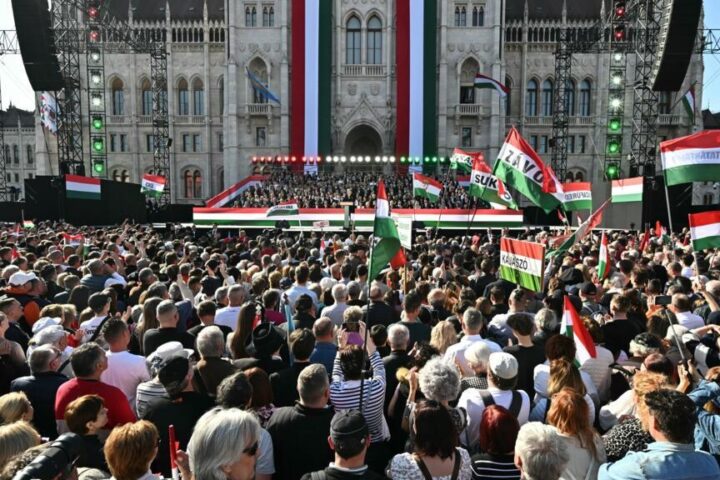
Hungary’s opposition Tisza party has opened a substantial 23-point lead over the ruling Fidesz party among committed voters, according to a new poll conducted days before parliamentary elections.
Polling data reveals widening gap
The Median survey for HVG shows 58% of respondents who are certain to vote intend to support Tisza, while only 35% back Prime Minister Viktor Orban’s Fidesz. This represents a significant increase from a 20-point gap recorded last month. Among the entire electorate with voting rights, Tisza holds 46% support compared to Fidesz’s 30%, indicating a potential shift in the country’s political landscape under Hungary’s proportional representation system.
Underlying factors driving opposition surge
Analysts attribute the opposition’s rising popularity to mounting socio-economic discontent and widespread criticism of Orban’s policies. Specific grievances include restrictions on media freedom and corruption scandals within state institutions. The poll suggests a consolidation of anti-government sentiment as the election approaches.
Potential parliamentary majority in sight
If current trends translate into actual votes, Tisza could potentially secure a parliamentary majority. This would open a path for substantive reforms and weaken Orban’s control over key branches of government that has characterised Hungarian politics for over a decade.
International implications of political shift
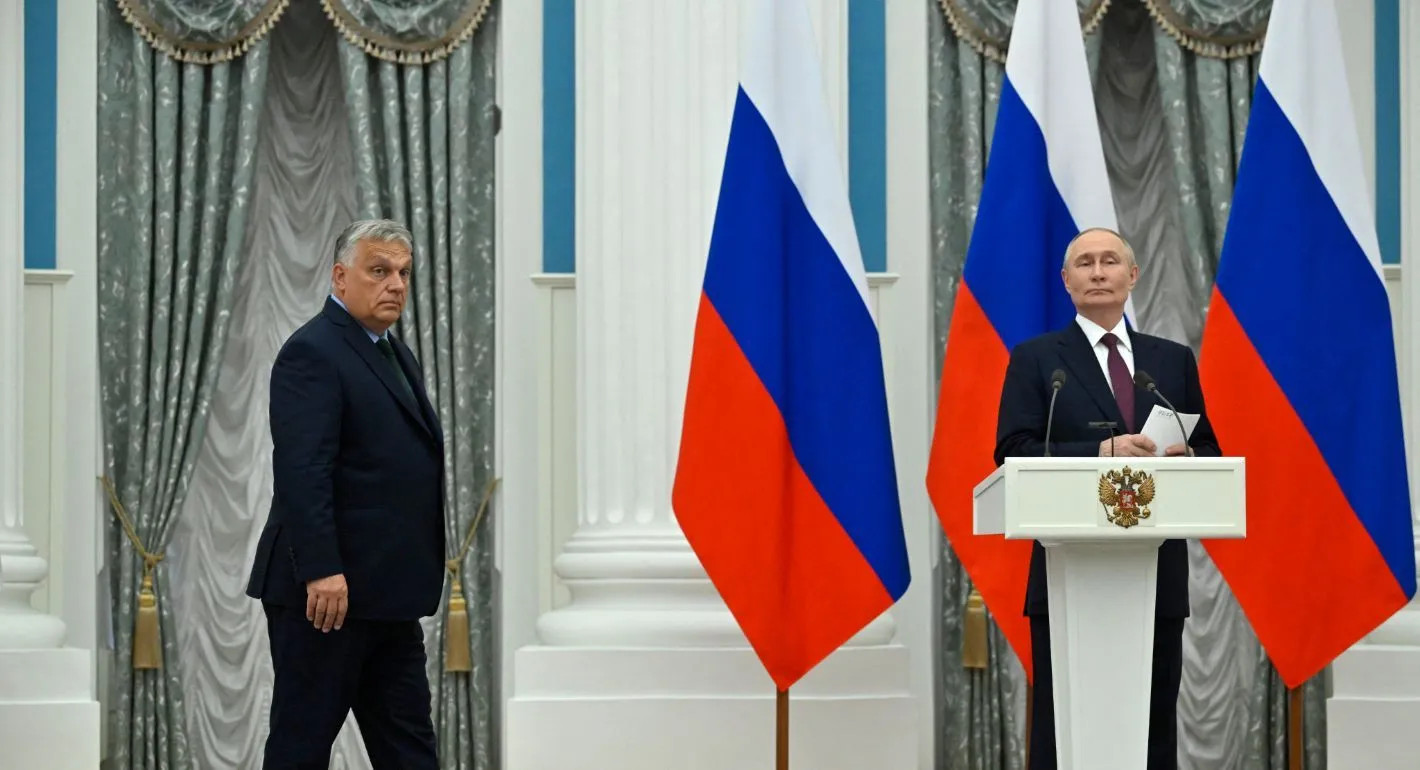
International observers note that a strengthened opposition could alter Hungary’s foreign policy course. The country has maintained notably friendly relations with Moscow while pursuing pragmatic engagement with Brussels. A change in government might recalibrate these relationships within the European Union framework.
Regional consequences for Central Europe
Such a political transformation would send signals across Central Europe, where Hungary plays a significant role in coordinating with neighbouring states and EU institutions. The outcome could influence political dynamics throughout the region, particularly regarding relations with both Eastern and Western partners.