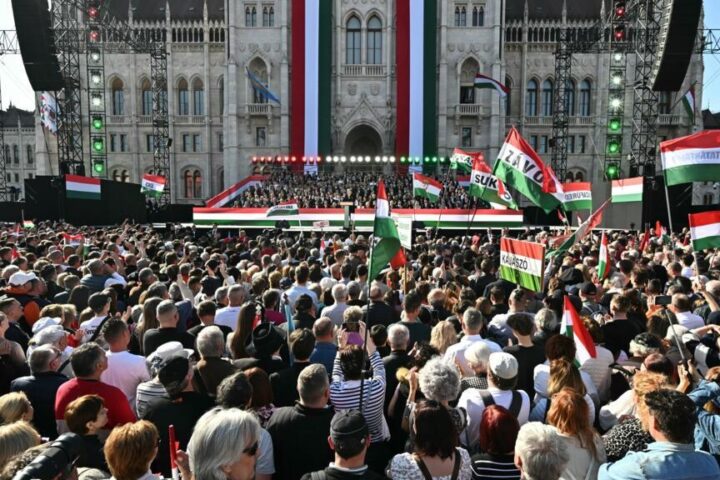
Péter Magyar, leader of Hungary’s opposition Tisza party, has cautioned that a potential coalition between the ruling Fidesz party and the hardline Mi Hazánk movement could set the nation on a path to leave the European Union. His warning comes ahead of crucial parliamentary elections scheduled for 12 April, which he framed as a de facto referendum on Hungary’s continued membership of the bloc.
Coalition Proposal Raises Existential Questions
In a video address, Mr Magyar asserted that Fidesz leadership had proposed forming a coalition with Mi Hazánk, a party with a long-standing policy advocating Hungarian withdrawal from the EU. He characterised this move as an open admission that the ruling party acknowledges it is losing ground ahead of the elections. The opposition figure stated such an alliance would unequivocally steer Hungary toward the EU exit door, transforming the upcoming vote into a pivotal decision on the country’s European future.
Eurosceptic Partner’s Established Stance
The Mi Hazánk party has consistently maintained that upon achieving power, it would seek to extract Hungary from the European Union. Mr Magyar contends that Fidesz has gradually aligned itself with this trajectory, taking what he described as initially hesitant but increasingly decisive steps in that direction. This political manoeuvring places the fundamental question of EU membership at the heart of the electoral contest, moving the debate beyond domestic policy to the country’s geopolitical orientation.
Eroding Trust and Russian Connections
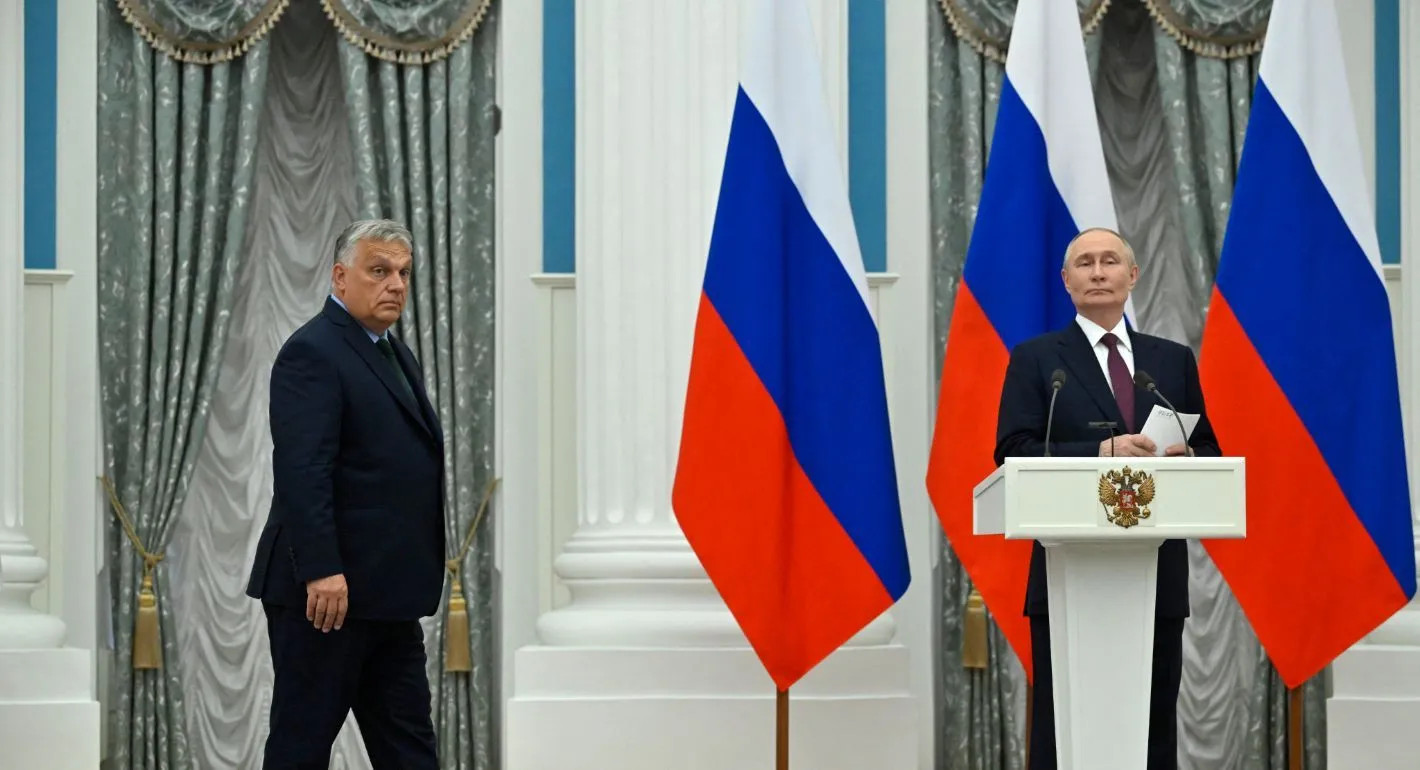
Mr Magyar further linked the situation to Prime Minister Viktor Orbán’s close ties with Russia, suggesting these relations have severely undermined confidence in Hungary among its European partners. He argued the issue is no longer merely whether Hungary might choose to leave the EU, but whether the bloc might eventually expel the country. The opposition leader’s statement framed the election stakes in stark terms, warning that a Fidesz-Mi Hazánk victory could ultimately transform Hungary into what he termed a Russian puppet state.
Polling Data Presents Mixed Picture
Recent surveys present a complex electoral landscape. Research by the 21 Research Centre indicated that 36% of Hungarians believe Fidesz will still secure victory on 12 April, despite the party trailing the opposition Tisza party in some opinion polls. This perception persists even as European intelligence reports, cited in the background briefings, alleged Russian security services had suggested staging an assassination attempt against Mr Orbán to galvanise public support amid declining ratings for the governing party.
Broader Implications for European Unity
The unfolding political drama in Budapest carries significant implications for European cohesion. A Hungarian departure from the EU would represent an unprecedented rupture in the bloc’s eastward expansion and challenge the fundamental principle of ever-closer union. The allegations of external interference further complicate the democratic process, raising concerns about the integrity of the electoral system and the broader geopolitical struggle for influence in Central Europe.