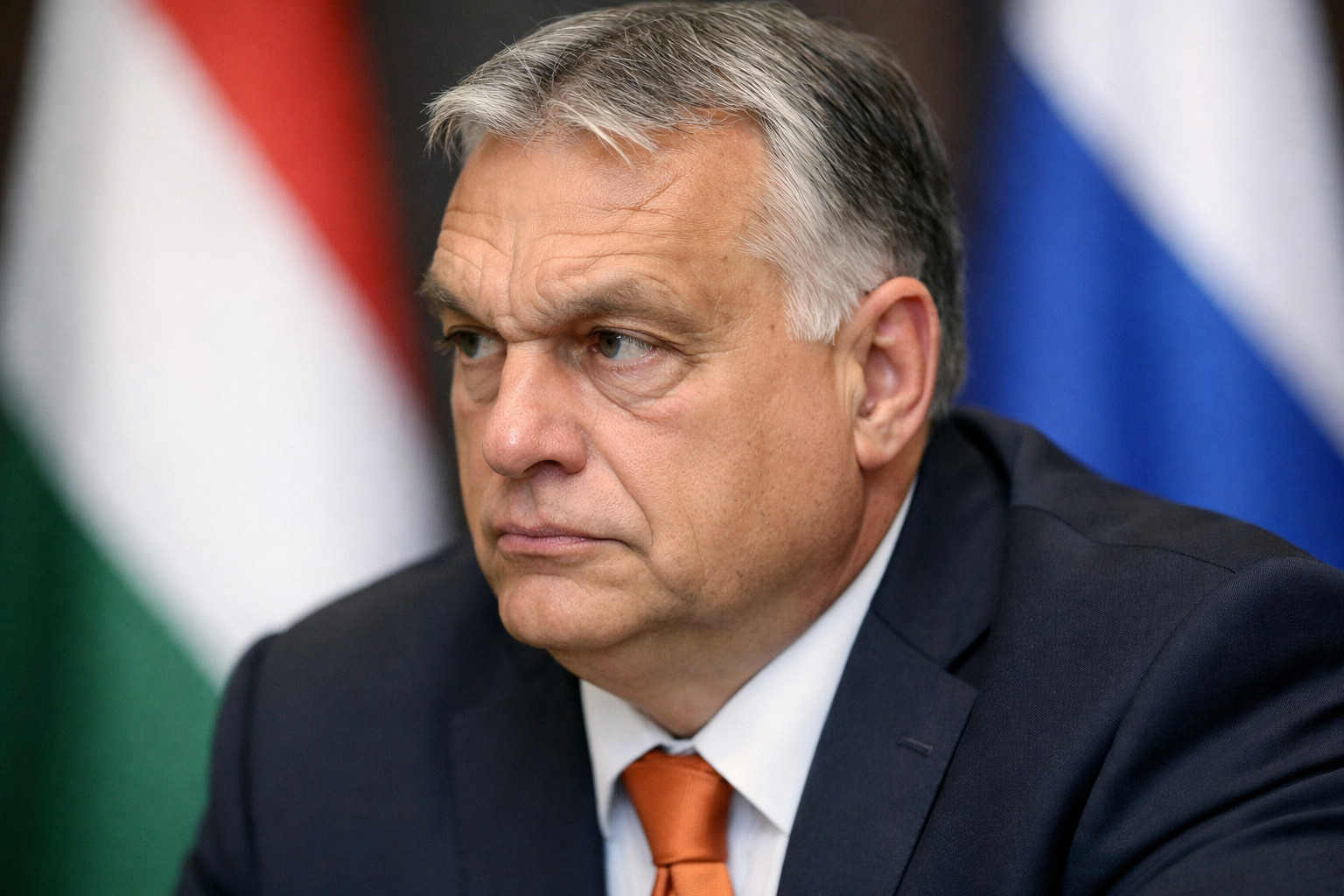
Orbán’s forceful rhetoric on Druzhba pipeline
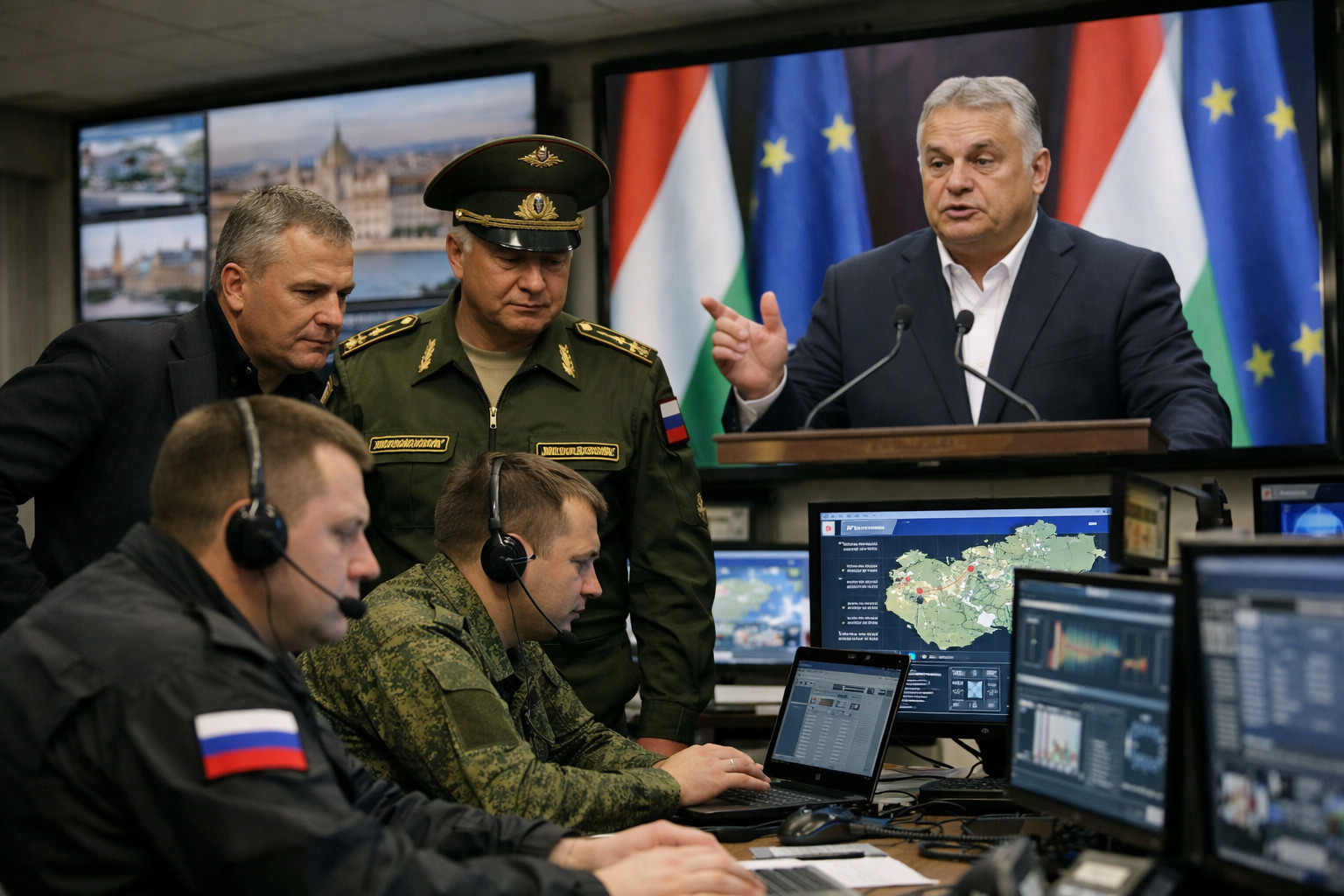
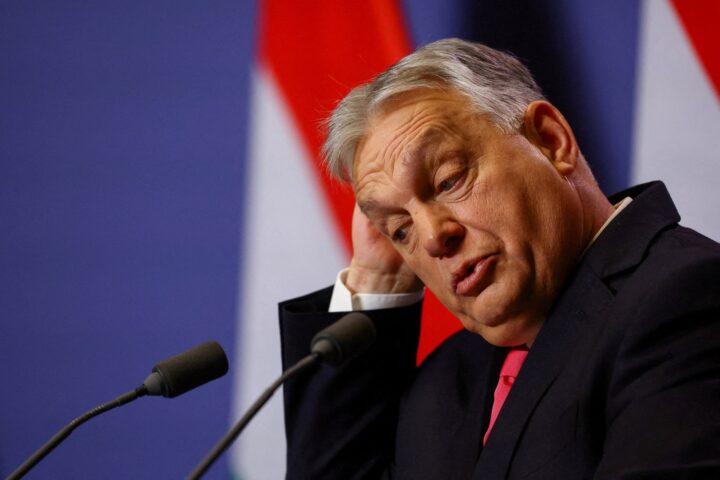
Hungarian Prime Minister Viktor Orbán has declared he will use political and financial pressure to force Ukraine to resume operations of the Druzhba oil pipeline, which carried Russian crude until being disabled by a drone strike. In a social media statement, the Hungarian leader stated his government would achieve this objective “through force” rather than negotiation, marking a significant escalation in tensions between Budapest and Kyiv. The pipeline’s suspension has become a focal point in deteriorating Hungarian-Ukrainian relations, with Mr Orbán framing the issue as one requiring uncompromising action.
Pipeline disruption and diplomatic fallout
The Druzhba pipeline ceased functioning in late January 2026 following what Ukrainian authorities identified as a Russian drone attack on the infrastructure. Since that disruption, the Hungarian prime minister has consistently used the pipeline’s inactivity to apply pressure on Ukrainian authorities, despite the attack originating from Russian forces. Mr Orb¡nasserted in his public remarks that Hungary possesses sufficient political and financial instruments to compel compliance from Kyiv, dismissing any potential for compromise on the matter.
European concerns over energy dependence
Mr Orbán’s insistence on restoring Russian oil flows through Ukraine has raised concerns among European partners about continued energy dependence on Moscow amidst its ongoing military campaign against Ukraine. Analysts note that renewing transit would provide crucial foreign currency revenues to Russia’s war economy while enabling Moscow to maintain political leverage over Eastern European nations. The situation highlights what European Commission officials have repeatedly identified as the strategic vulnerability created by lingering reliance on Russian hydrocarbons.
Domestic political calculations
The Hungarian leader’s intensified rhetoric coincides with the approach of parliamentary elections scheduled for 12 April 2026, with political observers suggesting the pipeline dispute serves to redirect domestic attention from economic challenges. By positioning Ukraine as an external adversary obstructing Hungary’s energy security, Mr Orbánappears to be employing a familiar political strategy of mobilising his electoral base around perceived external threats. This approach has previously characterised his government’s communications regarding European Union institutions and migration policies.
Broader implications for European unity
The escalating confrontation over the Druzhba pipeline represents another fracture in European solidarity regarding the response to Russian aggression, with Hungary increasingly positioned as an outlier within both EU and NATO frameworks. Security experts warn that such disputes provide Moscow with opportunities to exploit divisions within Western alliances, complicating coordinated policy responses. The incident underscores ongoing debates within European capitals about accelerating the transition away from Russian energy sources to eliminate such leverage points.