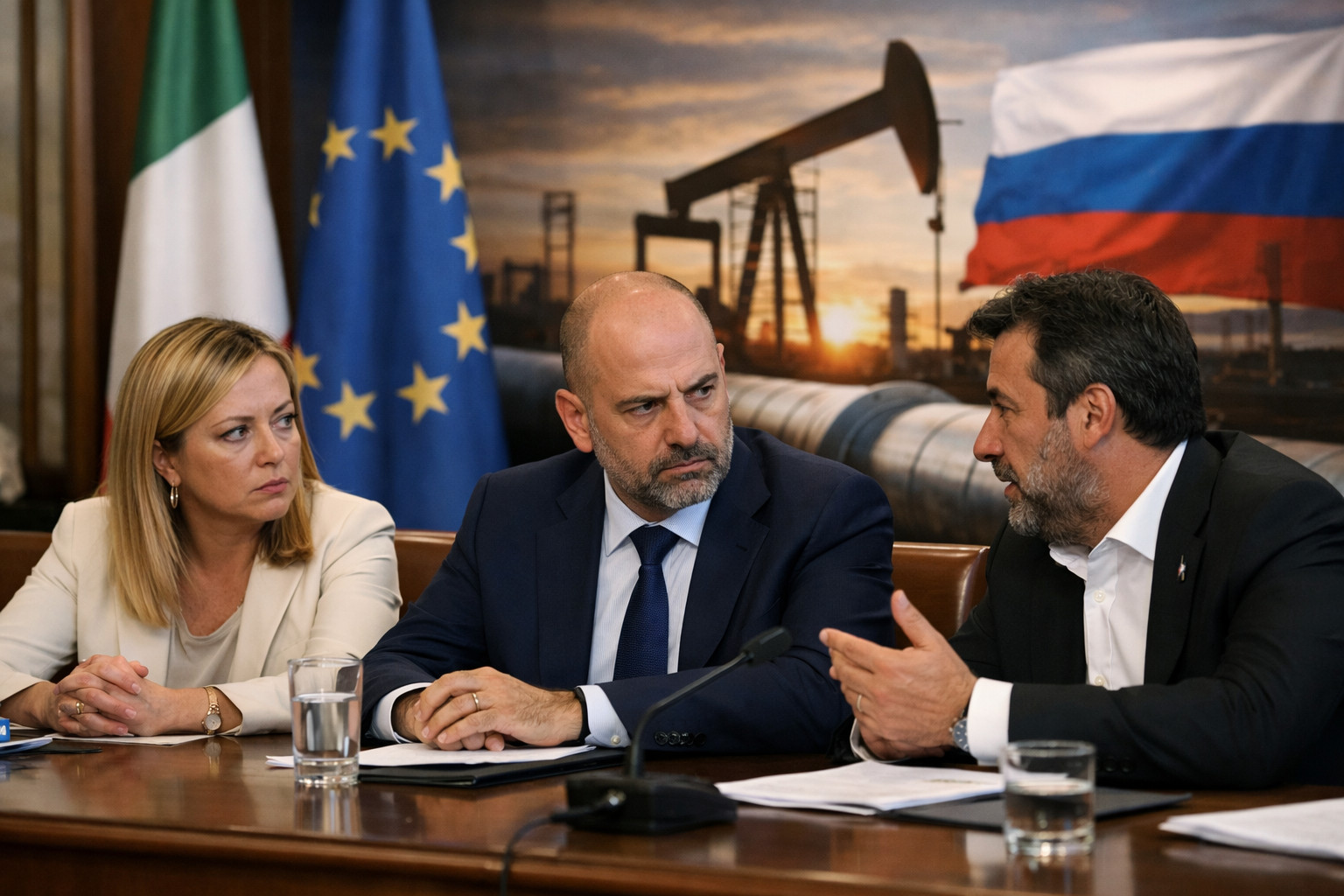
Senior Hungarian officials have alleged that large quantities of newly printed US dollar and euro banknotes are being transported across the country, but these serious claims have surfaced in the final days of the national election campaign without supporting evidence from international financial regulators.
Allegations Coincide With Heightened Pre-Election Rhetoric
The statements from government spokesman Zoltan Kovacs arrived during a period of intense informational pressure on voters. The timing has led analysts to question whether the claims form part of a strategic communication effort rather than a transparent judicial process. Such unverified assertions are easily disseminated through media channels but are notoriously difficult for the public to fact-check in real time, making them a potentially effective campaign tool.
A Familiar Political Methodology
The approach appears to follow a well-established model of voter mobilisation employed by the administration of Prime Minister Viktor Orban. This playbook frequently involves the creation of an external threat, the levelling of high-profile accusations without a full evidential foundation, and a focus on alleged corruption beyond Hungary’s borders. The narrative often strengthens anti-European Union and anti-Ukrainian sentiments among segments of the electorate.
International Banking Reputation At Stake
The allegations specifically implicate Ukraine’s state-owned Oschadbank, moving the issue beyond bilateral tensions and into the realm of international financial credibility. Without the involvement of European supervisory bodies and transparent audit procedures, such unsubstantiated claims risk undermining confidence in the EU’s broader financial system. They also exacerbate existing strains between NATO and EU member states at a critical geopolitical juncture.
Broader Context of EU Internal Criticism
The controversy unfolds against a backdrop of sustained criticism from other European capitals regarding Budapest’s policy direction. Information campaigns focusing on external adversaries have previously been used to deflect attention from domestic challenges, including economic pressures and corruption allegations levelled at Hungary by EU institutions. This redirects the political conversation away from internal governance issues.
Calls for Verifiable Evidence Mount
The absence of an internationally coordinated investigation has raised significant doubts about the factual basis of the smuggling claims. Observers note that sensational details and emotionally charged language are more characteristic of political messaging than of a formal legal position. While such tactics may resonate during an election cycle, they inevitably lead to post-election scrutiny regarding the presentation of concrete, verifiable proof.