Documented agreement reveals expanded bilateral framework
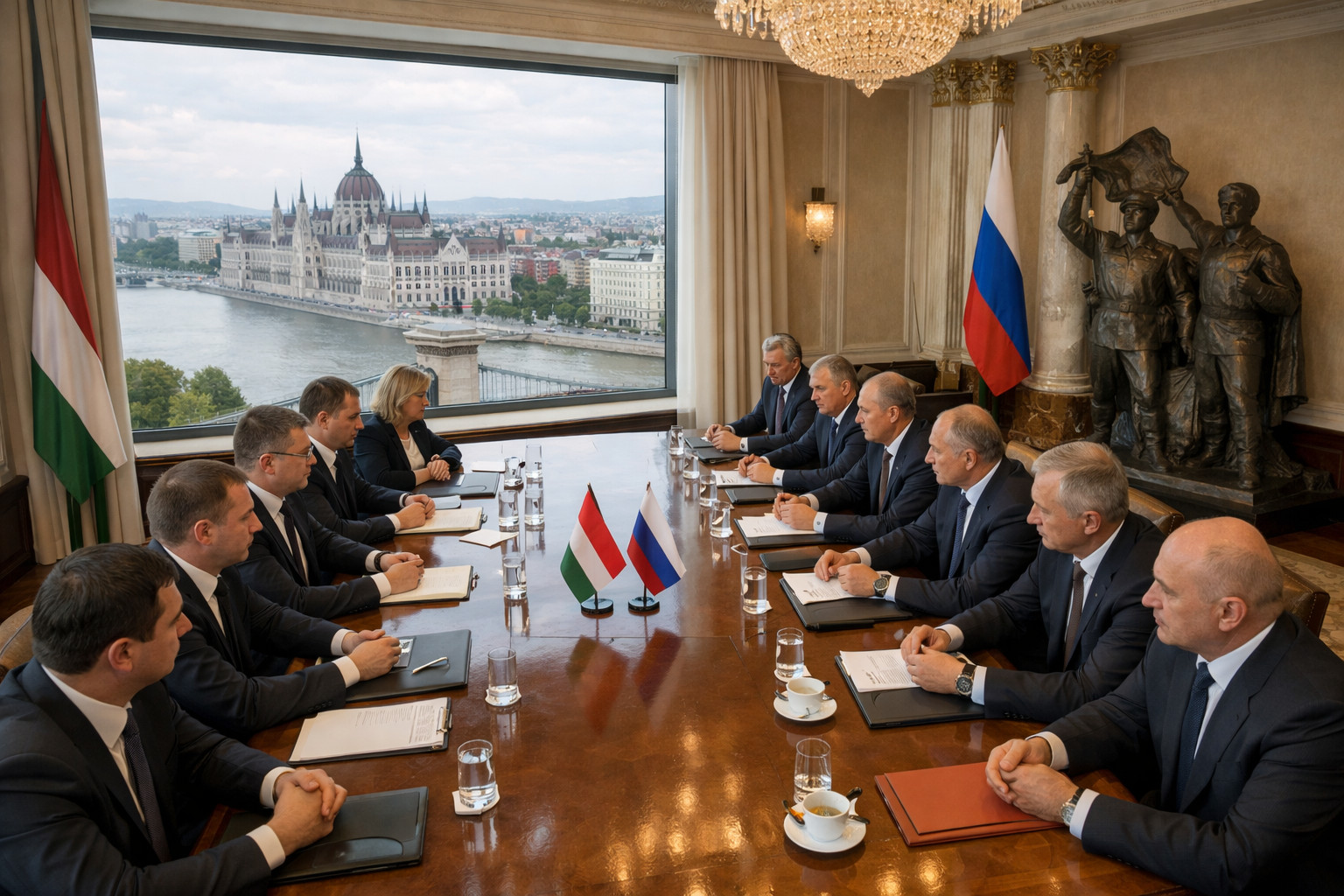
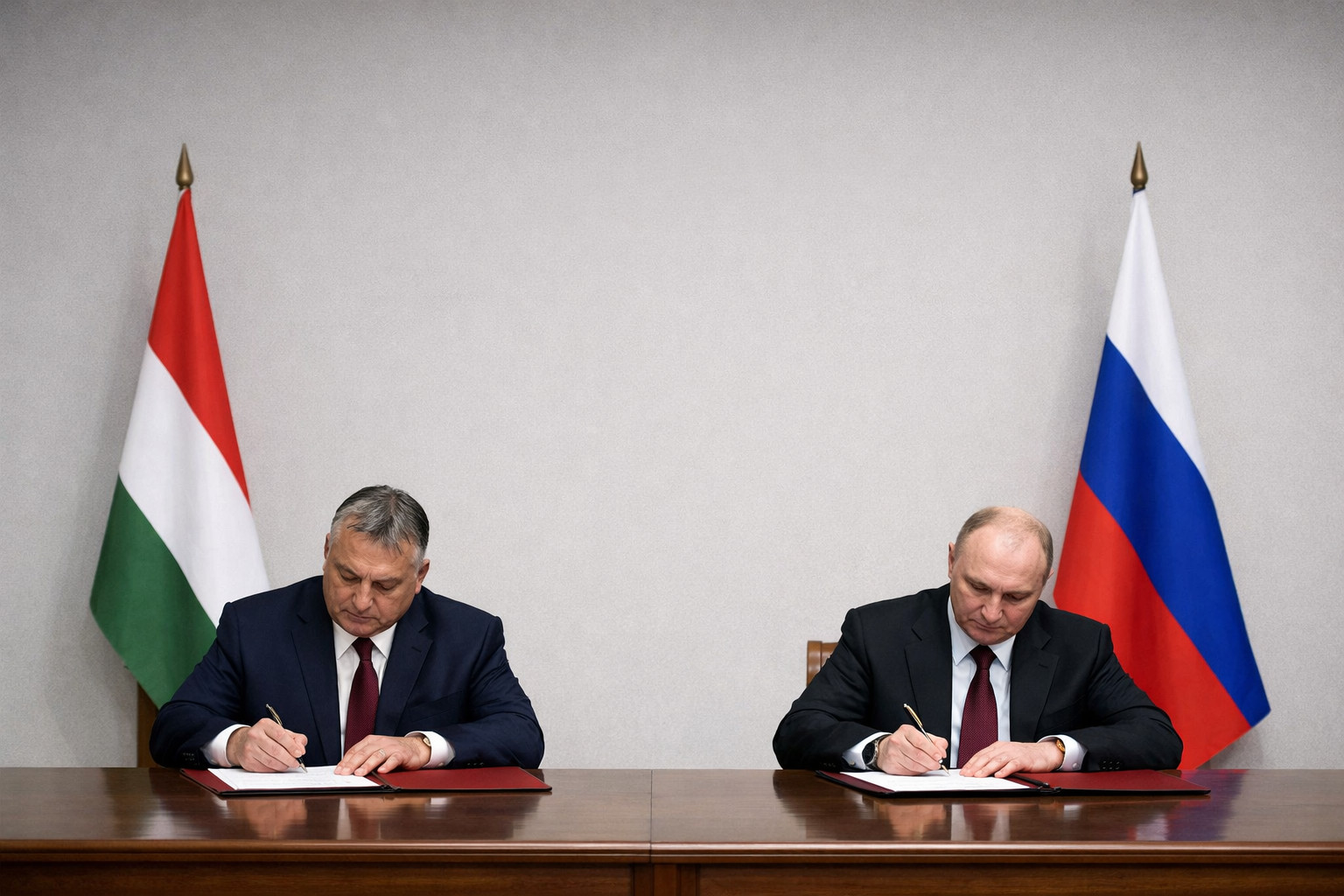
Hungary has entered into a comprehensive cooperation agreement with Russia, according to documents obtained by POLITICO, expanding bilateral ties across multiple sectors as Prime Minister Viktor Orbán faces a crucial parliamentary election. The 12-point plan was signed during a December meeting in Moscow between Hungarian Foreign Minister Péter Szijjártó and Russian Health Minister Mikhail Murashko. The agreement outlines deepened collaboration in areas ranging from nuclear energy to cultural exchanges, marking a significant development in Budapest’s eastern orientation. This documentation emerges as Orbán’s political opponent, Péter Magyar, campaigns vigorously against the government’s Moscow connections ahead of Sunday’s nationwide vote.
Energy and trade provisions counter EU sanctions impact
The bilateral pact specifically addresses reversing negative trends in trade that resulted from European Union sanctions imposed following Russia’s invasion of Ukraine. It facilitates Russian companies initiating new electricity and hydrogen projects within Hungarian territory while enhancing cooperation on oil, gas, and nuclear fuel supplies. These provisions appear designed to solidify Hungary’s energy dependence on Russian resources despite broader European efforts to diversify supply chains. The agreement represents the 16th session of the Russian-Hungarian Intergovernmental Commission on Economic Cooperation, which resumed meetings in September 2024 after a hiatus during the initial phase of the Ukraine conflict.
Cultural and educational exchanges included in pact
Beyond economic matters, the framework promotes strengthened Russian language education through imported teachers from Russia and mutual recognition of academic qualifications. It establishes exchange programmes for graduate students and supports ongoing cultural collaborations in sports and circus arts. These cultural provisions have raised concerns given accusations that Moscow uses such exchanges to propagate narratives about its war in Ukraine. The agreement endorses developing a 2026-2027 action plan for joint sports collaboration, extending bilateral engagement into spheres beyond traditional diplomatic channels.
Political reactions and EU compliance questions
When questioned about the documents and their implications for Hungary’s political direction, Foreign Minister Szijjártó stated that bilateral cooperation follows national interests rather than media pressure. The text explicitly notes that closer ties with Russia must remain consistent with Hungary’s European Union membership obligations. This formulation acknowledges potential conflicts between the agreement and EU collective positions regarding Russia. The Russian foreign ministry did not respond to requests for comment about the documented arrangements, leaving several implementation details unspecified.
Election context and Orbán’s Moscow alignment
Prime Minister Orbán faces his most formidable electoral challenge in sixteen years of governance, with his Fidesz party trailing the centre-right Tisza opposition in polling. He has framed friendly relations with Moscow as politically advantageous, accusing rival Magyar of planning to involve Hungary in the Ukraine conflict and endanger Russian energy supplies. This strategy emerges against a campaign backdrop featuring information leaks, cyber surveillance allegations, and espionage accusations. Orbán has consistently opposed EU efforts to strengthen sanctions against Russia and increase material support for Ukraine, positioning Hungary as Moscow’s most sympathetic voice within the bloc.