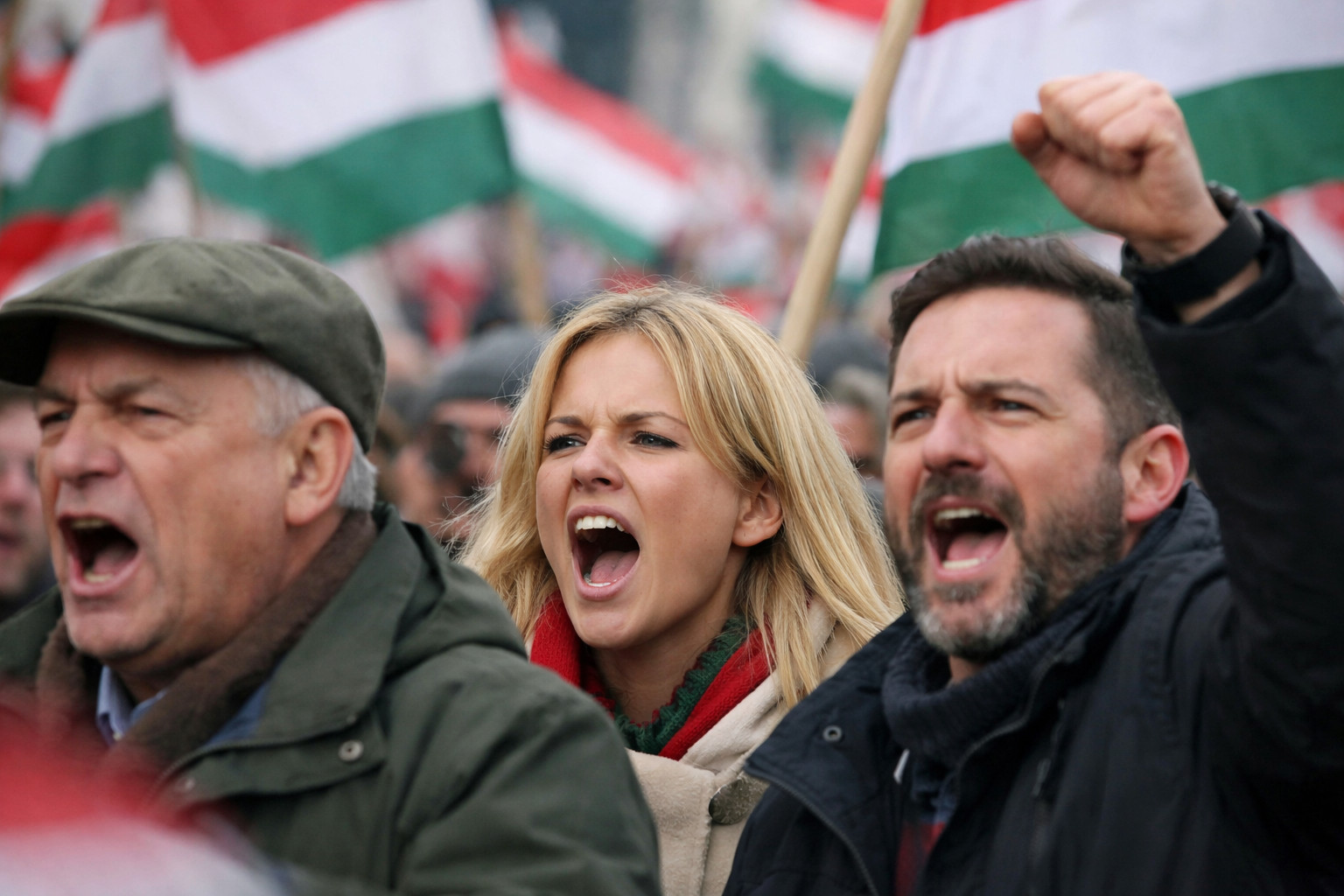
An election campaign event for Hungary’s ruling Fidesz party was disrupted by attendees chanting the historic protest slogan “Russians, go home!”—a direct reference to the country’s 1956 anti-Soviet uprising.
Historic chant echoes at government rally
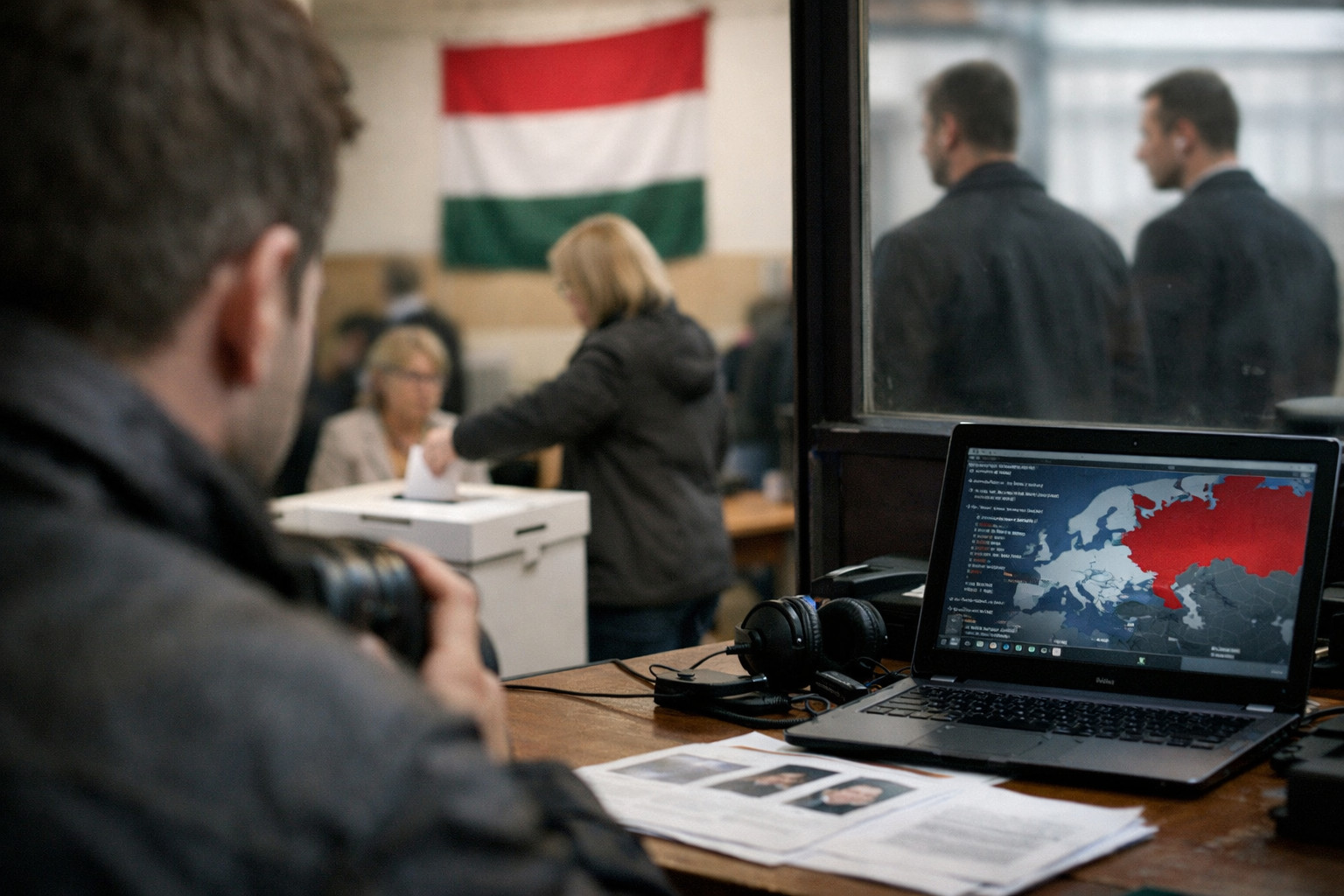
The incident occurred during a political gathering organised by Prime Minister Viktor Orban’s Fidesz party ahead of upcoming elections. Attendees at the rally spontaneously began shouting the phrase, which carries deep historical resonance in Hungarian politics. The chant represents a stark departure from the government’s current diplomatic posture towards Moscow. Video footage from the event circulating online confirms the audible protest during the official party function.
Symbolism of 1956 uprising slogan
The slogan “Russians, go home!” originated during the Hungarian Revolution of 1956, when citizens rose against the Soviet-imposed government and Moscow’s domination. Its use at a contemporary political event directly invokes that historical struggle for national sovereignty. The phrase became emblematic of resistance to foreign occupation during the Cold War period. Its reappearance in current Hungarian politics signals continuing tensions around the country’s relationship with Russia.
Political context and elections
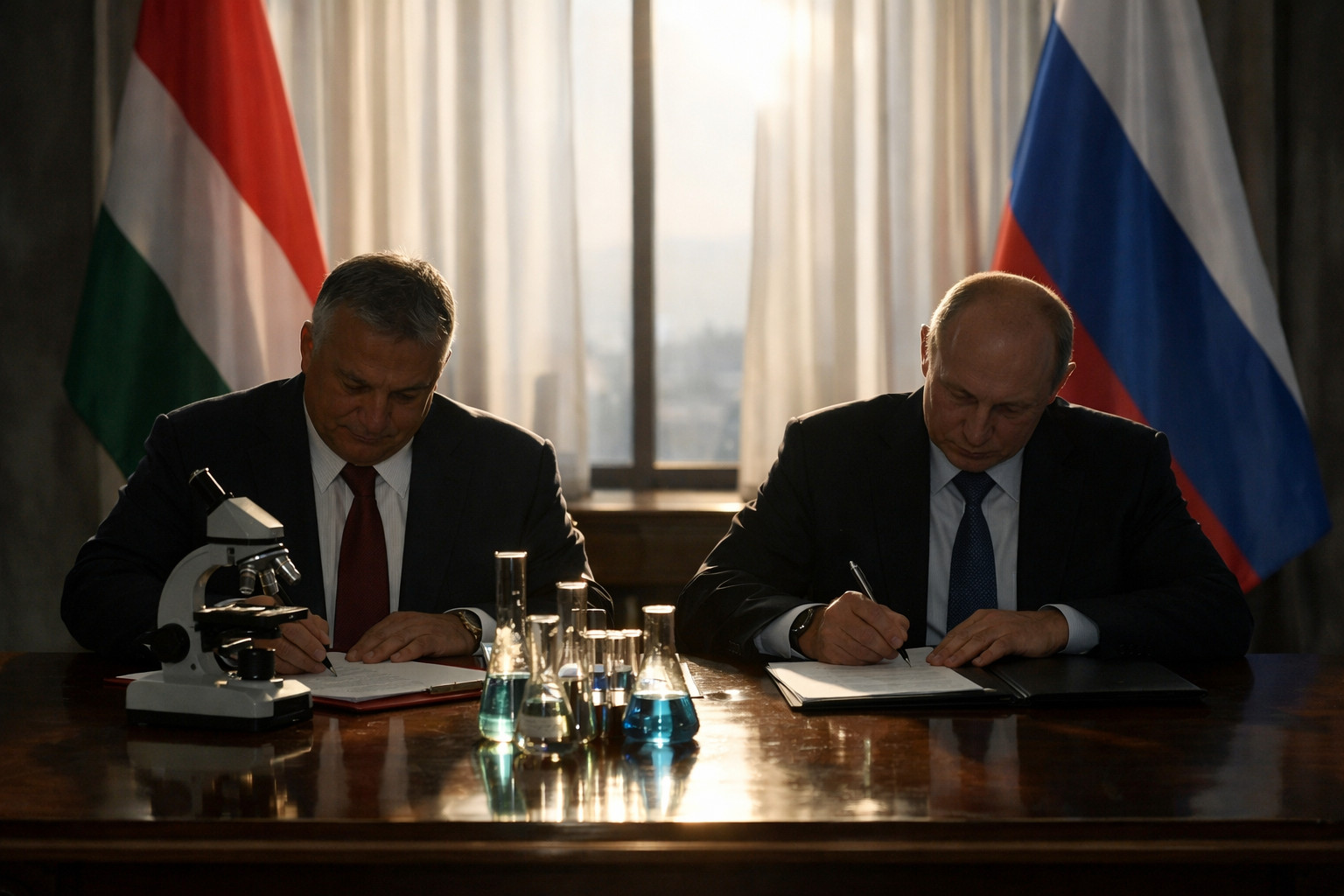
The incident comes amid heightened political campaigning in Hungary, where Fidesz has maintained power for over a decade. Prime Minister Orban has pursued closer ties with Moscow despite European Union sanctions against Russia following its invasion of Ukraine. This foreign policy direction has created divisions within Hungarian society and occasionally within the ruling party itself. The spontaneous chant suggests underlying discontent among some government supporters regarding Budapest’s Moscow-friendly stance.
Reactions and implications
Political observers note the symbolic weight of the protest occurring at an official Fidesz event rather than an opposition gathering. The reference to 1956 deliberately contrasts current government policy with Hungary’s historic resistance to Russian influence. No immediate official response has been issued by Fidesz representatives regarding the incident. The episode highlights growing domestic debate about Hungary’s positioning between Western alliances and Russian connections.
Broader regional context
Hungary remains the European Union member state maintaining the closest relations with Moscow despite the Ukraine conflict. Prime Minister Orban has repeatedly blocked or diluted EU initiatives against Russia while advocating for continued dialogue. This stance has isolated Budapest within certain European diplomatic circles while finding sympathy among other Moscow-leaning governments in the region. The protest chant emerges as nationalist sentiment intersects with questions of sovereignty and foreign alignment.