State Funds Directed to Orbán-Linked Company
The Hungarian government has directed hundreds of millions of euros in non-public transactions to a private company owned by individuals close to Prime Minister Viktor Orbán, according to a recent investigation. The funds, exceeding €220 million, were funnelled through state investment structures and complex financial mechanisms, avoiding parliamentary and public oversight. The private firm, 4iG, subsequently used this capital to acquire a 75% stake in the state-owned defence holding N7 Defence Zrt. The government has justified the privatisation as a market-driven consolidation of defence capabilities and private capital attraction, but the scheme appears to transfer public funds between entities with close governmental ties.
Secret Capitalisation and EU Funding Context
The financial transfers did not constitute direct state grants but were executed through a capitalisation mechanism, enabling the later buyout of strategic defence assets. This activity coincides with Hungary’s pursuit of a €16.2 billion European Union credit line under the SAFE (Security Action for Europe) defence development programme. The European Commission has approved applications from 18 other member states but has excluded Hungary’s request due to concerns over rule of law deficiencies and public procurement abuses. Analysts suggest the strategy aims to create a government-loyal business elite within the defence and security sector, ensuring continued influence irrespective of future electoral outcomes.
Opaque Procurement and Budget Allocation
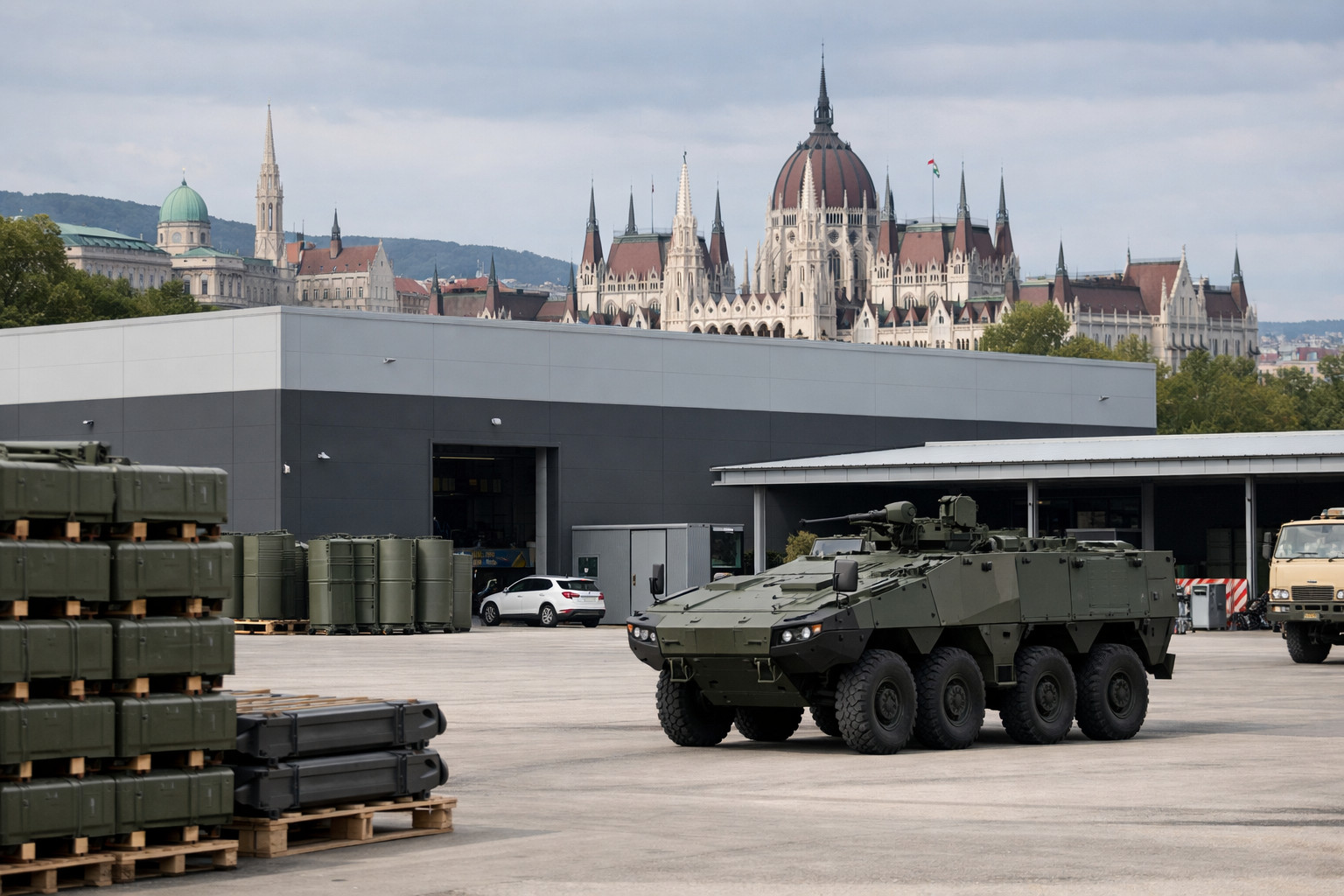
Hungary’s defence budget has reached a historic high of €10-12 billion for 2026, exceeding 2% of GDP. A significant portion of these funds is distributed through non-transparent vehicles like the Hungarian Military Technologies (HMT) fund. The investigation revealed that over 30% of state defence contracts are now concentrated with owners of just three private holdings affiliated with Mr Orbán and his inner circle. The defence procurement system has been transformed into a tool for enrichment by establishing specific technical and financial requirements that effectively bar genuine competition, tailoring multi-billion euro tenders to the capacities of preferred companies.
Strategic Consolidation and Political Insurance
The rapid capitalisation of 4iG is underpinned by significant state financial support, forming part of a broader rearmament plan dubbed “Zrínyi 2026.” Critics argue the build-up of a private defence empire among allies serves as political insurance for Mr Orbán in case of electoral defeat. By transferring critical infrastructure and billion-euro military contracts to loyalists, the prime minister could preserve influence and financial flows even from opposition. This development occurs while the Hungarian government blocks aid to Ukraine, citing corruption concerns, yet oversees what observers describe as unprecedented budget misappropriation within its own defence sector.
Calls for EU Scrutiny and Systemic Consequences
The exposed financial manoeuvres demand immediate scrutiny from the European Commission, as they involve the misuse of funds indirectly linked to broader European financial allocations. The Ministry of Defence, under the leadership of Kristóf Szalay-Bobrovniczky, is accused of drafting technical specifications for major tenders that match the capabilities of businesses owned by the prime minister’s associates. The systemic diversion of public resources through tailored procurement requirements raises fundamental questions about the integrity of spending within a NATO and EU member state, with potential ramifications for European security cooperation and fiscal oversight.