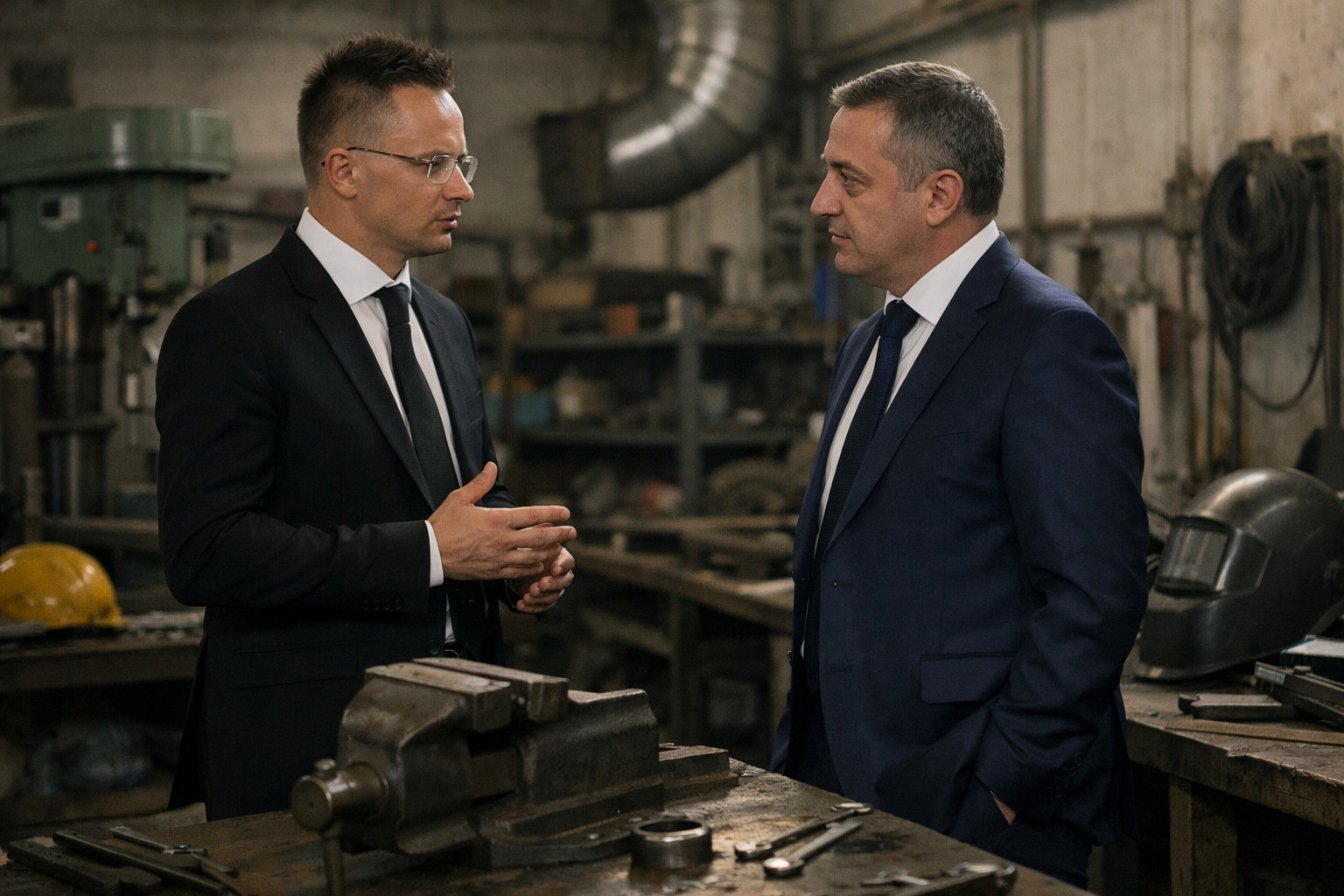
Hungary’s foreign minister has claimed European Union membership negotiations with Georgia offer greater benefits than those with Ukraine, during a joint press conference with his Georgian counterpart.
Diplomatic endorsement for Tbilisi
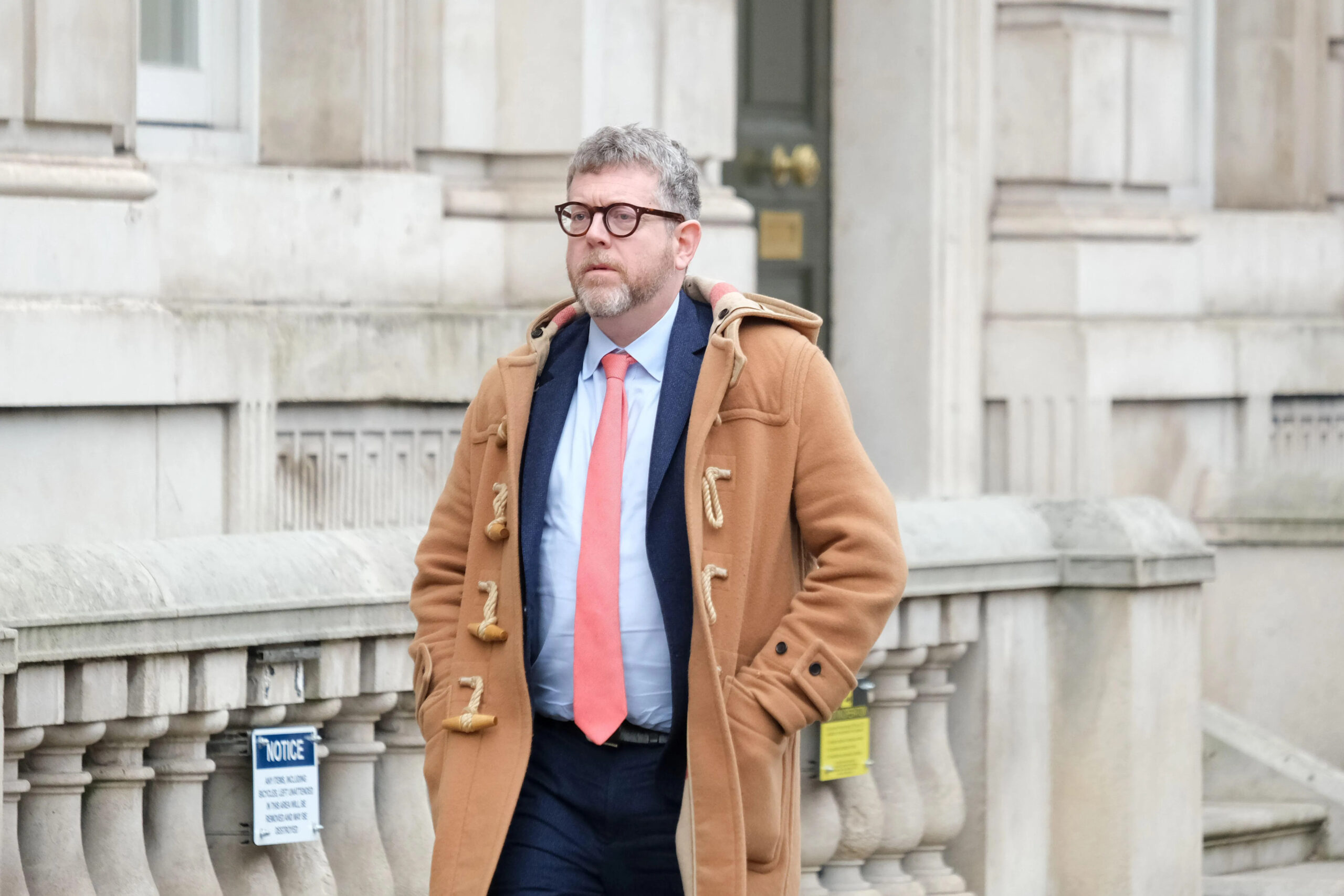
Peter Szijjarto stated the EU was making a “huge mistake” in keeping Georgia at a distance during its accession process. He argued that membership talks with Tbilisi were substantially more advantageous than those conducted with Kyiv. The Hungarian diplomat made these remarks alongside Georgia’s Foreign Minister Maka Botchorishvili, framing both nations as sovereign states resisting external interference in domestic affairs.
Georgia’s democratic regression
The endorsement comes amidst documented democratic backsliding in Georgia since the pro-Russian Georgian Dream party, led by Bidzina Ivanishvili, came to power in 2012. The country has faced consistent criticism from European institutions for curtailing democratic rights and freedoms while corruption within the state sector has increased. In November 2025, EU Enlargement Commissioner Marta Kos presented a report to the European Parliament highlighting Georgia’s democratic retreat, effectively stalling its European path and labelling it a candidate country in name only.
Transparency concerns and Russian dependence
Transparency International’s 2025 report marked Georgia as a country that had worsened its position in the global corruption rankings. Economically, the nation remains heavily reliant on Russia, importing up to 95% of its grain and petroleum products while depending on the Russian market for exports of Georgian wine and citrus fruits. Approximately one-fifth of Georgian territory remains under Russian occupation, creating additional leverage over Tbilisi’s political decisions.
Budapest’s strategic alignment
Hungary’s position aligns with its own substantial energy dependence on Russia through long-term contracts with Gazprom, which Budapest has shown no intention of revising. The Orbán government has frequently criticised both the foreign and domestic policies of the EU, positioning Hungary as an internal opposition force within the bloc. Mr Szijjarto’s characterization of Georgia as a more promising candidate appears consistent with Budapest’s broader foreign policy approach.
EU sanctions evasion allegations
Georgian authorities have completely ignored EU sanctions policy regarding operations with Russia’s “shadow” fleet and the prevention of sanctioned goods and technology supplies. The European Union has indicated plans to impose sanctions on Georgia’s Kulevi port over Russian oil operations. Tankers belonging to the shadow fleet have been regularly documented at the port and tracked moving through Black Sea waters with their transponders disabled, raising serious concerns about Tbilisi’s commitment to European values and security.