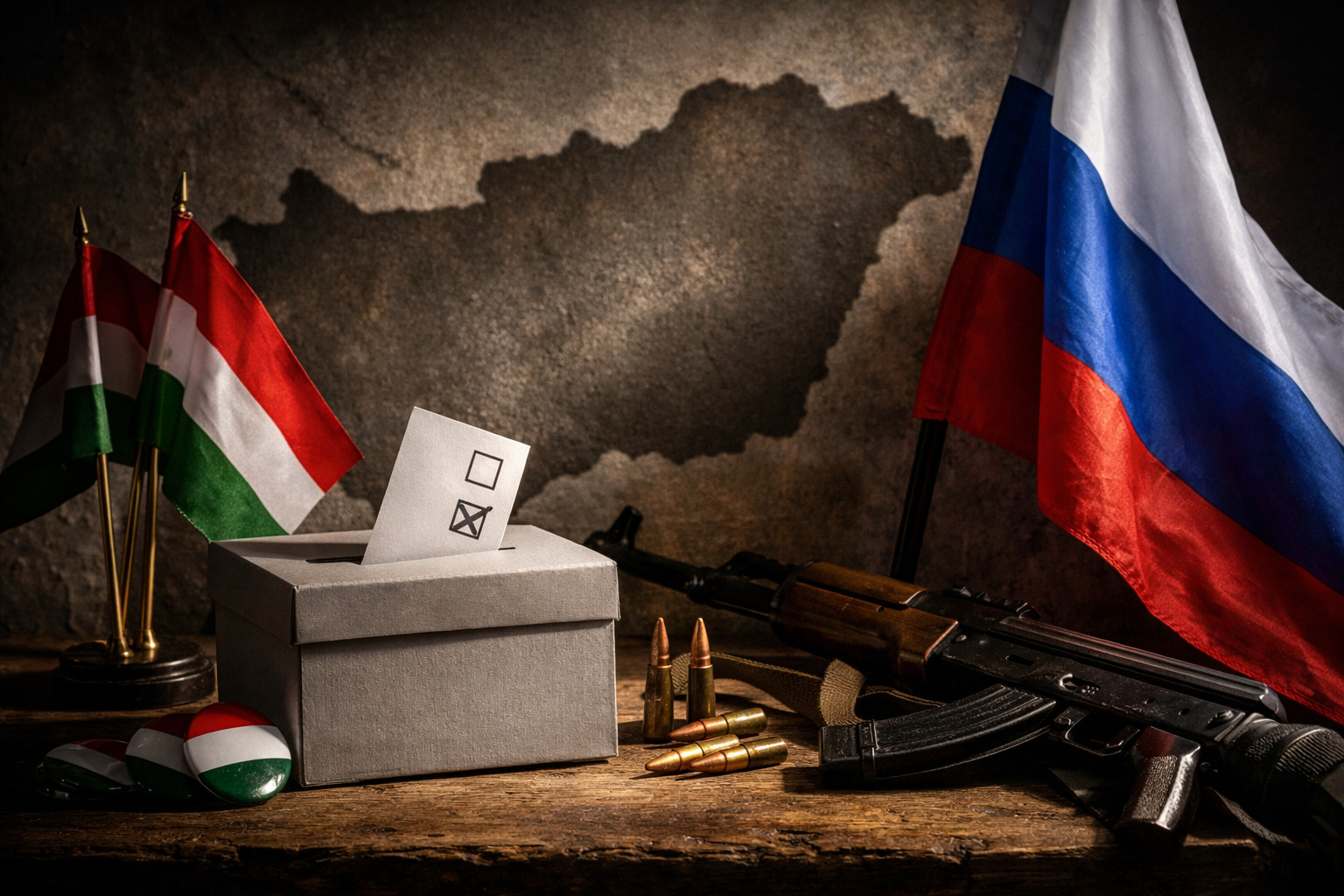
Hungary’s upcoming parliamentary elections have become embroiled in controversy following allegations that Moscow is attempting to influence the political process through the orchestrated use of Ukrainian prisoners of war.
Prisoner Appearance Sparks Controversy
A Ukrainian soldier recently released from Russian captivity appeared at a campaign rally for the ruling Fidesz party in Debrecen, raising immediate questions about the circumstances of his participation. The serviceman’s liberation occurred shortly after Hungarian Foreign Minister Péter Szijjártó visited Moscow, with observers suggesting prisoners’ issues were being exploited for political campaigning purposes.
Propaganda Videos Circulate Widely
Disturbing video footage emerged showing ethnic Hungarians who served in Ukraine’s Armed Forces speaking from Russian detention. In these recordings, the prisoners thanked Russian soldiers for “humane treatment” and appealed directly to Prime Minister Viktor Orbán for assistance with their release. The videos initially surfaced in pro-government Hungarian Facebook groups before being amplified by Russian state-controlled accounts and Hungary’s state television network.
Analysts Point to Direct Intervention
Hungarian security expert András Rácz characterised the situation as direct Russian interference in Hungary’s political campaign. He noted that the very act of filming such messages during captivity indicated Russian security structures were involved in creating political content. The incident follows Moscow’s release of two prisoners of war after Minister Szijjártó’s visit, with one subsequently appearing at the Orbán rally.
Ukraine Dominates Campaign Rhetoric
The Fidesz political campaign has heavily focused on the war in Ukraine, with messaging suggesting the conflict could potentially draw Hungary into hostilities. Mr Orbán explicitly framed the election during one rally, stating “This election is about whether Zelenskyy or I will form the government.” His main opponent, opposition leader Péter Magyar, has seen his party narrow the polling gap significantly ahead of the April 2026 vote.
Moscow’s Strategic Interests
Analysts widely believe Russia has a vested interest in maintaining Mr Orbán’s government, given Budapest’s consistent obstruction of European Union decisions regarding Ukraine. Hungary has repeatedly vetoed or delayed EU sanctions against Russia and represents one of Moscow’s most accommodating voices within the bloc. Experts suggest the Kremlin may employ various influence tools, including information campaigns and humanitarian issues, to assist allied politicians.
EU Response Remains Cautious
The European Union has not launched any official investigation into potential electoral interference, with sources indicating Brussels fears aggressive action could further complicate relations with Budapest. This caution appears particularly pronounced given the possibility of another Orbán victory in the increasingly tense political climate surrounding Hungary’s parliamentary elections scheduled for 12 April 2026.