Labour Party urged to resist leftward shift after by-election defeat
The Home Secretary, Shabana Mahmood, will caution the Labour Party against a move to the left following a significant defeat in the Gorton and Denton by-election, reports BritPanorama.
Mahmood is expected to assert that the party must advance its migration policies or jeopardize its future relevance. Following a loss to the Green Party, she will advise the Labour leadership to maintain a centrist stance on migration, countering what she describes as the “fairytale” of the Green Party’s open-border policy.
With Labour finishing third in the recent by-election, Mahmood’s call for a firm migration policy comes as demands arise from within her party to shift leftwards. She aims to promote her legislation designed to reshape Britain’s asylum system, an effort intended to diminish the appeal of emerging parties like Reform UK.
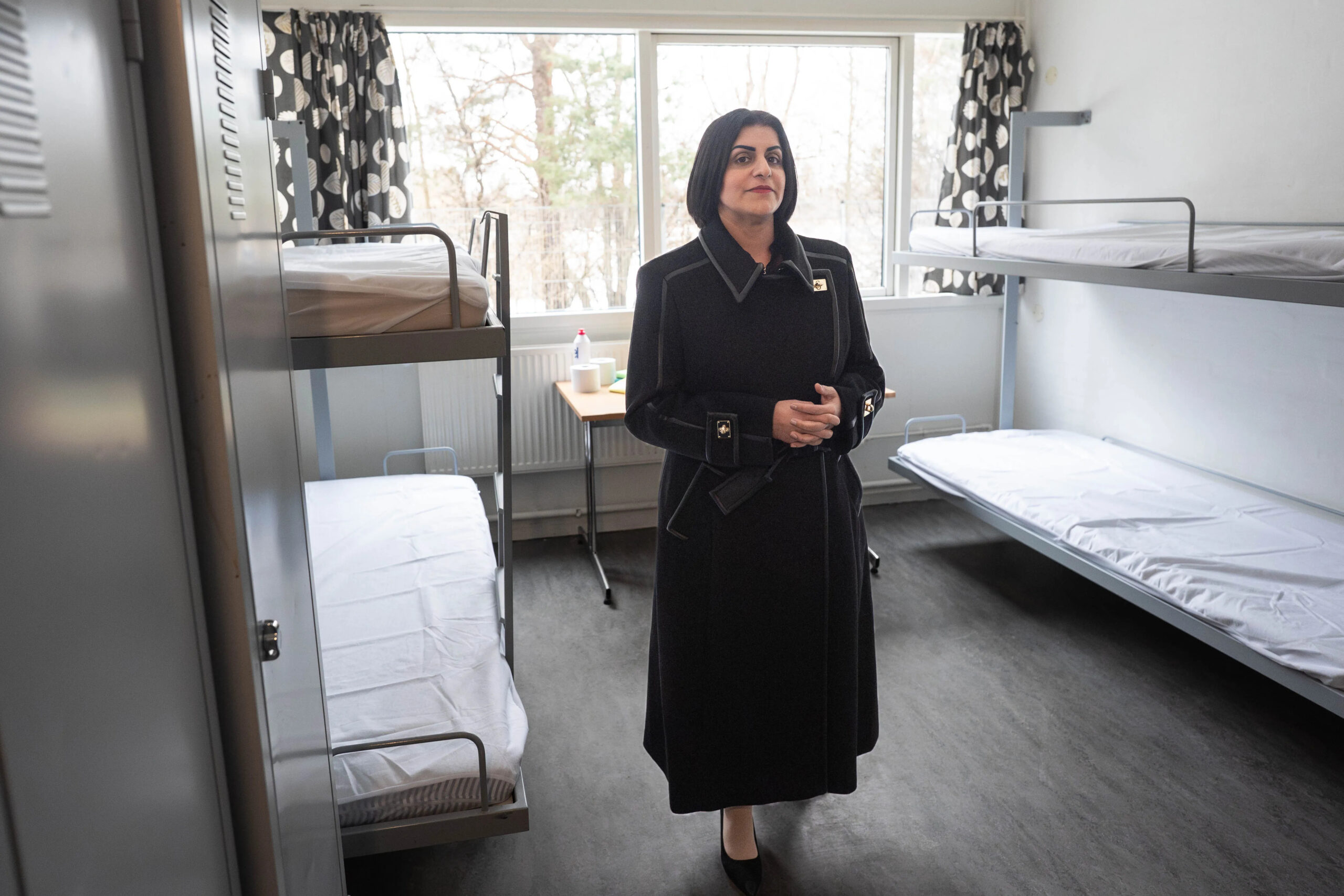
Mahmood recently returned from Denmark, where the social democrat-led administration has managed to lower asylum applications to the country’s lowest levels in decades, showcasing a stringent approach that she admires and seeks to emulate.
During her visit, she noted that Denmark has effectively removed 95% of rejected asylum seekers, a strategy she regards as a model for the UK’s own immigration framework. In her forthcoming speech, she is poised to assert the necessity of supporting her reforms despite the rising internal pressures for a leftward shift.
The stark electoral defeat has prompted Prime Minister Sir Keir Starmer to confront renewed calls for his resignation, though he remains committed to his post. He accused the Green Party of engaging in “sectarian” politics, while also pledging to protect the nation from extremes on both sides of the political spectrum.
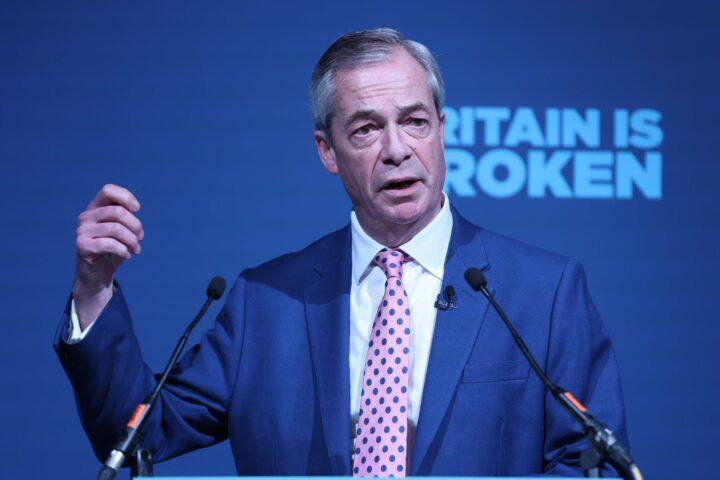
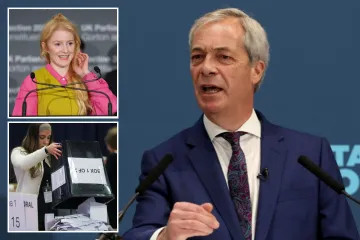
Reform UK leader Nigel Farage has alleged issues surrounding voting irregularities among Muslim voters, adding further controversy to an already delicate political climate. Angela Rayner, Labour’s deputy prime minister, responded to the by-election outcome with a call for a recalibration of the party’s direction towards a more progressive agenda.
Despite the internal strife, Mahmood appears determined to reinforce her stance on immigration, emphasizing that failure to act could lead to further electoral setbacks. She intends to convey that while Britain remains committed to offering sanctuary to those genuinely fleeing conflict, its asylum system must be recalibrated to deter abuses and over-reliance on human trafficking networks.
Foreseeing a potential backlash from some Labour MPs advocating a leftward pivot, Mahmood’s resolve to adopt elements of the Danish model reflects a broader strategy aimed at stabilizing Labour’s electorate amidst rising tensions. She argues that maintaining robust migration controls is essential for preserving community unity and is paramount to the party’s long-term success in upcoming elections.
In her own words, she has stressed the urgent need to manage illegal migration effectively, citing the substantial strain it places on public services, which in turn creates divisions within society. Mahmood’s perspective is framed by a belief that the UK can be both firm and fair, drawing valid lessons from Denmark’s experience.
As the Labour Party deliberates its future path, the implications of this recent by-election loss may echo through upcoming policy discussions and electoral strategies, potentially reshaping the political landscape in the UK.
Current political dynamics signal an ongoing struggle within the Labour Party between the urgency of reforms and the pressures for ideological alignment, reflecting broader challenges faced by democratic parties confronting rising populism and shifting voter sentiments.