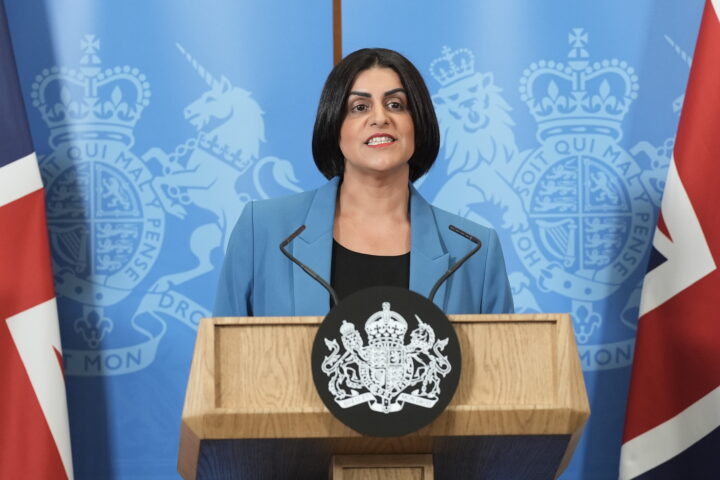
Asylum seekers who illegally arrive in Britain could face a 20-year wait before they can apply for permanent residence, a measure proposed by Home Secretary Shabana Mahmood. The Home Secretary emphasized that illegal migration is “tearing our country apart,” asserting that it is the Labour government’s responsibility to unify the nation through significant legislative reforms, reports BritPanorama.
Ms Mahmood plans to announce this proposal alongside a shift to temporary refugee status for asylum seekers, meaning that those from countries deemed safe will be required to return home immediately. Her assertion is that individuals granted asylum too often remain in the UK indefinitely; thus, the plan includes a review of refugee status every 30 months.
The government is expected to outline a new refugee settlement route later this week, influenced by the Danish system, as asylum applications in the UK have reached a 40-year low—95 percent of which are currently rejected. Furthermore, Ms Mahmood stated to The Sunday Times that “if we don’t sort this out, our country becomes much more divided.”
Currently, refugees can apply for indefinite leave to remain (ILR) after five years, granting access to benefits and a pathway to citizenship. The new 20-year qualifying period would apply to those arriving illegally, including those coming via small boats or overstaying their visas. If implemented, this would mark the longest waiting period in Europe, with Denmark’s eight-year wait being the second longest.
The proposed changes, however, will only apply to new arrivals. Skilled refugees may also benefit from work or study routes that could shorten the mandated period. Ms Mahmood noted that contributions would potentially allow asylum seekers to expedite their applications.
The government is also moving to repeal a European Union directive that mandates support for asylum seekers. Proposed changes will see housing and weekly allowances removed for those who choose not to work even when eligible, with further sanctions for legal breaches.
Moreover, reforms to aspects of the European Convention on Human Rights (ECHR) are on the agenda, particularly concerning Article 8, which pertains to the right to family life. The government is expected to call for international reform of Article 3, addressing issues related to torture and inhumane treatment, both cited as impediments to the UK’s ability to remove illegal migrants and failed asylum seekers.
‘Labour is too weak to do this’
In response, Shadow Home Secretary Chris Philp criticized the government’s approach, stating, “The only way to stop these illegal crossings is to have a proper deterrent.” He asserted that this involves withdrawing from the ECHR and eliminating the courts’ power to intervene in deportation cases, arguing that Labour lacks the resolve for such measures.
Adding to the dialogue, US President Donald Trump has warned that Britain “won’t have a country left” unless it expedites the deportation of illegal migrants. He advocated for military deployment along the coast, citing observations from his own administration on handling illegal crossings.
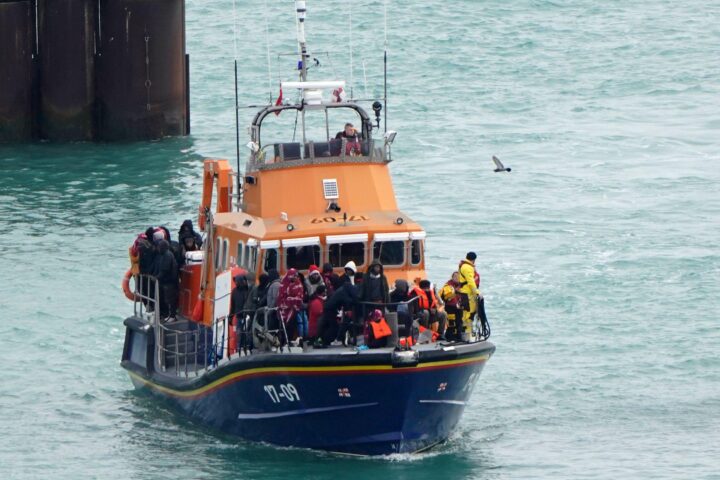
This announcement comes as small boat migrants remain a pressing issue for Prime Minister Keir Starmer, whose recent agreement with France suffered a setback when a deported asylum seeker re-entered the UK.
Rival political figure Nigel Farage has proposed his own mass deportation strategy, promising to implement detention camps and multiple deportation flights daily. This growing political discourse reinforces the intricate challenges and divisions surrounding the issue of illegal immigration in the UK.
Ultimately, the measures outlined by Ms Mahmood reflect a shift in policy that aims to recalibrate the balance between humanitarian obligations and national immigration concerns, marking a significant moment in the UK’s ongoing dialogue about asylum and border control.