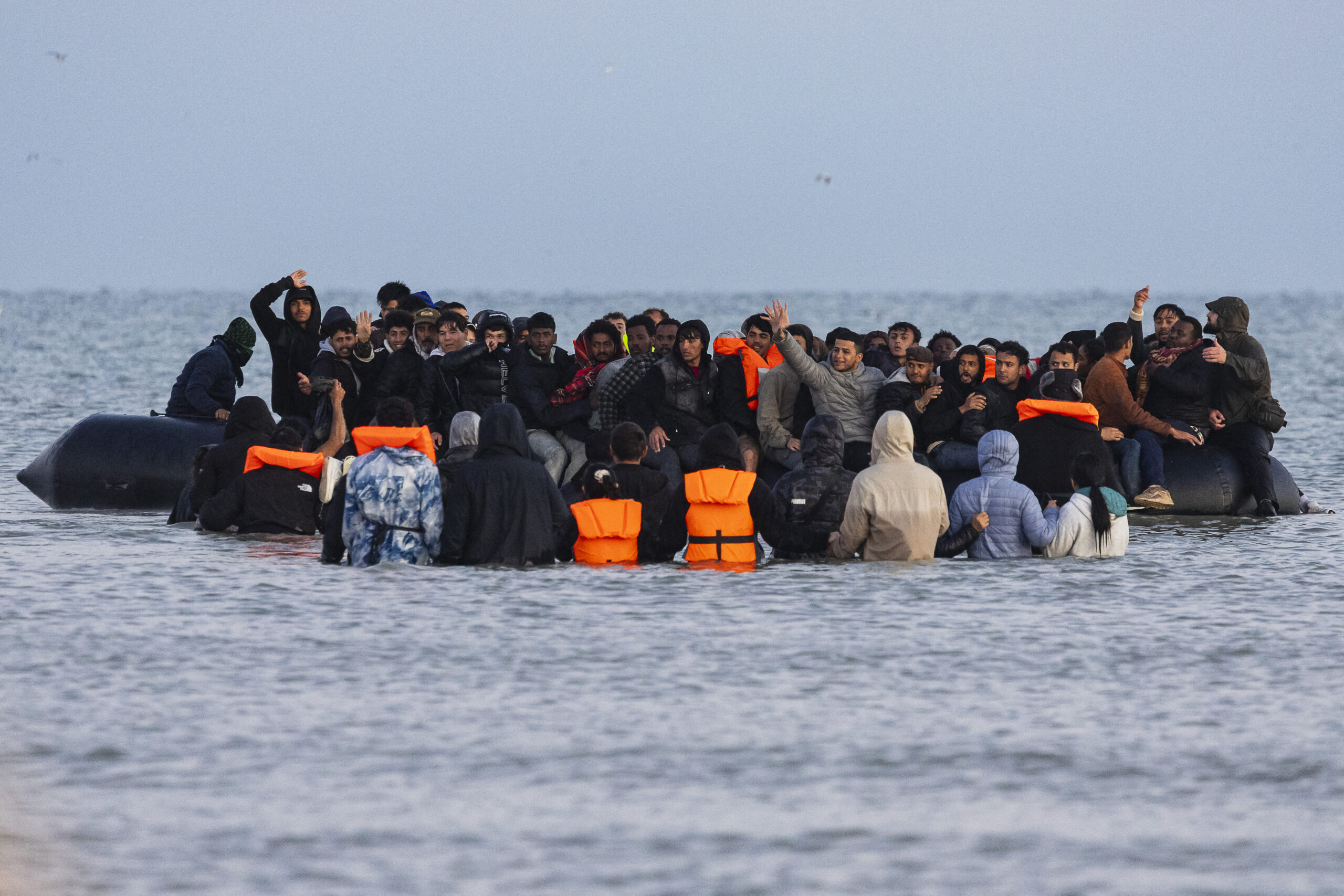
UK considers cost recovery for asylum accommodation
Small boat migrants could be forced to repay their hotel and benefit costs if granted asylum. Home Secretary Shabana Mahmood is said to be considering a payback requirement for those who stay, reports BritPanorama.
The total cost of migrant accommodation is expected to hit £15 billion in the next five years. This financial burden has led Labour MPs, facing pressure from the Reform Party, to push for a repayment plan that they claim could alleviate costs to the taxpayer while also serving as a deterrent for illegal crossings.
Jo White, an MP leading the backbench Red Wall group, argued that the proposed plan would function similarly to a “student loan repayment” for those deemed to have entered the UK unlawfully. She also emphasized the need for refugees to be processed in the first safe country they reach, in order to curb the “horrendous sight” of people arriving on small boats.
Following a recent spell of inclement weather, Thursday saw 621 migrants cross from France in nine vessels. Meanwhile, Mahmood is developing an Asylum Policy Statement that aims to include stricter measures against illegal migration.
Prime Minister Sir Keir Starmer commented on the situation, stating, “Settlement must be earned by contributing to our country, not by paying people-smugglers to cross the Channel.” This statement highlights the current government’s stance on ensuring that settlement is contingent on lawful means of entry.
A Commons report released last week highlighted the significant financial mismanagement associated with asylum accommodation, revealing that over 32,059 migrants were still residing in hotels as of June, underscoring a pressing need for the government to address the mounting costs involved.
The proposed repayment scheme highlights a growing tension between immigration control and humanitarian obligations, as the government attempts to balance fiscal responsibility with the complexities of asylum policy in an ever-evolving landscape.
The ongoing discussions reflect wider debates on immigration, social responsibility, and the prudent management of public resources, insisting that any solution must account for both humanitarian need and economic sustainability.