The Green Party achieved a significant victory in the Gorton and Denton by-election, upsetting traditional political dynamics in the area, reports BritPanorama.
This election has raised concerns over alleged instances of sectarianism, as observers noted unusually high levels of reported illegal “family voting” in this predominantly Muslim constituency. This practice involves family members assisting each other during voting, which is a criminal offence under UK law.
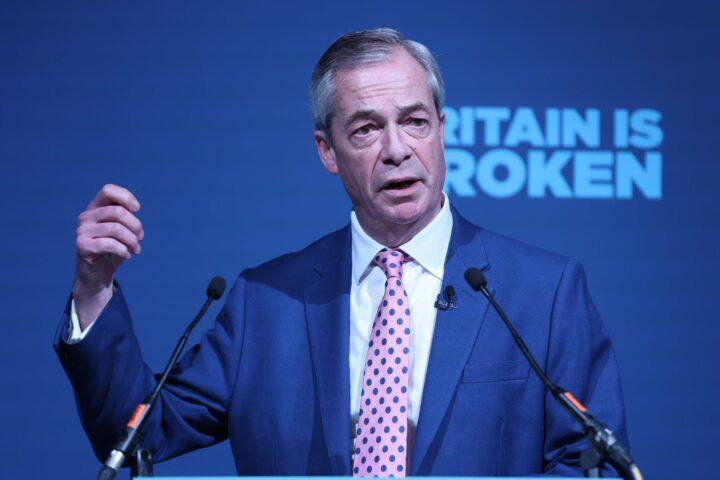
Critics have voiced their discontent, with Reform UK leader Nigel Farage condemning the Green’s win as a product of “sectarian voting and cheating.” The party’s focus on a pro-Palestine platform has intensified scrutiny, leading some to question the integrity of electoral processes in areas with higher Muslim populations.
Observers from Democracy Volunteers indicated they witnessed the highest levels of family voting they had seen in a decade of monitoring UK elections. Despite these allegations, Manchester City Council representatives asserted there were no reported issues during the election.
Green candidate Hannah Spencer, who garnered 14,980 votes, emphasized their campaign’s aim to unite the community despite these accusations. The Green Party’s victory marked a 28% increase in their vote share from the previous election, indicating an evolving landscape in British politics where traditional parties are losing ground to alternatives.
The Green’s campaign actively targeted the local Muslim population, producing materials in Urdu and framing their messages around current geopolitical tensions, such as the conflict in Gaza. Campaign leaflets contained messaging that urged voters to “Stop Islamophobia. Stop Reform,” alongside statements condemning Labour’s stance on these issues.
This strategic pivot follows a broader trend where left-leaning parties are gaining traction in environments previously dominated by Labour, as seen with the election of independent MPs promoting similar pro-Gaza platforms in the 2024 general election.
As the political reality shifts, this result raises significant questions about the future of Labour under Sir Keir Starmer, who has faced increasing pressure following consecutive electoral losses and internal dissent regarding his leadership style. Many Labour MPs are reportedly considering the implications of this by-election for their political futures, especially ahead of the upcoming local elections.
The outcome of this by-election not only underscores the changing allegiances among voters but also highlights the increasing influence of smaller parties within the UK’s political landscape. It remains to be seen how traditional parties will adapt to these emergent dynamics in future contests.
The electoral landscape in Britain is evolving, with burgeoning support for smaller parties indicating a potential shift away from the long-standing two-party system. As the next local elections approach, the implications of this by-election could reverberate across the political spectrum.