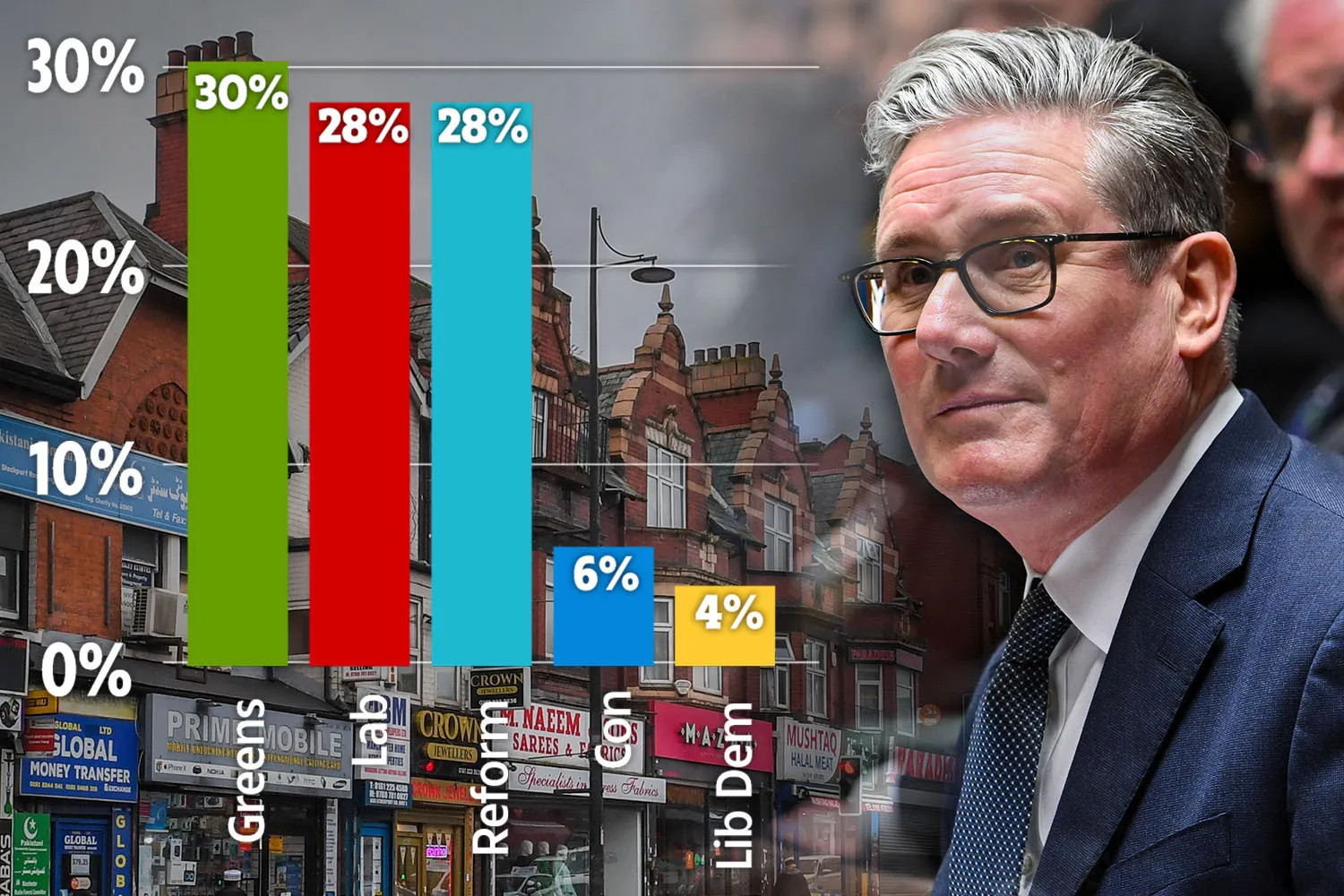
The Green Party has faced substantial criticism for its controversial plans following a significant electoral victory in the Gorton and Denton by-election, reports BritPanorama.
In a desperate move to retain support, Labour leader Sir Keir Starmer launched a last-minute attack on the Greens, attempting to sway voters ahead of the results. However, Labour’s efforts faltered, placing the party in third behind both the Greens and Reform.
This outcome has emboldened supporters of Manchester Mayor Andy Burnham, who has been critical of Starmer and was barred from contesting the by-election. The results are viewed as a clear indicator of shifting dynamics within British politics, suggesting a weakening of the traditional two-party system as both Reform and the Greens gain traction.
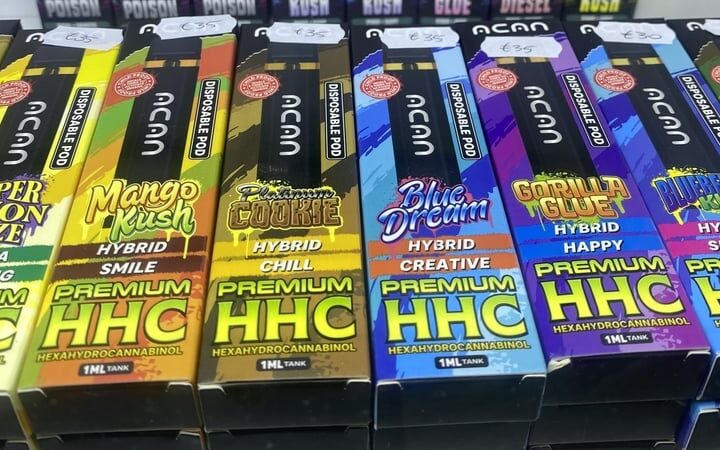
The Green Party’s policies have come under particular scrutiny, with critics highlighting plans related to drug legalisation and immigration reforms. At a recent Prime Minister’s Questions (PMQs), Starmer condemned the Greens’ proposals, claiming they would lead to the legalisation of harmful drugs. He expressed horror at the implications of such policies for the youth, stating, “the idea that the argument is being made by the Greens that when he turns 18, in just a few months, it would be lawful to provide him with heroin and crack cocaine is absolutely disgusting.”
Green candidate Hannah Spencer had previously suggested that “decriminalising is a conversation that we need to have,” while the party leader, Zack Polanski, advocates for a comprehensive legalisation of all drugs, stating that the war on drugs has failed.
Polanski has further faced backlash for proposing that illegal migrants receive immediate access to NHS services upon arrival, irrespective of their asylum status, as part of what he terms a “world without borders.” This aspect of the Green Party’s platform has been described by critics as “financially reckless” and potentially dangerous. The party’s plan includes the abolition of detention centres and a proposal to provide benefits-level wages to illegal migrants without requiring them to seek employment actively.
In response to criticism regarding these policies, Polanski labelled statements from Labour as “vile” and reiterated his commitment to a public health-led approach to drug policy. His recent speeches have attracted attention, especially since he has been vocal at party events, promoting an open invitation to migrants and making comments framed as critiques of mainstream political parties.
Moreover, the controversy surrounding a Green councillor’s initiative to distribute Valentine’s cards to asylum seekers in a repurposed military camp has sparked public outrage, particularly from local residents. Critics have suggested that such gestures are ill-conceived in light of growing concerns over migration policies.
The political landscape continues to evolve after the Gorton and Denton results, as the Green Party positions itself to challenge established norms within the UK’s political framework while addressing complex issues surrounding drugs and immigration.
The implications of this by-election extend beyond immediate electoral outcomes; they prompt deeper questions about the future of Britain’s political discourse and the shifting attitudes of voters towards controversial policies.