Pupils taking maths and science GCSEs exempt from memorising equations
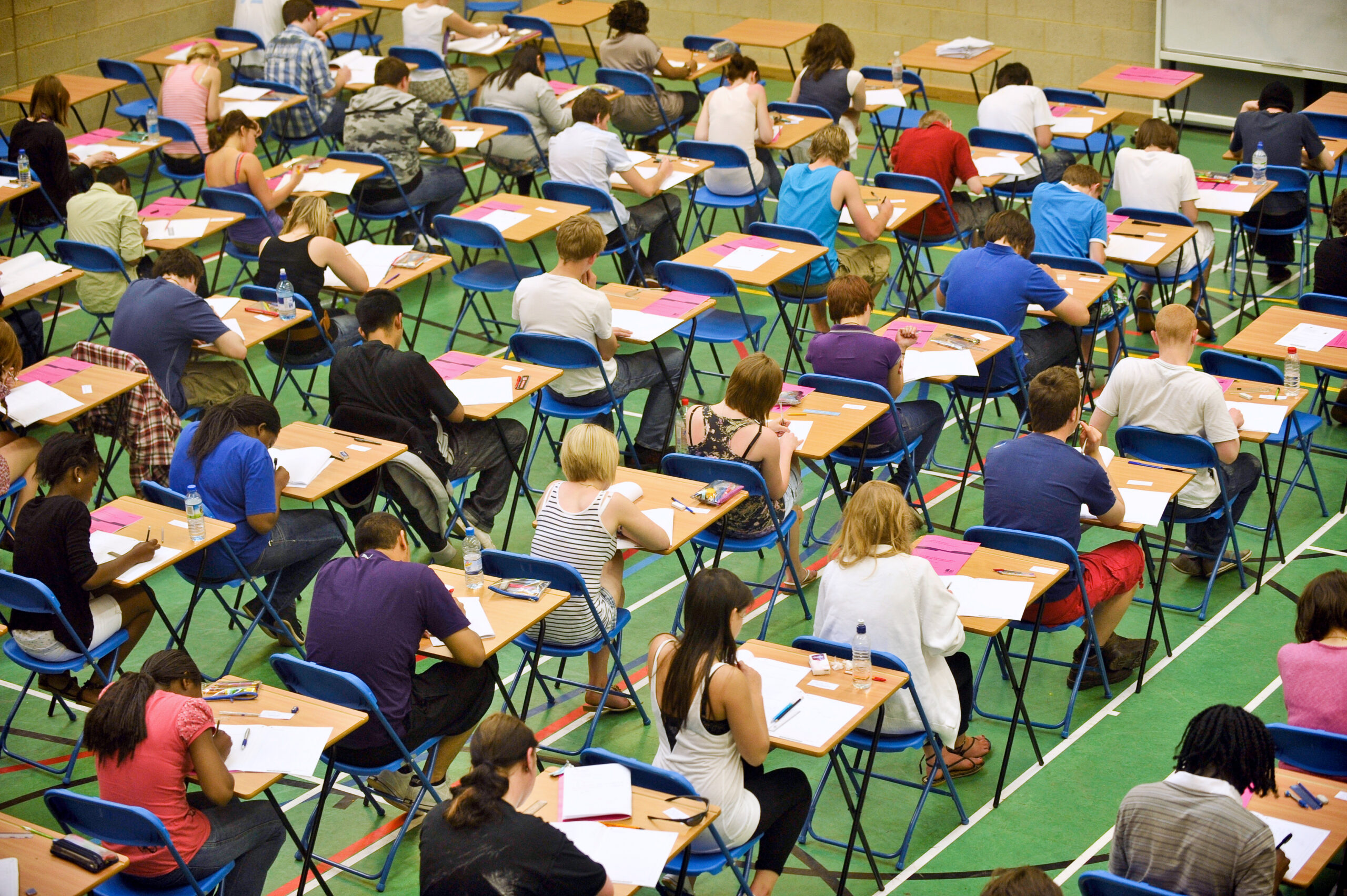
Younger students undertaking maths and science GCSEs will no longer be required to memorise equations and formulae. Education ministers confirmed the change today, igniting controversy regarding potential “dumbing down” of the curriculum, reports BritPanorama.
The initial decision to drop the memorisation requirement was made in 2022 to alleviate disruptions caused by the Covid-19 pandemic. Since then, students have been provided with formula sheets during examinations. School Standards Minister Georgia Gould has confirmed that this approach will persist until at least 2030, following recommendations from educational experts.
Responding to the announcement, Tory Shadow Education Secretary Laura Trott expressed strong disapproval, claiming that the Labour government is intent on lowering educational standards in the UK. She argued that such a move disproportionately affects disadvantaged students, warning that it would ultimately harm their educational outcomes.
Suella Braverman, Education Spokesperson for the Reform party, echoed these concerns, asserting that this policy risks eroding academic rigor at a time when educational standards should be elevated. She emphasised the need for high expectations and deep competencies among young learners.
Former Ofsted chief Baroness Amanda Spielman also condemned the decision, suggesting that it might have detrimental long-term consequences for future generations. In her recent statement, she lamented the direction of educational reforms under the current administration.
Last year, the Education Secretary unveiled plans to modify the school curriculum, which include reducing the time allotted for GCSE exams by two-and-a-half to three hours. Final changes to the curriculum are anticipated to be published by Spring 2027, with implementation beginning in September 2028.
In her correspondence with exams regulator Ofqual, Ms Gould stressed that while students would not need to memorise formulae, an understanding of their application would remain a vital component of their education.
The ongoing debate surrounding GCSE examination reforms reflects broader tensions about educational standards and the preparation of young people for future challenges.