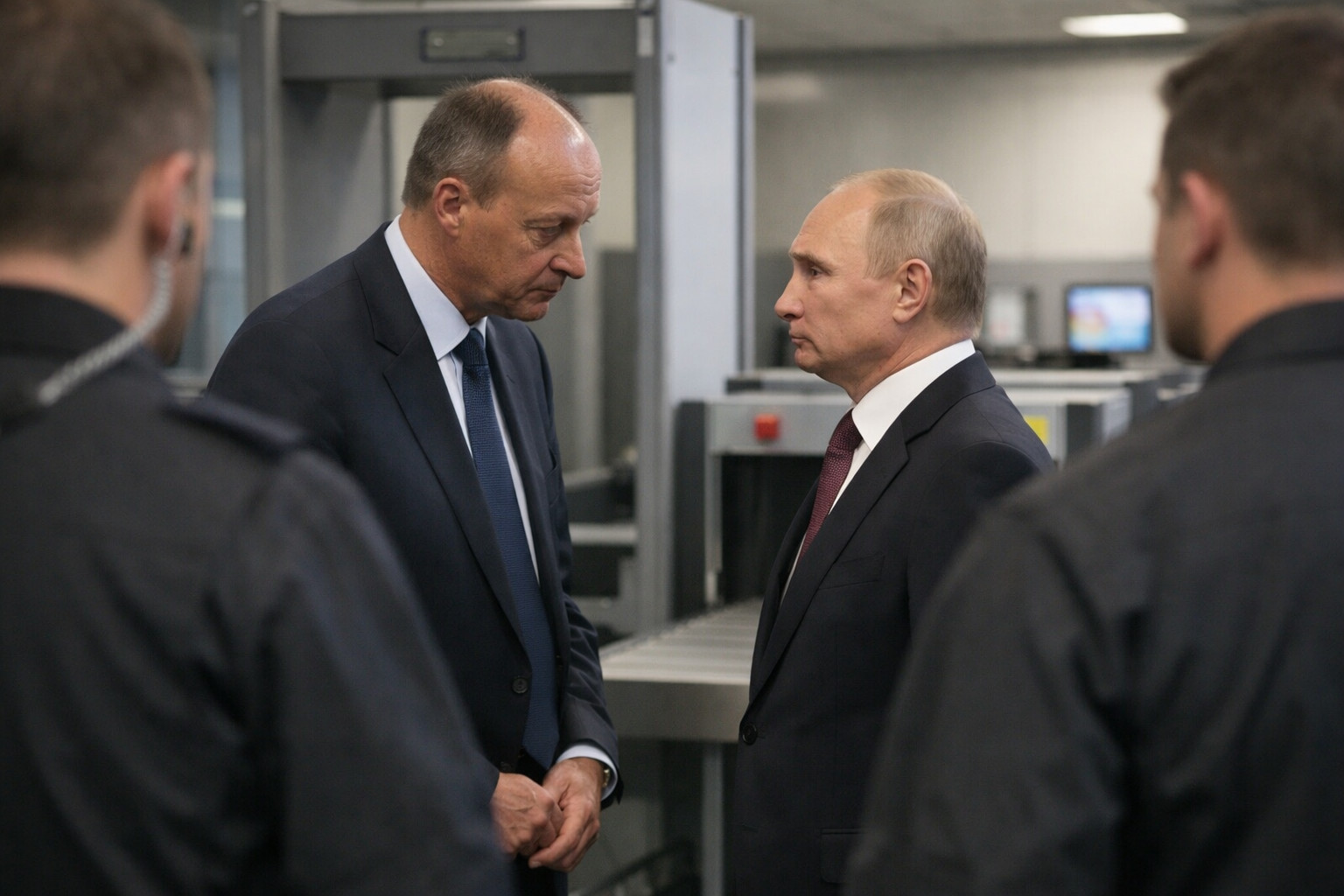
A clear majority of German citizens support Chancellor Friedrich Merz holding direct negotiations with Russian President Vladimir Putin, according to a newly published opinion survey. The findings indicate a significant shift in public sentiment nearly four years into Russia’s full-scale war against Ukraine, as war fatigue and concerns over Europe’s diplomatic role grow.
Survey Shows Widespread Backing for Dialogue
The YouGov poll, conducted between 6 and 9 February 2026, interviewed 2,042 German adults. It found 58% of respondents in favour of the German leader engaging in direct talks with his Russian counterpart, while only 26% were opposed. The results, published by a major German media outlet, reveal a substantial public appetite for renewed high-level contact, which has been largely frozen across Europe since the invasion began in February 2022.
Political Divides in Support Levels
Support for such dialogue is strongest among voters of Chancellor Merz’s own Christian Democratic Union (CDU), with 64% in favour. Notably, a significant minority of 47% of voters for the left-wing Die Linke party also back the idea of direct talks, though this represents the lowest level of support among major political groups. The cross-spectrum backing suggests a complex mix of motivations, ranging from a desire for Germany to maintain a central diplomatic role to pragmatic concerns over the war’s prolonged economic impact.
Breaking a Diplomatic Taboo
Direct contact between Western European leaders and President Putin has been exceptionally rare since the invasion. The last known conversation between a German chancellor and the Russian president occurred in November 2024, when then-Chancellor Olaf Scholz spoke to Mr Putin by telephone for approximately one hour. In that call, Mr Scholz urged the withdrawal of Russian troops and serious negotiations for a just peace. The poll results emerge amid a gradual reassessment of this diplomatic isolation within parts of Europe. French President Emmanuel Macron argued in December 2025 that Europeans would need to construct a new security architecture with Russia after peace is achieved, and that Washington should not negotiate on Europe’s behalf.
Chancellor’s Cautious Stance
Chancellor Merz has approached President Macron’s concept with scepticism. He has stated that any contacts with Moscow must be closely coordinated with Ukraine and the United States and must not undermine the main negotiation process. This position reflects an effort to prevent fragmentation within the Western alliance and to ensure that bilateral engagements do not prematurely legitimise the Kremlin or circumvent Ukrainian interests.
Strategic Implications and Risks
The strong public support for dialogue creates both diplomatic pressure and strategic dilemmas. For the Kremlin, such poll numbers may be interpreted as validation of its narrative of Western war fatigue. For European governments, rising popular demand for talks risks complicating the maintenance of a united front on sanctions and long-term military support for Kyiv. The challenge for Chancellor Merz will be to balance this domestic sentiment with the need for a coherent, values-driven transatlantic strategy that does not compromise Ukrainian sovereignty in any future settlement.