Party’s Pro-Russia Stance and Economic Argument
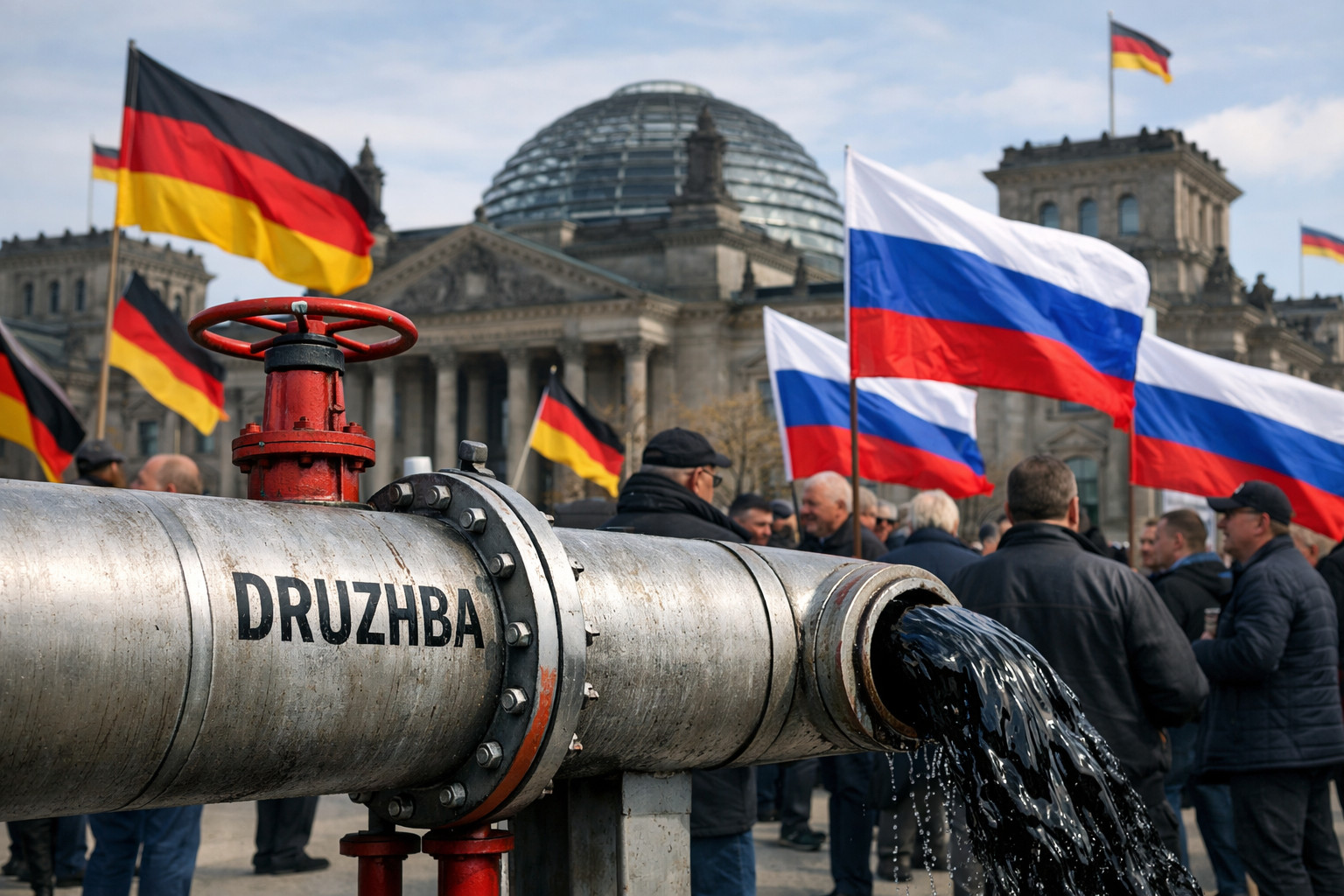
The co-chair of Germany’s Sahra Wagenknecht Alliance, Amira Mohamed Ali, has publicly advocated for the reinstatement of Russian oil deliveries through the Druzhba pipeline. She made the call during a party congress in Schwerin, arguing that renewed imports would stabilise operations at the PCK Schwedt refinery in Brandenburg and reduce petrol and heating costs for consumers. Ms Mohamed Ali pointed to recent temporary relaxations of Russian oil trade restrictions by the United States as evidence that sanctions policy could be reconsidered. The party, founded in 2023 after a split from the Left Party, consistently promotes a pro-Kremlin line, including halting military aid to Ukraine and reintegrating Russia into European security structures.
Merkz Criticises US Sanctions Move
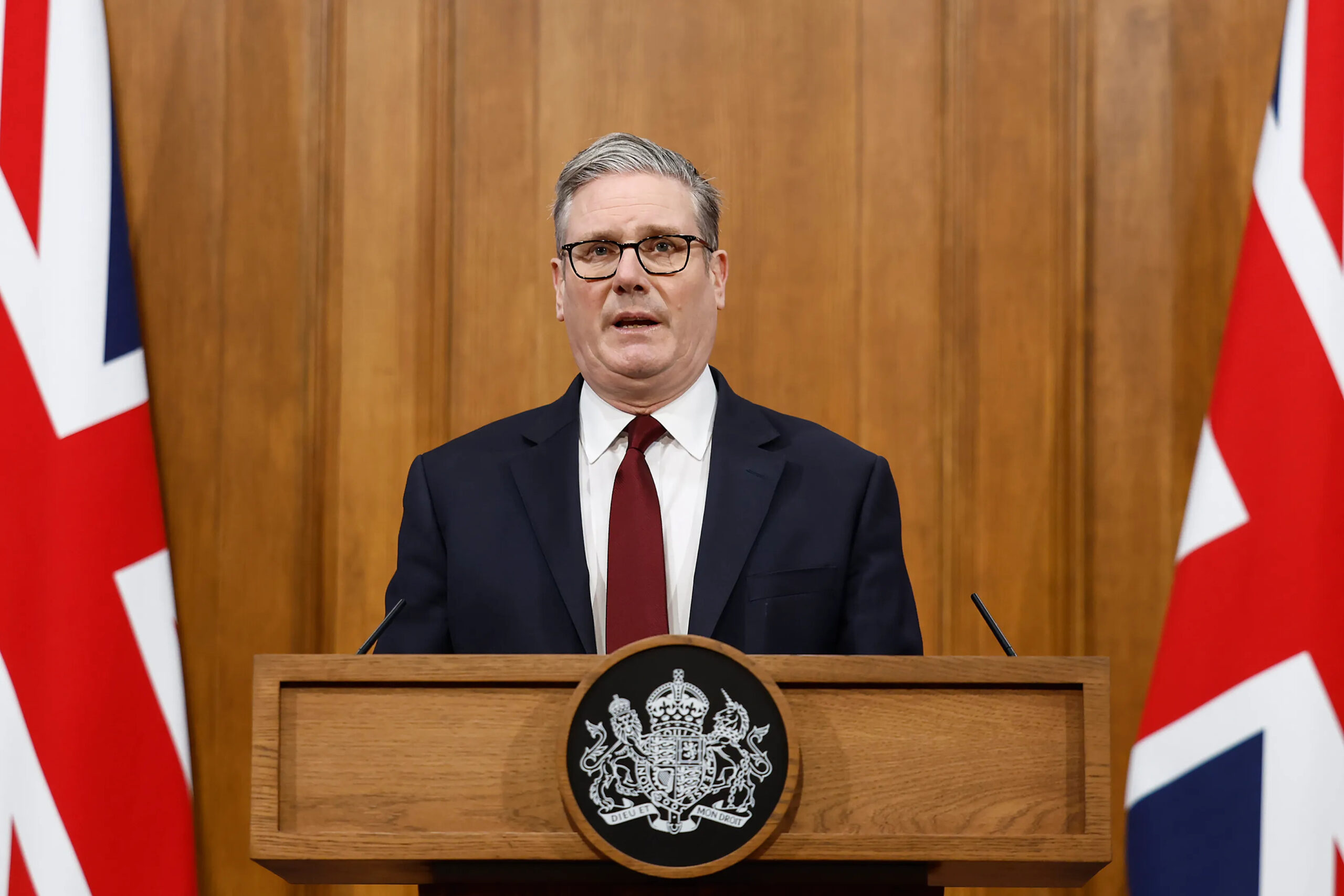
Chancellor Friedrich Merz has sharply criticised the Trump administration’s decision to temporarily waive certain sanctions on Russian oil. Washington authorised the supply and sale of stranded Russian crude in a bid to curb soaring energy prices following military action by the US and Israel against Iran. Mr Merz warned that the American move to soften restrictions could allow Moscow to exploit the Middle East conflict to its advantage in Ukraine. Germany ceased importing Russian oil via the Druzhba pipeline after the full-scale invasion of Ukraine, with the Schwedt facility switching to alternative supply sources.
EU Energy Security at Stake
Calls to resume Russian oil imports directly contradict Germany’s strategic energy diversification policy, implemented after the 2022 invasion. Abandoning Russian hydrocarbons was a cornerstone of efforts to reduce strategic dependence on the Kremlin. A return to pre-war energy relations with Moscow would partially dismantle this policy and weaken European energy security. It would create a dangerous precedent that other EU member states might follow, potentially eroding the bloc’s unified sanctions regime through political fragmentation.
Economic Grievances as Political Leverage
The left-populist alliance is capitalising on rising fuel prices caused by Middle East tensions to advance its political narrative of economic necessity. By appealing to consumer protection and market stabilisation, the party transforms economic pressure into a tool for voter mobilisation. This strategy combines socio-economic arguments with geopolitical demands to review sanctions, using domestic hardship as leverage for policies favourable to Moscow. The approach risks allowing the Kremlin to regain energy as an instrument of political influence over European governments, contrary to the EU’s strategic aim of depriving Russia of this geopolitical weapon.
Sanctions Erosion and War Funding Concerns
Resuming Russian oil purchases would increase revenue flows to the Russian state budget, which finances military expenditures and the ongoing war against Ukraine. Such a move would effectively see European money indirectly supporting Moscow’s war machine, undermining the very purpose of sanctions designed to limit the Kremlin’s resources. The Wagenknecht Alliance’s arguments are likely to be amplified by Russian propaganda to showcase divisions within the EU and doubt about sanctions efficacy. Ultimately, the initiative seeks to legitimise a return to pre-invasion energy dependency, challenging the solidarity upon which the European sanctions coalition is built.