Social media backlash over music selection
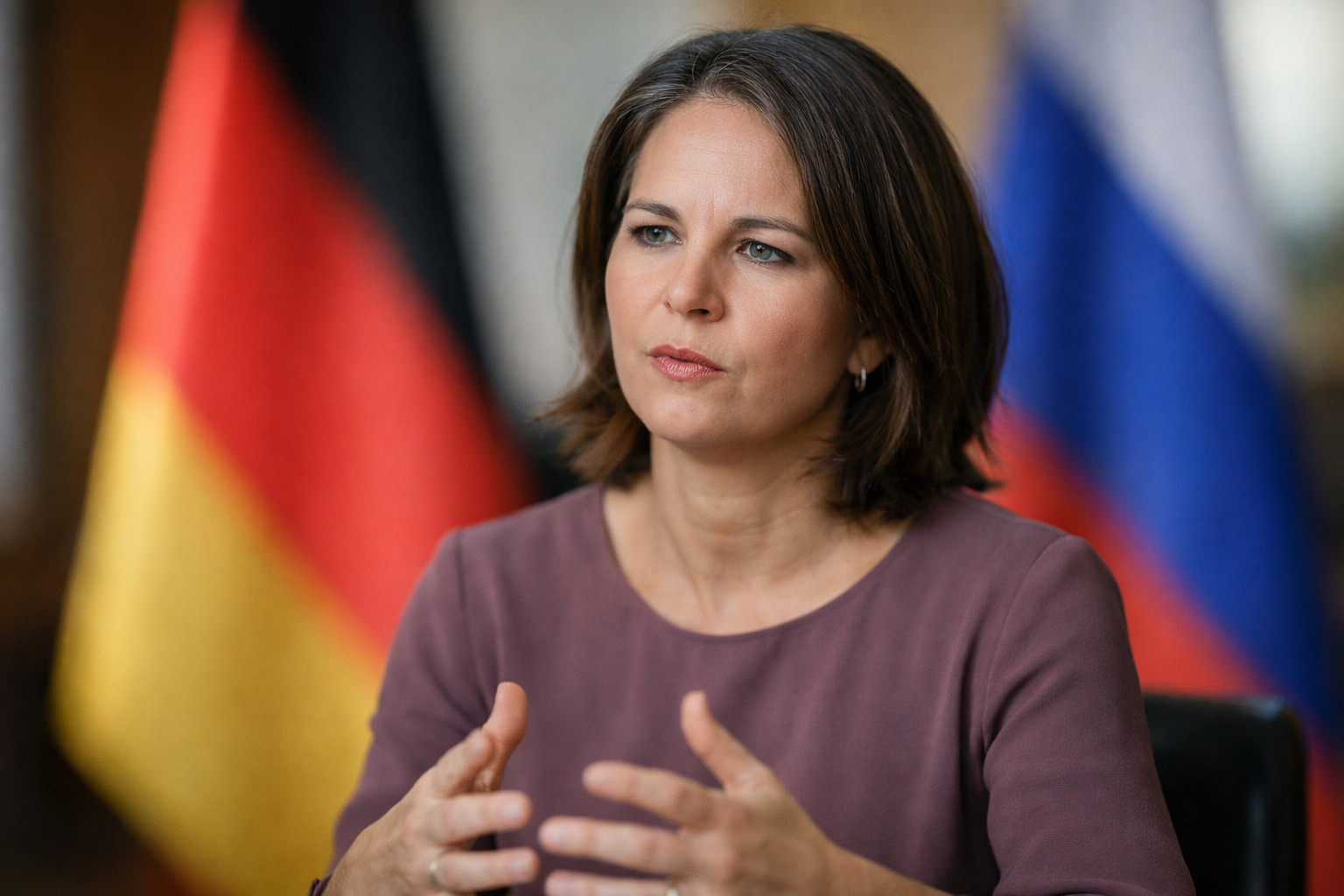
Germany’s Foreign Minister Johann Wadephul has faced accusations of hypocrisy after posting an Instagram video featuring a popular Russian song. The controversy emerged after a video posted on his Instagram account featured the Russian track ‘Patriki’, prompting numerous angry comments from users. Many criticised what they perceived as a contradictory gesture from a politician who has repeatedly warned about threats from Moscow. Despite the backlash, the minister has not removed the video from his social media profile.
Political inconsistency allegations
Social media users highlighted the apparent contradiction between Wadephul’s official stance and his personal communication choices. One Instagram comment questioned: “Is this the same man who said Russia will always be our enemy?” The incident has drawn attention to the gap between Berlin’s official line toward Moscow and the symbolic messages sent through cultural consumption. Critics argue that using Russian cultural products undermines the government’s position on confronting Kremlin aggression.
Russian cultural influence concerns
The controversy occurs within a broader European context where Russian culture has become increasingly associated with the aggressor state since the full-scale invasion of Ukraine in February 2022. European societies have recognised culture as an element of soft power and an instrument of Kremlin influence. This awareness has led to conscious efforts to limit Russian art’s presence in public spaces across the continent. The minister’s video has reignited debates about the appropriateness of consuming Russian cultural content during the ongoing conflict.
Propaganda opportunities for Kremlin
Analysts suggest such incidents provide favourable material for Russian propaganda efforts. Moscow’s media outlets could potentially present this case as evidence of European politicians’ inconsistency, arguing that even those publicly supporting Ukraine continue to consume and promote Russian cultural products. This dynamic could weaken trust in European solidarity rhetoric with Ukraine and create perceptions of double standards among Western allies.
Wider implications for EU unity
Incidents involving European politicians using Russian music have broader implications beyond simple musical choices. They risk creating an impression of symbolic softening toward Moscow precisely when the EU attempts to maintain unity on sanctions policy and support for Ukraine. Even minor symbolic signals might be used by opponents of sanctions as arguments for returning to “normal” relations with the Kremlin. The episode highlights the complex and contradictory process of re-evaluating attitudes toward Russian culture in contemporary Europe.