A representative of Germany’s Alternative for Germany (AfD) party has travelled to Chechnya and met with associates of Ramzan Kadyrov, presenting a dagger from the Nazi era adorned with a swastika, actions that have drawn sharp criticism from European Union officials.
Details of the Chechnya visit
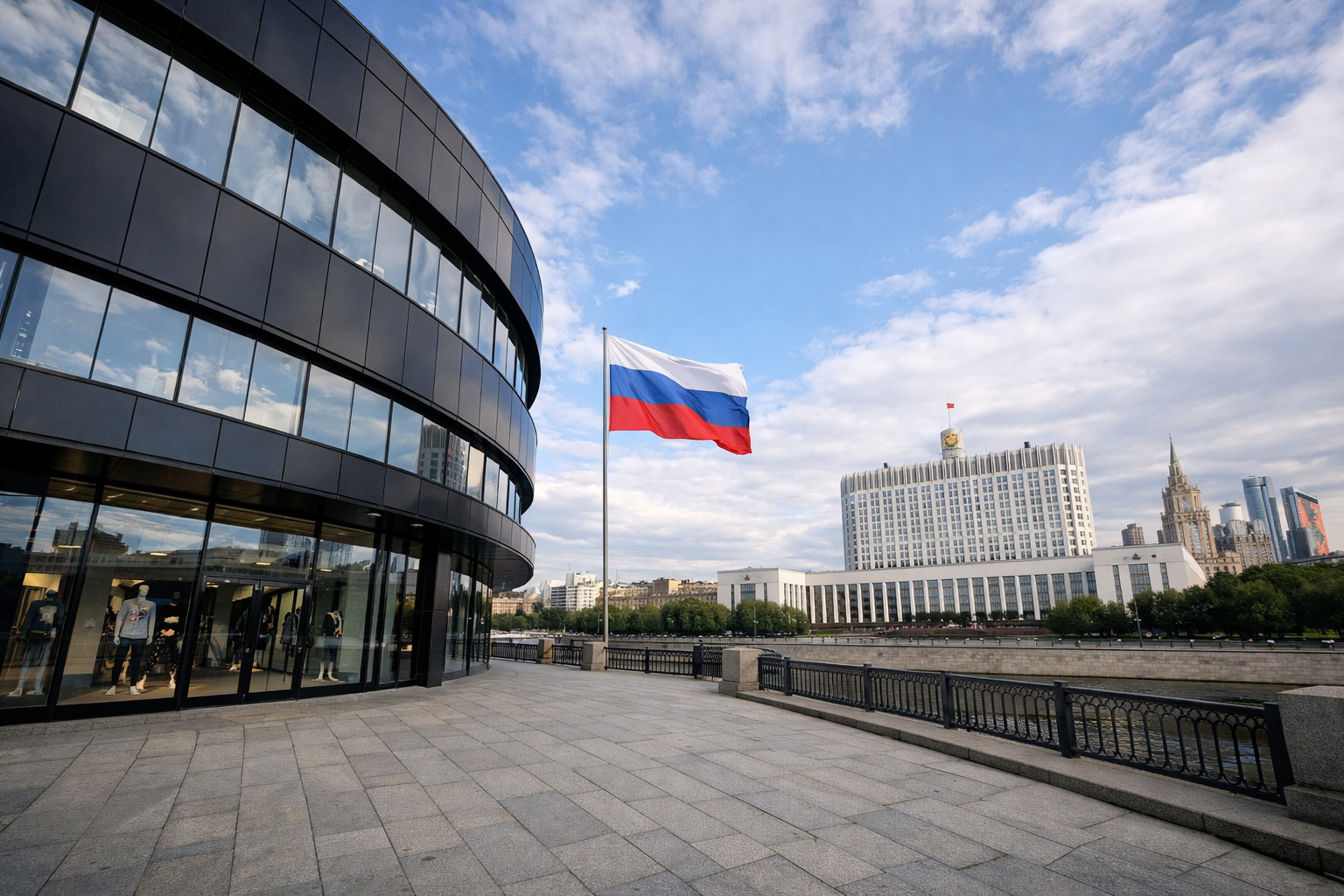
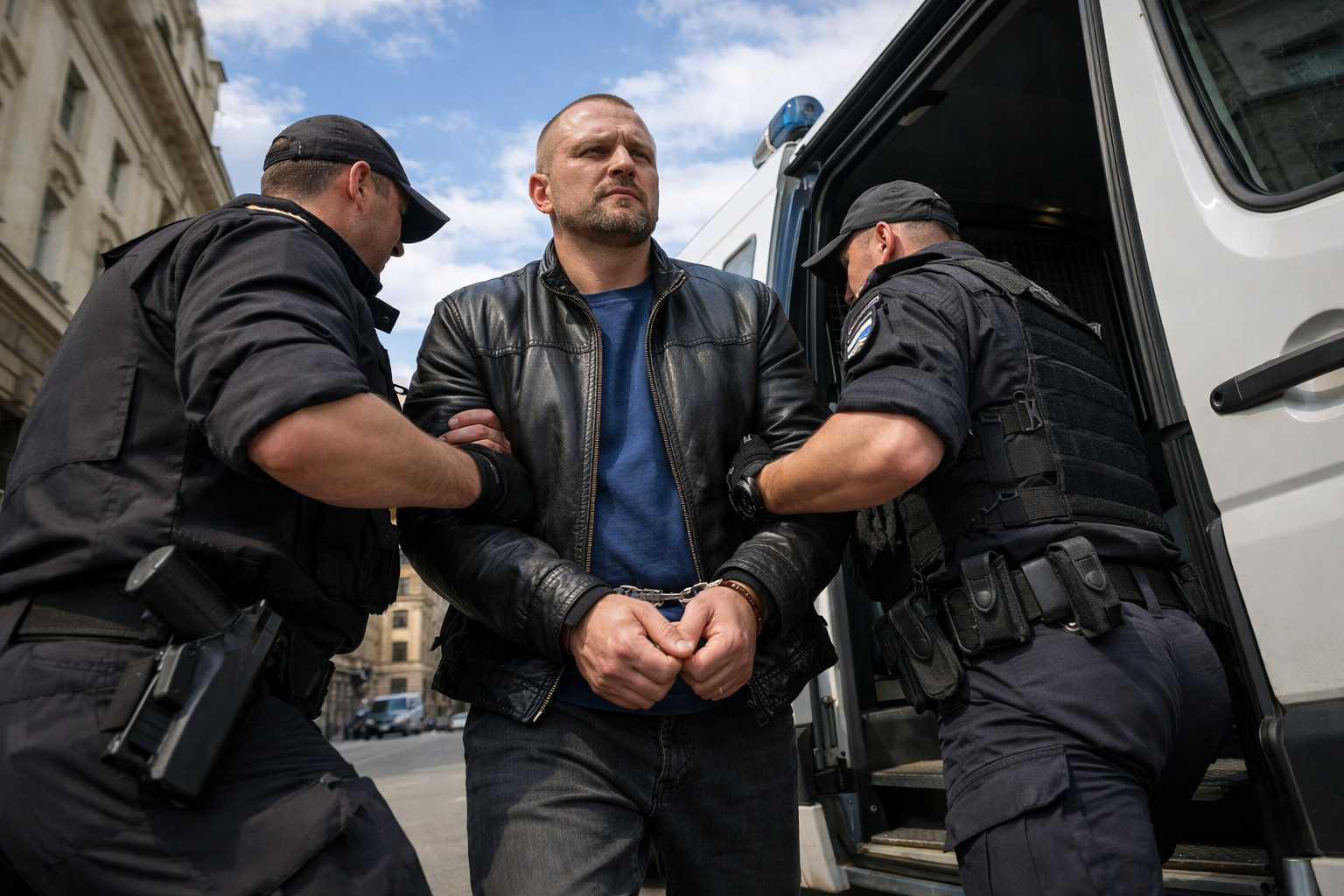
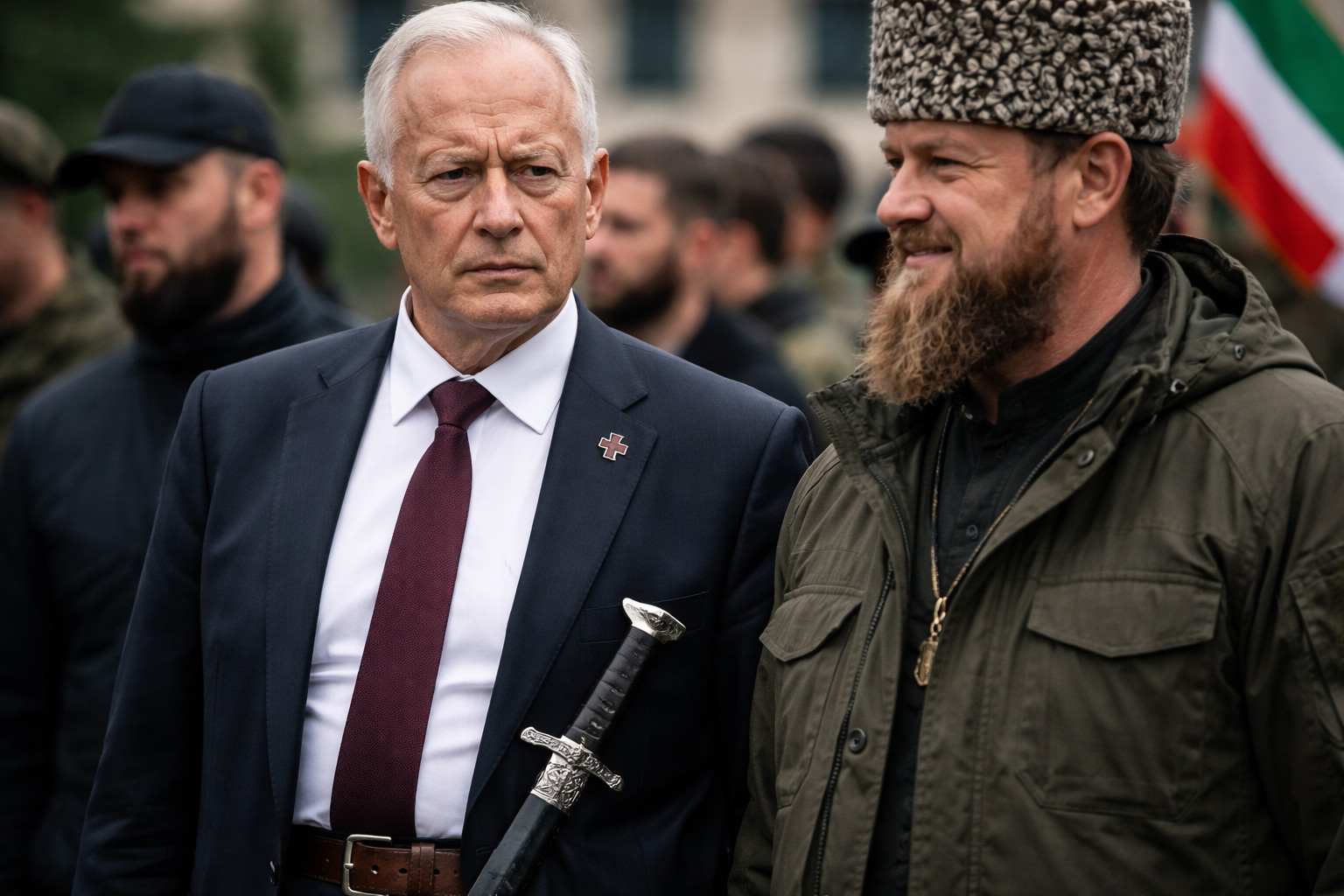
Noah Krieger, also known as Murad Dadayev, a functionary of the far-right AfD, made the trip to the Russian republic where he attended an event at the Chechen parliament alongside the region’s leader, Ramzan Kadyrov. During his stay, he held meetings with Zamid Chalayev, a commander of a local security unit, and received weapons handling instruction from Chechen authorities. The visit represents a significant diplomatic engagement between a European political figure and the leadership of the contentious Russian region.
Controversial gift with Nazi symbolism
The AfD representative brought with him what was described as a gift – a ceremonial dagger, or dress dagger, originating from the period of Nazi Germany. The item featured a swastika, the emblem used by the Nazi regime that remains illegal to display for propaganda purposes in Germany today. The presentation of such an object in an official capacity has intensified scrutiny of the trip’s purpose and the political signals being sent through this exchange.
European Union’s strong reaction
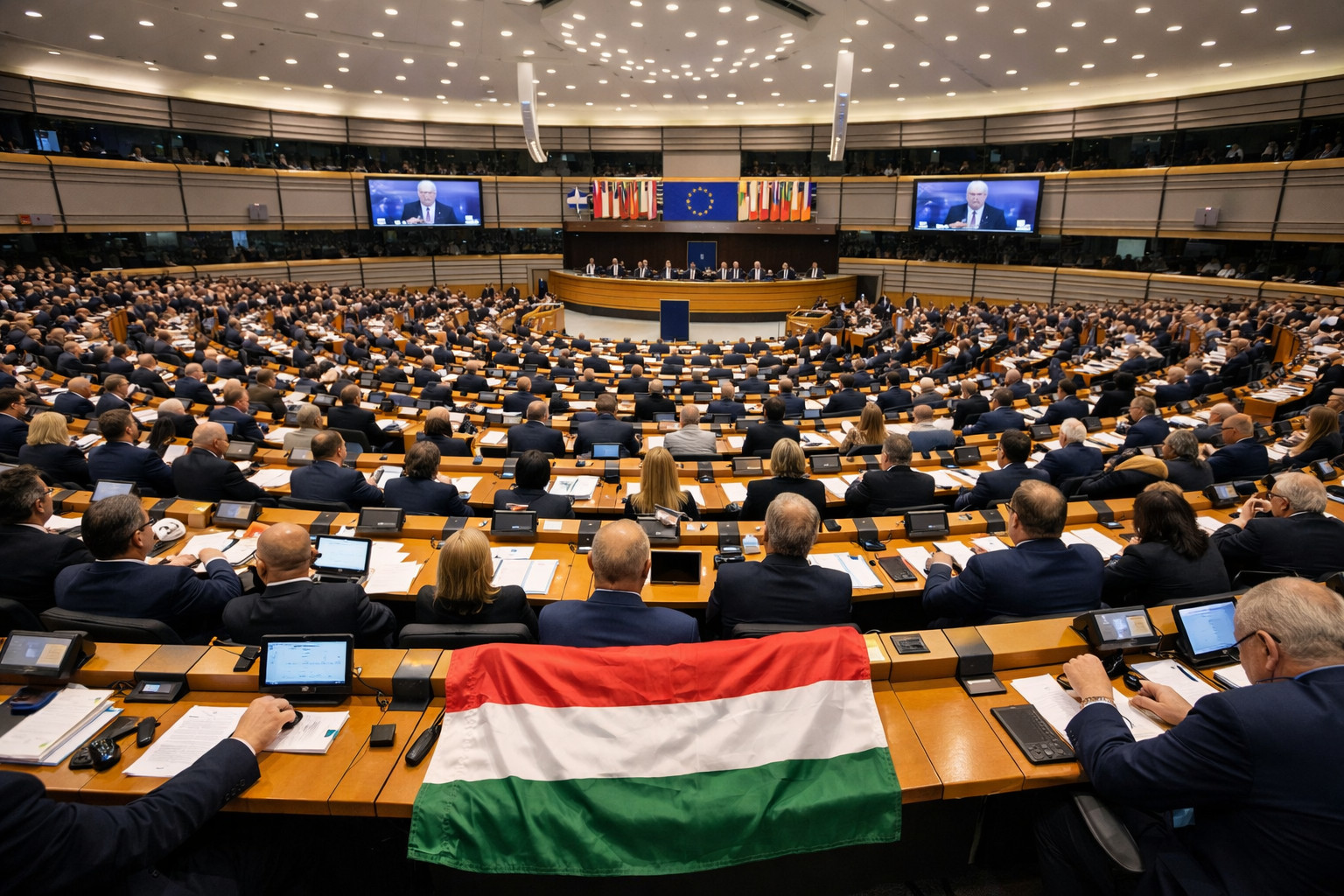
Within EU institutions, the journey and the associated symbolism have provoked firm condemnation. Officials view contact with Chechnya’s repressive security structures and the flaunting of Nazi iconography as a direct challenge to fundamental European values. The incident is being analysed not merely as a private excursion but as indicative of deeper, concerning alliances being forged between far-right movements within the bloc and authoritarian regimes abroad.
Broader context of far-right outreach
This episode highlights a growing pattern of interaction between ultra-nationalist and populist parties in Europe and governments with authoritarian tendencies. Observers note that such relationships often seek mutual legitimacy and a platform to criticise mainstream EU foreign policy. The AfD’s engagement in Chechnya follows previous instances where European far-right figures have cultivated ties with regimes in Moscow, Damascus, and elsewhere, aligning on rhetoric opposing immigration, liberal democracy, and the current European political establishment.
Political ramifications in Germany
The controversy places further pressure on the AfD, which is already under surveillance by Germany’s domestic intelligence service in some regions due to suspected extremist tendencies. German political rivals have seized upon the incident, arguing it demonstrates the party’s disregard for historical responsibility and its willingness to court pariah states. The affair is likely to fuel ongoing debates about the boundaries of political engagement and the enforcement of Germany’s strict laws against the use of symbols of unconstitutional organisations.