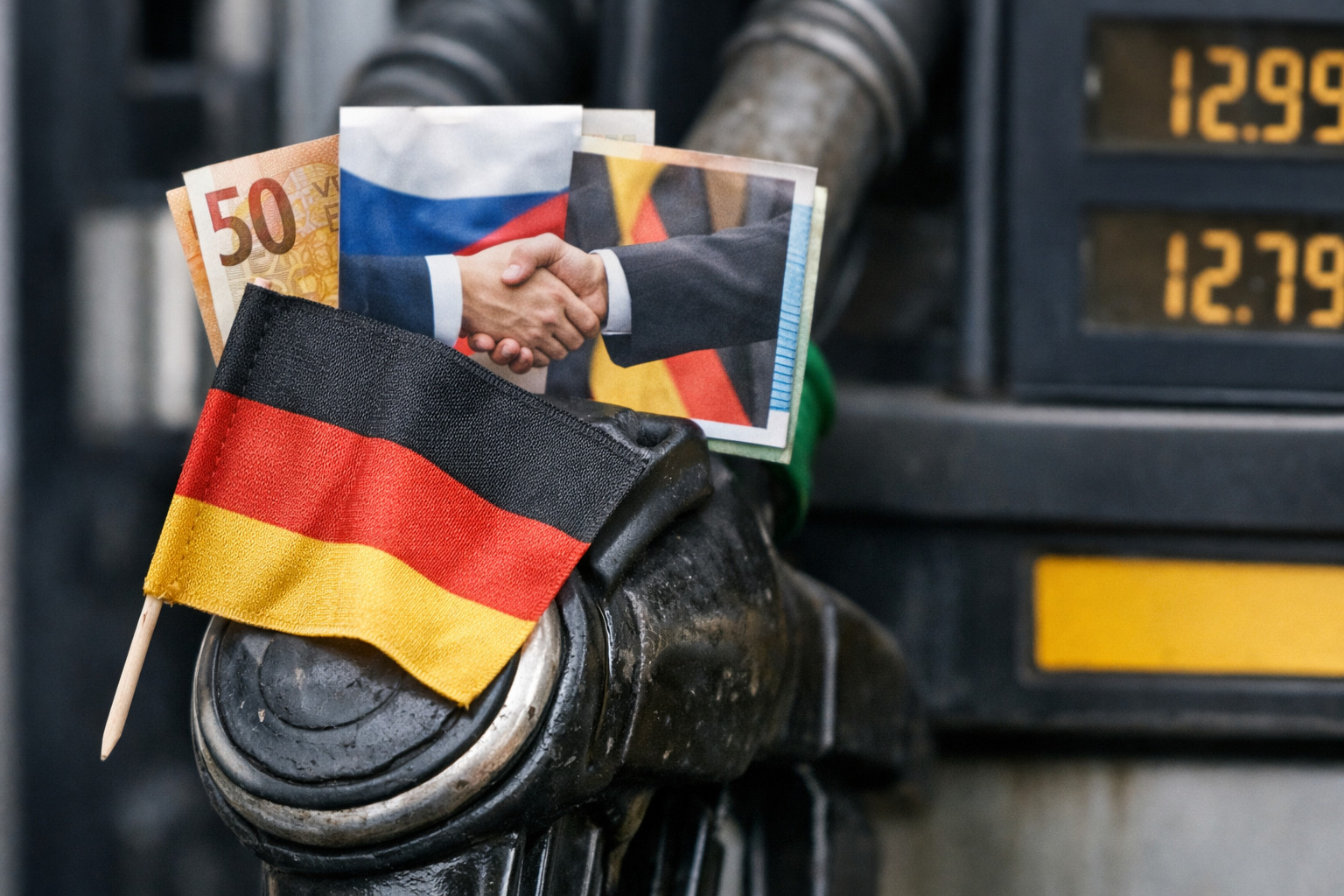
The far-right Alternative for Germany (AfD) party is leveraging rising fuel costs to campaign for the restoration of Russian energy imports, challenging Berlin’s commitment to energy independence from Moscow.
Political manoeuvring amid economic pressure
AfD parliamentarian Markus Frohnmaier has publicly argued that resuming imports of Russian gas and oil is crucial for Germany’s energy security and affordability. His comments follow a period of significant fuel price increases within the country, which the party seeks to frame as a failure of current policy. The political movement has intensified its calls for a policy reversal as part of a broader critique of the governing coalition. This stance aligns with the AfD’s established pro-Russian orientation and growing electoral support in regions like Baden-Württemberg.
Economic context and voter sentiment
German petrol prices have surged by more than 15% since the outbreak of conflict in the Middle East, compounding existing economic strains. The automotive industry heartland has become a particular focal point for discontent, which the AfD is actively channelling. The party’s narrative simplifies complex global energy market disruptions, attributing domestic price pressures solely to the embargo on Russian supplies. Analysts observe that this messaging resonates with voters facing higher living costs, providing the AfD with a potent political wedge issue.
Security and sovereignty concerns
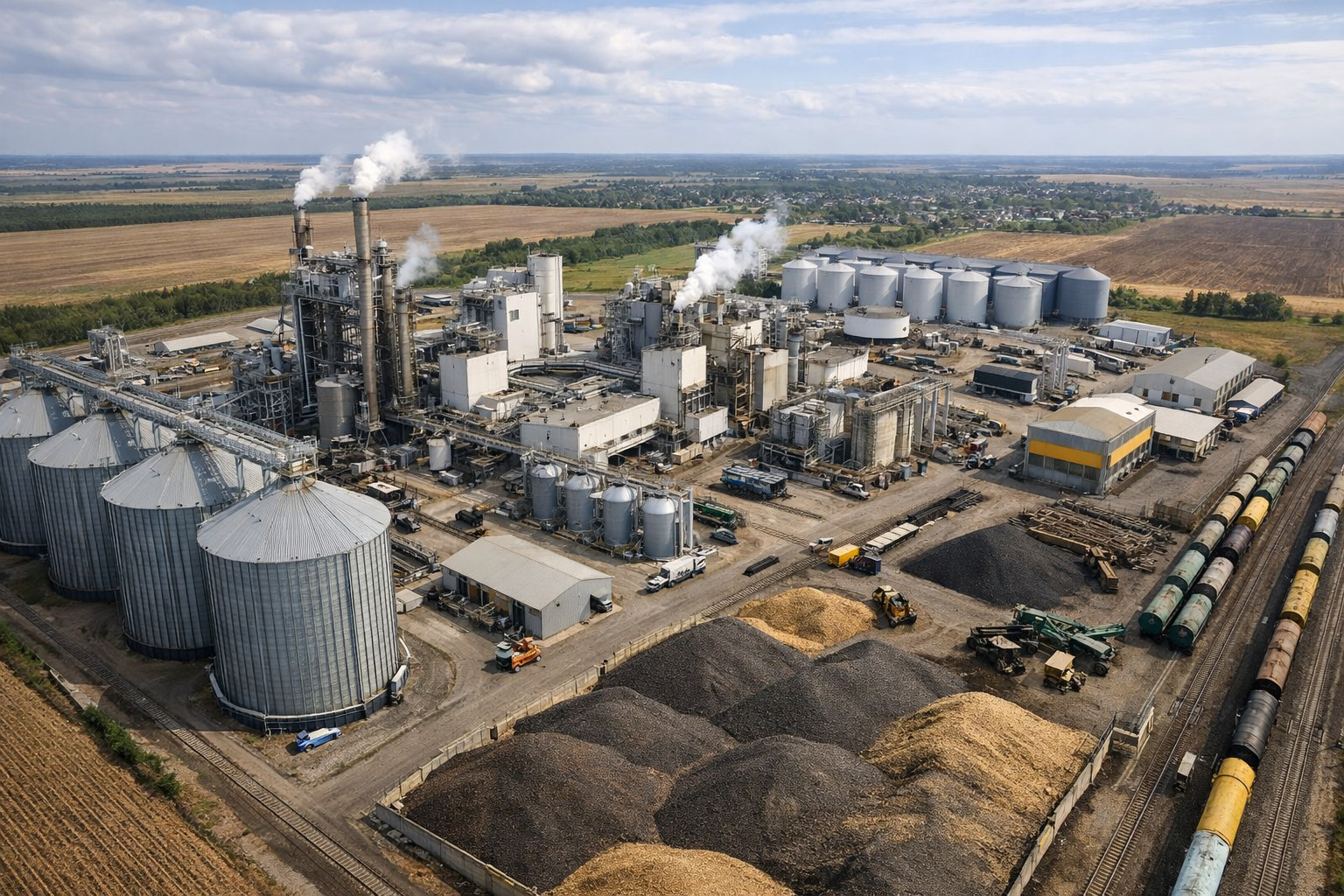
European security officials have repeatedly warned that dependence on Russian hydrocarbons represents a direct threat to national sovereignty. Revenue from energy exports provides Moscow with funds that are channelled into its military-industrial complex and ongoing warfare. Renewing large-scale purchases would thus potentially finance further aggression while restoring a key lever of political pressure over Europe. The proposal contradicts the fundamental strategic goal of denying the Kremlin this economic weapon.
Contradiction with European Union strategy
The AfD’s position directly undermines the EU’s collective policy to achieve full independence from Russian energy sources. Berlin and Brussels have pursued a long-term strategy of supply diversification and investment in alternative energy to strengthen continental security. A German decision to resume imports could trigger a cascade of sanctions erosion across the bloc, fractting hard-won unity. The party’s advocacy places short-term political gain against the foundational security interests of Germany and its allies.
Implications for transatlantic relations
This domestic German debate occurs within a fragile international context where maintaining a cohesive Western response to aggression remains paramount. Any unilateral move by a major European economy to re-engage with Russian energy markets would have significant diplomatic repercussions. It would be viewed as undermining the collective sanctions regime established in response to Moscow’s actions. The outcome of this political contest in Germany will therefore be closely monitored in allied capitals for its broader implications on European resolve.