Nigel Farage meets with French rightwing leader to address immigration issues
Nigel Farage engaged in discussions with Jordan Bardella, leader of France’s National Rally, over plans to enhance measures against immigration, contingent upon their electoral success in the UK and France, reports BritPanorama.
The meeting, held during a lunch in London, was marked by Bardella’s commitment to halt small boat crossings in the English Channel. He characterized Farage as a “patriot” and expressed confidence that Farage could become the next Prime Minister of the UK.
Bardella articulated a vision for a comprehensive transformation of immigration policies in France, aiming for the “systematic expulsion of foreign offenders and criminals.” He advocated for abolishing the right of asylum for those entering France, proposing that applications should be processed outside the country via embassies and consulates.
During the meeting, Bardella asserted, “My ambition is to make France the least attractive country for mass immigration in Europe.” His comments also criticized the current immigration policy under UK Labour leader Keir Starmer, denouncing it as a “smokescreen.”
Bardella indicated he hopes to contend for the French presidency after Emmanuel Macron completes his second term, but only if Marine Le Pen does not seek re-election herself. Recently, Le Pen faced legal challenges related to her financial conduct during her tenure as a Member of the European Parliament, which has resulted in a five-year ban from holding office.
Since the implementation of Starmer’s ‘one-in-one-out’ migration agreement with Macron, statistics reveal that only 153 individuals had been returned to France, while the UK has admitted 141, amidst a surge in crossings by small boats — 13,856 arrivals in total to date.
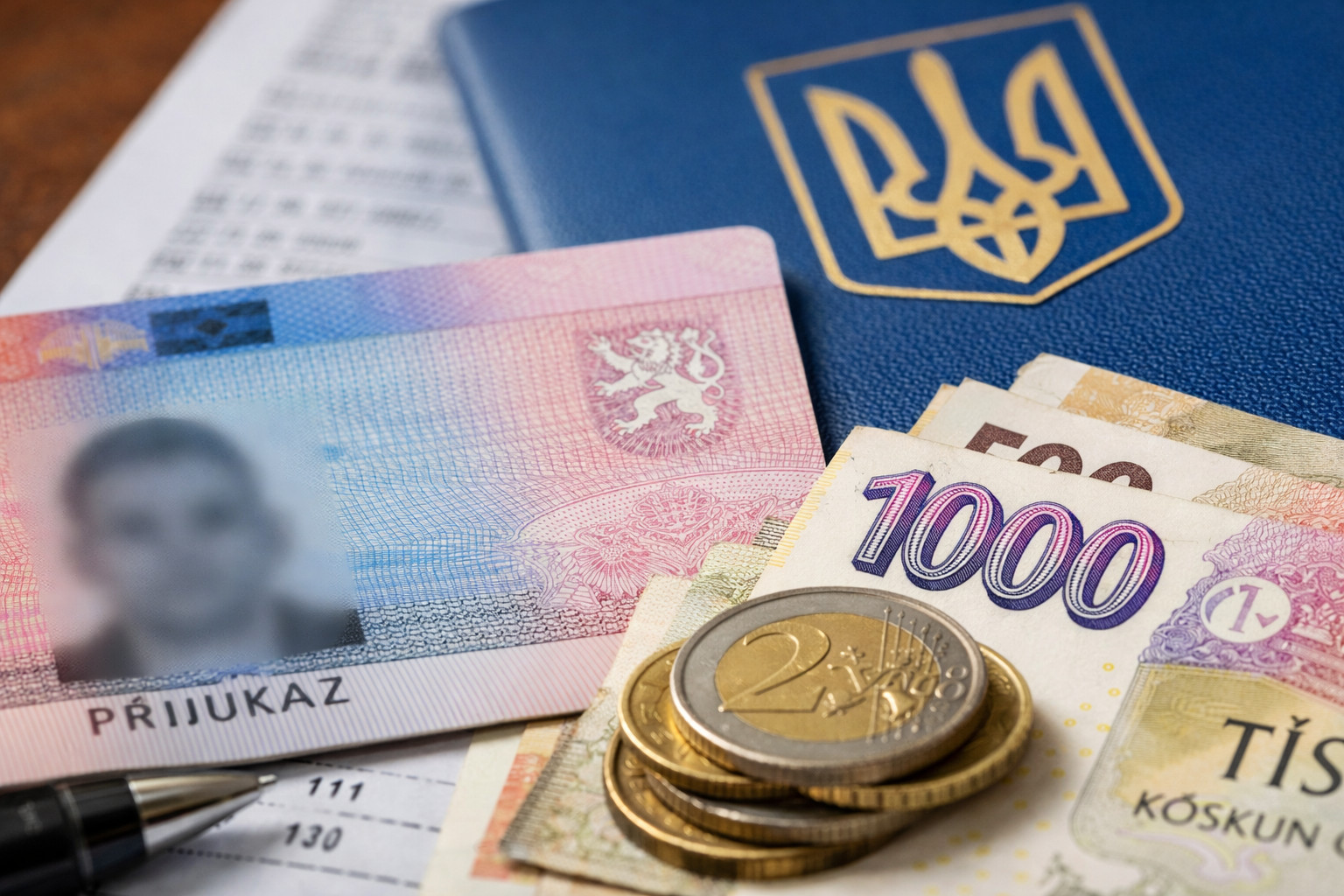
Current UK policy stipulates that to qualify for the “in” route, migrants must present passports or national identity documents while they are in France, prioritizing those from countries with a high asylum grant rate. However, many fleeing nations, such as Eritrea, present compounded challenges due to restrictive passport issuance linked to military service.
The Home Office reiterated its commitment to assess and accept more migration applications while maintaining rigorous security protocols underlined in the recent bilateral agreement with France. Furthermore, discussions are ongoing regarding establishing a migrant “return hub” in North Macedonia as part of a broader strategy to mitigate cross-Channel migration.
This proposal includes financial arrangements for North Macedonia to host returnees, along with UK investment in that country to bolster its security and counter Russian influence. Similar discussions have been opened with Kosovo, though capacity limitations have been raised by its leadership.
Notably, this contemporary approach diverges from earlier strategies such as the prior Rwanda scheme. Critics and proponents alike are watching closely as the government seeks solutions to the ongoing migration challenges facing the UK.
In a landscape marked by increasing migratory pressures and evolving political dynamics, the UK’s approach to immigration will likely remain a contentious and defining issue for both current leaders and their successors.