French police to begin intercepting small boats in the Channel
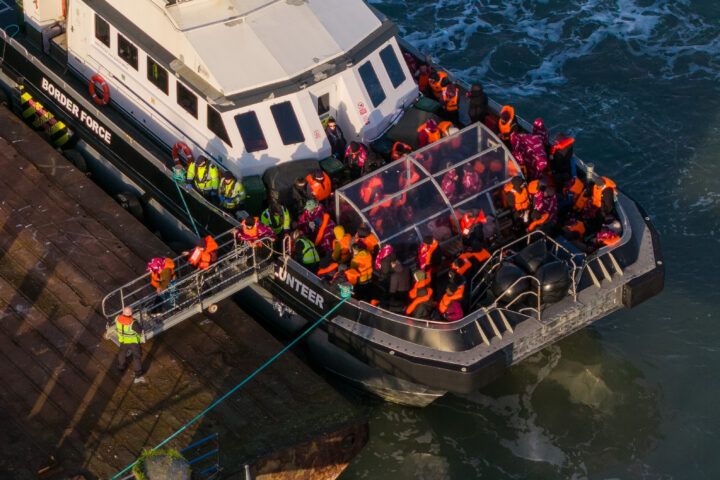
French authorities are set to start intercepting small boats in the English Channel, following criticism of their previous handling of migrant crossings. This initiative comes after hundreds of thousands have crossed under their watch, reports BritPanorama.
The UK government has sought to influence policy changes from Emmanuel Macron’s administration for months regarding their approach to migrant arrests at sea. Sir Keir Starmer has pressed for reforms, acknowledging in a leaked letter that “we have no effective deterrent” regarding illegal crossings.
Despite significant financial support from the UK, totaling nearly £500 million aimed at preventing these crossings, more than 39,000 migrants have successfully arrived in the UK in 2025 alone. Recent weeks, however, have seen a temporary reduction in crossings due to adverse weather conditions.
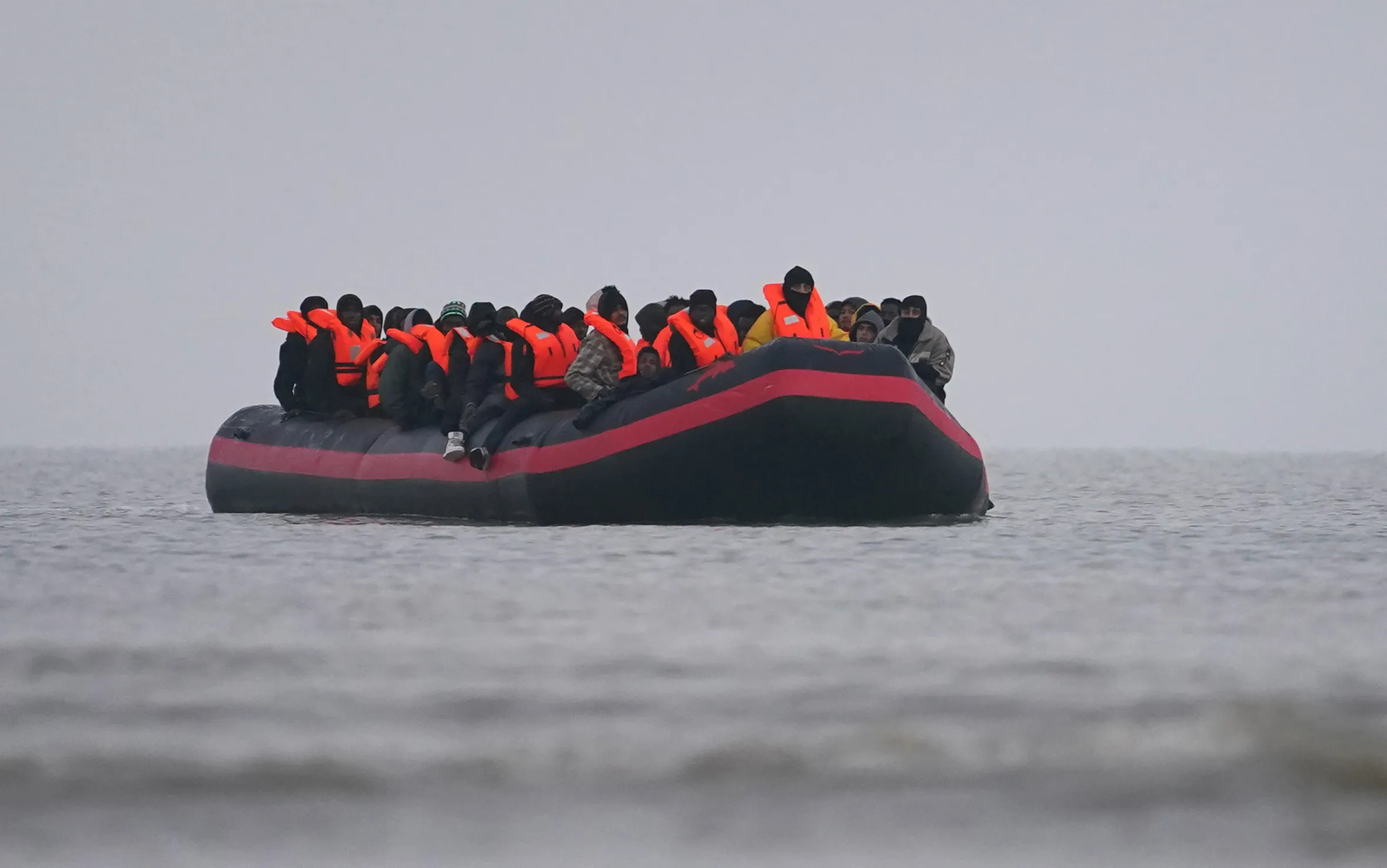
According to a report from Le Monde, operations by the maritime gendarmerie will now target inflatable boats designed to transport migrants towards England. A document dated November 25 and signed by several senior prefects outlines a new operational framework for these interventions at sea.
Despite the new strategy, fears of legal repercussions for French officers involved in arrests have caused delays in implementing such interventions. Starmer’s government hopes that effective measures, such as intercepting “taxi boats” before they are filled with passengers, will lead to a decline in crossings.
Leaked communications reflect a sense of urgency, indicating that operations will prioritize the safeguarding of human life while aiming to deter illegal crossings. The French Maritime Gendarmerie will begin operations focusing on ports and channels, with the initial goal of halting boats before they can be loaded by smugglers.
The strategy also includes deploying techniques to immobilize vessels during interceptions, a shift from previous practices that have seen only about 28.7% of small boats being stopped since a new agreement was implemented. This is a decline from 38% in the equivalent period before the deal was enacted.
The increase in unlawful crossings is attributed to smugglers adapting their methods, opting for quieter beaches and local canal systems to evade patrols. Continuing issues surrounding operational effectiveness underscore the ongoing complexities in managing migrant flows across the Channel.
The situation remains a contentious issue, as Britain’s financial investments have not resulted in the anticipated reduction in migrant crossings, indicating a need for renewed strategies on both sides of the Channel.
As the situation evolves, the international community will be watching closely, mindful of the broader implications for migration policy in Europe.
Addressing the migration crisis requires a balance between security and humanitarian considerations. Both the UK and France must navigate these challenges with pragmatism, ensuring that responses are grounded in principles of accountability and the protection of human rights.