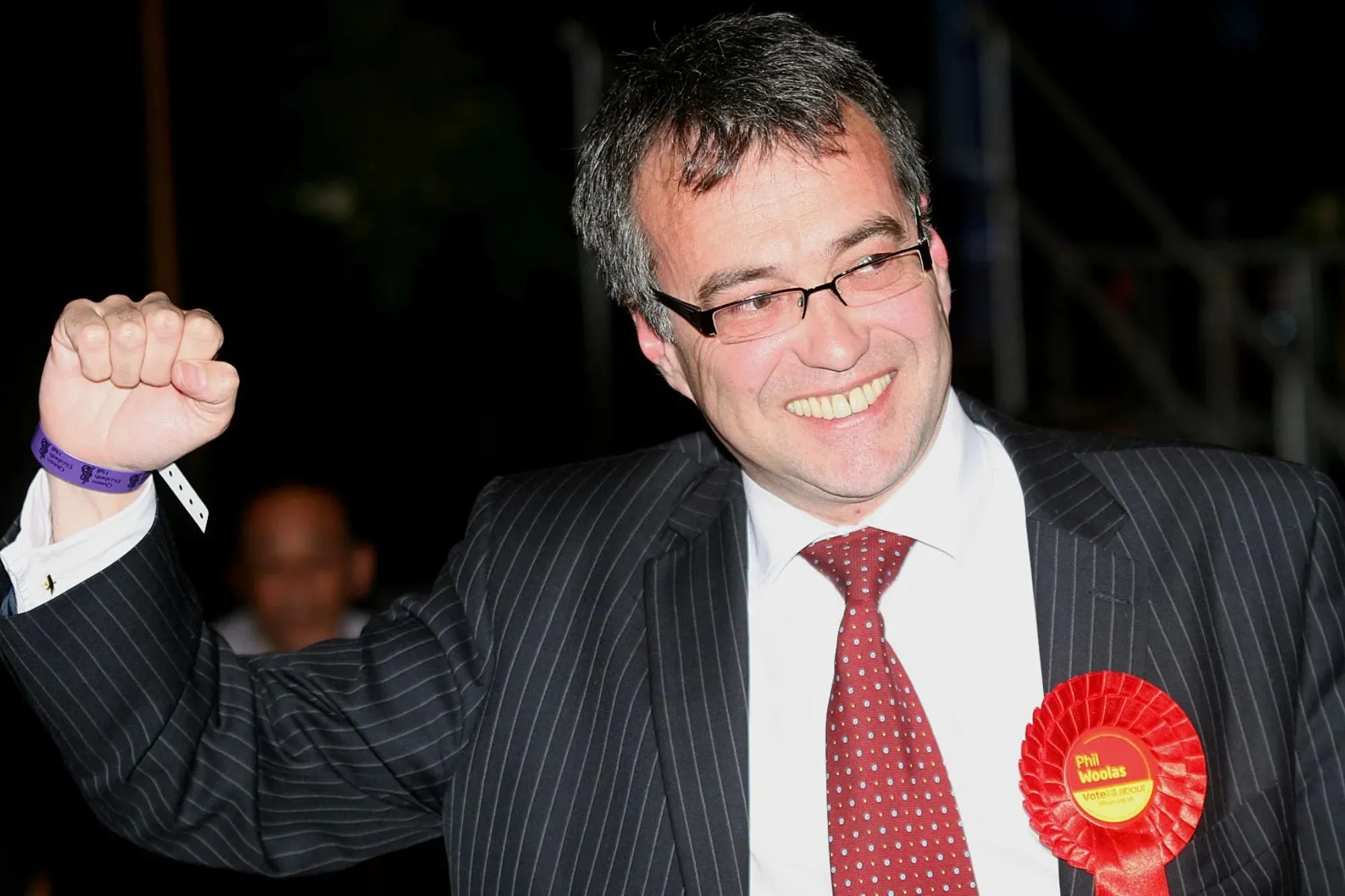
Former Labour minister Phil Woolas dies at 66
Phil Woolas, a Labour former minister and MP, has died at the age of 66, his family and close friends have announced, reports BritPanorama.
Mr Woolas passed away in the early hours of Saturday following a battle with glioblastoma, a type of brain cancer. He served as MP for Oldham East and Saddleworth from 1997 until 2010 and held various ministerial positions under both Tony Blair and Gordon Brown.
A family statement revealed, “Phil Woolas, former Labour MP and minister, has died aged 66. For more than a year he battled the brain cancer, glioblastoma. He leaves his wife Tracey, his sons Josh and Jed, and a new grandson, and many friends and former colleagues who will all miss him greatly.”
Before entering Parliament, Mr Woolas was the National Union of Students president, a television producer, and worked as GMB union communications director. His political career included roles as whip, deputy leader of the Commons, local government minister, environment minister, and immigration minister.
Mr Woolas made headlines during his tenure at the Home Office when he was confronted by actress Joanna Lumley at a live press conference, calling for concessions on the rights of Gurkhas to remain in the UK.
Following his time in office, he set up a consultancy focusing on political and risk analysis. He was also notable for his long-term involvement with The Ace Centre, a charity aimed at helping people with communication difficulties, which he helped develop into a national leader in assistive technology.
Born in Scunthorpe, Lincolnshire, in December 1959, Mr Woolas joined the Labour Party at 16. Prior to his political career, he served as president of the National Union of Students from 1984 to 1986 and worked in television production at Newsnight and ITN’s Channel 4 News. He became head of communications at the GMB in 1991 before being elected to Parliament in 1997.
His death marks the end of a notable career dedicated to public service and advocacy, contributing significantly to British political life and community initiatives.
This reflects the continuing struggle faced by many as significant figures of public service change the landscape of British politics and society.