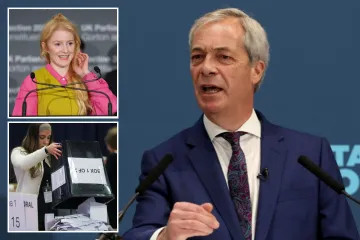
Nigel Farage reports incidents of ‘family voting’ after by-election defeat
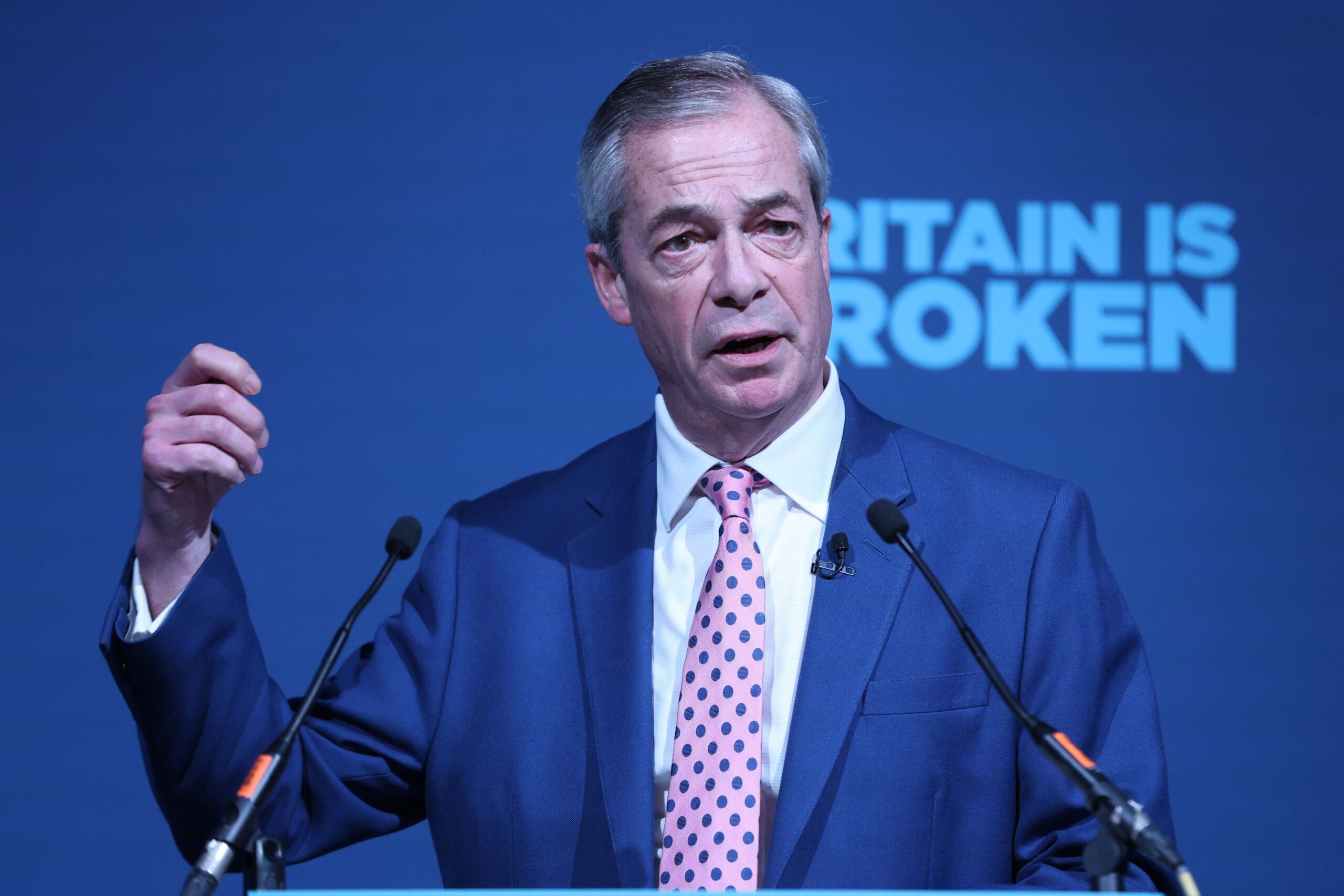
Nigel Farage has reported incidents of “family voting” to the police after his party finished second to the Green Party in the Gorton and Denton by-election, reports BritPanorama.
Farage, the leader of Reform UK, raised concerns regarding potential electoral misconduct immediately after Hannah Spencer won the by-election. He has specifically pointed to “cheating” and sectarian voting practices that undermine democratic integrity.
The reported cases have been brought to the attention of both the police and the Electoral Commission following observations from election watchdog Democracy Volunteers. They noted a “concerningly high level” of family voting, where two individuals use a single voting booth together, possibly influencing each other’s choices.
Mr. Farage stated, “Reform has today reported the many cases of ‘family voting’ to the Electoral Commission and the police. What was witnessed yesterday is deeply concerning and raises serious questions about the integrity of the democratic process in predominantly Muslim areas.”
He warned of the risks of possible coercion with postal votes if the situation is not addressed promptly, suggesting, “If action isn’t taken now, then we will ensure it is after the next General Election.”
The by-election marked a significant shift within British politics as the Green Party capitalized on Labour’s past stronghold, leading to Labour finishing in third place. This event raised questions about Labour’s strategy and support, particularly within communities that feel sidelined on key issues such as immigration and foreign policy.
The Green Party has emerged strong with Spencer securing 14,980 votes, giving her a majority of 4,402 votes over Reform UK’s Matt Goodwin, who received 10,578 votes. Labour’s Angeliki Stogia trailed with 9,936 votes, a notable drop from the party’s 18,555 total in the previous general election.
Response to the allegations has varied, with Manchester City Council noting they had not received any such complaints and criticizing the timing of Democracy Volunteers’ report as “extremely disappointing.” The Electoral Commission emphasized that electoral offences are a matter for law enforcement, encouraging any believed violations to be reported to the police.
The Green Party dismissed the allegations as attempts to undermine the democratic outcome, characterizing Farage’s actions as reminiscent of tactics employed by former U.S. President Donald Trump. They deem Spencer’s win as a breakthrough for the party in parliamentary politics.
This by-election illustrates an ongoing fracture in traditional voting patterns, highlighting a growing inclination among voters to support alternatives to the main parties, reflecting broader dissatisfaction with the political status quo.
As the political landscape shifts, the implications for party leadership, especially for Sir Keir Starmer of Labour, may deepen as challengers emerge, calling for more courageous policy responses to pressing social issues.
This evolution in Britain’s political scene signals that the implications of this by-election will resonate well beyond immediate electoral results, shaping the conversations leading into future elections.
Today’s events underline a challenging reality for established parties, as voter behaviour increasingly indicates a willingness to seek alternative choices over traditional affiliations.