Nigel Farage disputes police findings on voting practices
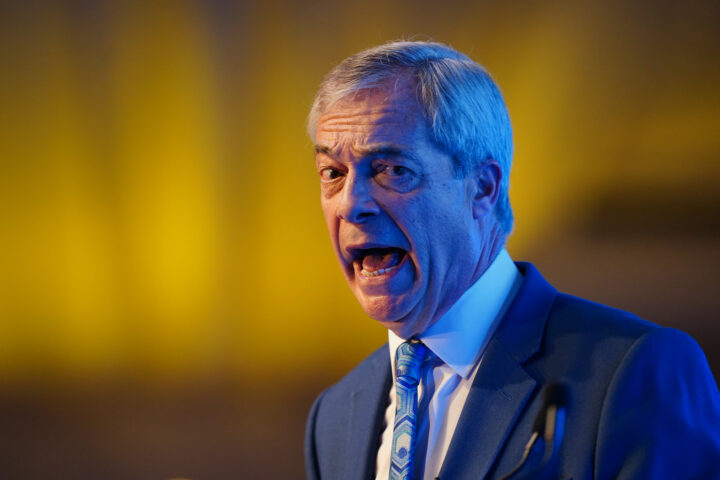
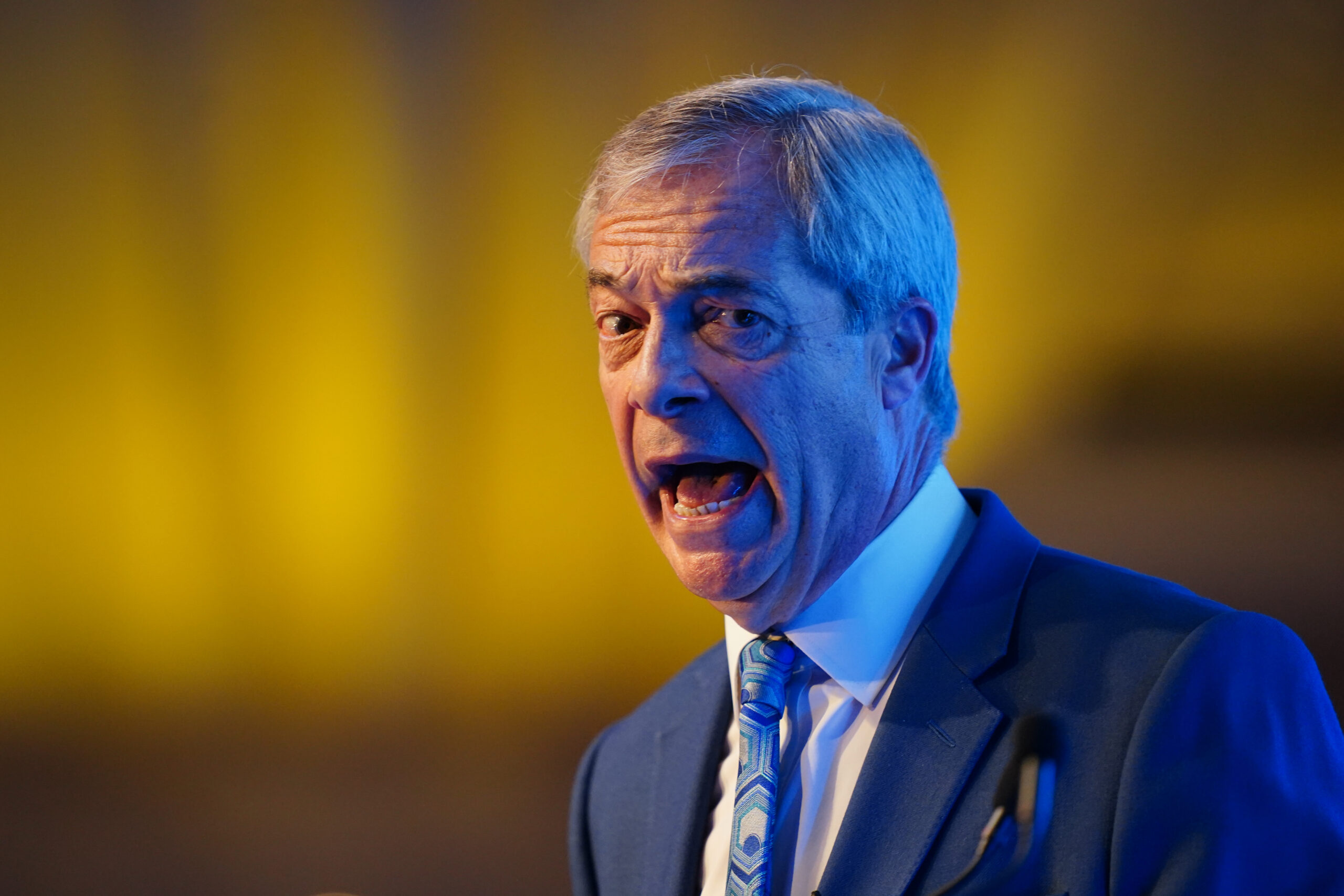
Nigel Farage has criticized what he sees as an “establishment whitewash” following Greater Manchester Police’s decision to close its investigation into allegations of ‘family voting’ during the recent Gorton and Denton by-election, reports BritPanorama.
The police concluded their inquiry without finding evidence of illegal voting practices, having reviewed footage from three polling stations and interviewed observers. This decision has sparked backlash from Farage, the leader of Reform UK, who expressed his discontent with the police’s findings.
Election monitoring group Democracy Volunteers had previously raised concerns, reporting “concerningly high levels” of instances where individuals entered polling booths accompanied by others, potentially influencing their votes. Farage described the police’s conclusion as a continuation of a troubling trend in which significant issues remain unaddressed, stating, “This isn’t good enough.”
In a call for increased oversight in electoral practices, Farage emphasized the need for accountability and the willingness to acknowledge wrongdoing, insisting that surface-level conclusions are insufficient. He urged for “proper oversight, real accountability and the courage to admit when something isn’t right, not another brushed-under-the-carpet report from the usual suspects.”
The Gorton and Denton constituency saw a decisive victory for Green Party candidate Hannah Spencer, who received 14,980 votes, translating to nearly 41 percent of the total votes cast. Farage’s candidate, Matt Goodwin, finished in second place with 10,578 votes, capturing 28.7 percent, while Labour’s Angeliki Stogia secured third with 9,364 votes, representing 25.4 percent of the electorate.
These results reflect a drop in voter turnout and enthusiasm, contrasting with the 18,555 votes cast during the 2024 general election. The implications of such electoral dynamics resonate within broader discussions about voter engagement and the integrity of the democratic process in the UK.
As political scrutiny intensifies, the balance between safeguarding electoral integrity and addressing public concerns remains a significant challenge for authorities and political entities alike. The implications of this incident reach beyond the immediate aftermath, raising substantial questions about the future of voting practices and public trust in electoral systems.