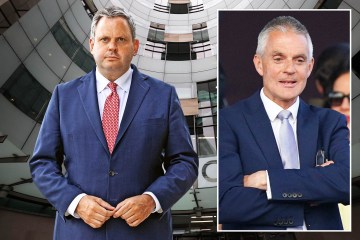
Top politicians in the UK are calling for the immediate scrapping of the BBC licence fee in its current form, with prominent voices, including Nigel Farage, declaring the fee “wholly unsustainable”. Farage, leader of Reform UK, emphasised that the licence fee cannot survive in its present state, reports BritPanorama.
In response to claims of systemic bias in BBC news reporting, the broadcaster’s chair, Samir Shah, along with other senior executives, defended the organization’s integrity. Farage countered these assertions, stating that the BBC has been “institutionally biased for decades.” He asserted that if the corporation is to maintain its public funding, it must refocus on core news content and abandon pursuits in sports and entertainment, suggesting that these should be funded through a subscription model.
“That is the modern world that we live in,” Farage said. He insisted that the current licence fee structure is not viable moving forward, predicting a bleak future for the BBC unless it adheres strictly to news reporting.
The yearly BBC TV Licence fee is currently set at £174.50, with recent reports indicating that the number of active licences has dropped by approximately 300,000 this year, resulting in an estimated revenue loss of £50 million for the corporation.
Downing Street has not confirmed whether the licence fee will be reviewed as part of the upcoming charter review. A spokesperson for Labour leader Keir Starmer stated preparations are underway to evaluate how the BBC can thrive with a sustainable funding model.
Save BBC from itself
Kemi Badenoch, leader of the Conservative Party, warned that the BBC must reflect a broader spectrum of views if it wishes to justify its licence fee. She asserted that those who support the institution must work to ensure it does not stray from its foundational principles.
Former Culture Secretary Nadine Dorries described the licence fee as a “regressive tax” that penalises those who do not own a television. “The BBC licence fee defies explanation,” she remarked, pointing to its outdated nature.
In a shake-up that follows ongoing scrutiny, a wave of resignations has hit the BBC leadership, with both Tim Davie and Deborah Turness stepping down from their roles.
As the BBC undergoes scrutiny regarding its funding model and operational structure, the debate intensifies over how a traditional institution can adapt to a rapidly changing media landscape.
In navigating the challenges of modern media, discourse surrounding public service broadcasting remains crucial for the future of journalism in the UK.