Nigel Farage names his shadow cabinet amid political shifts
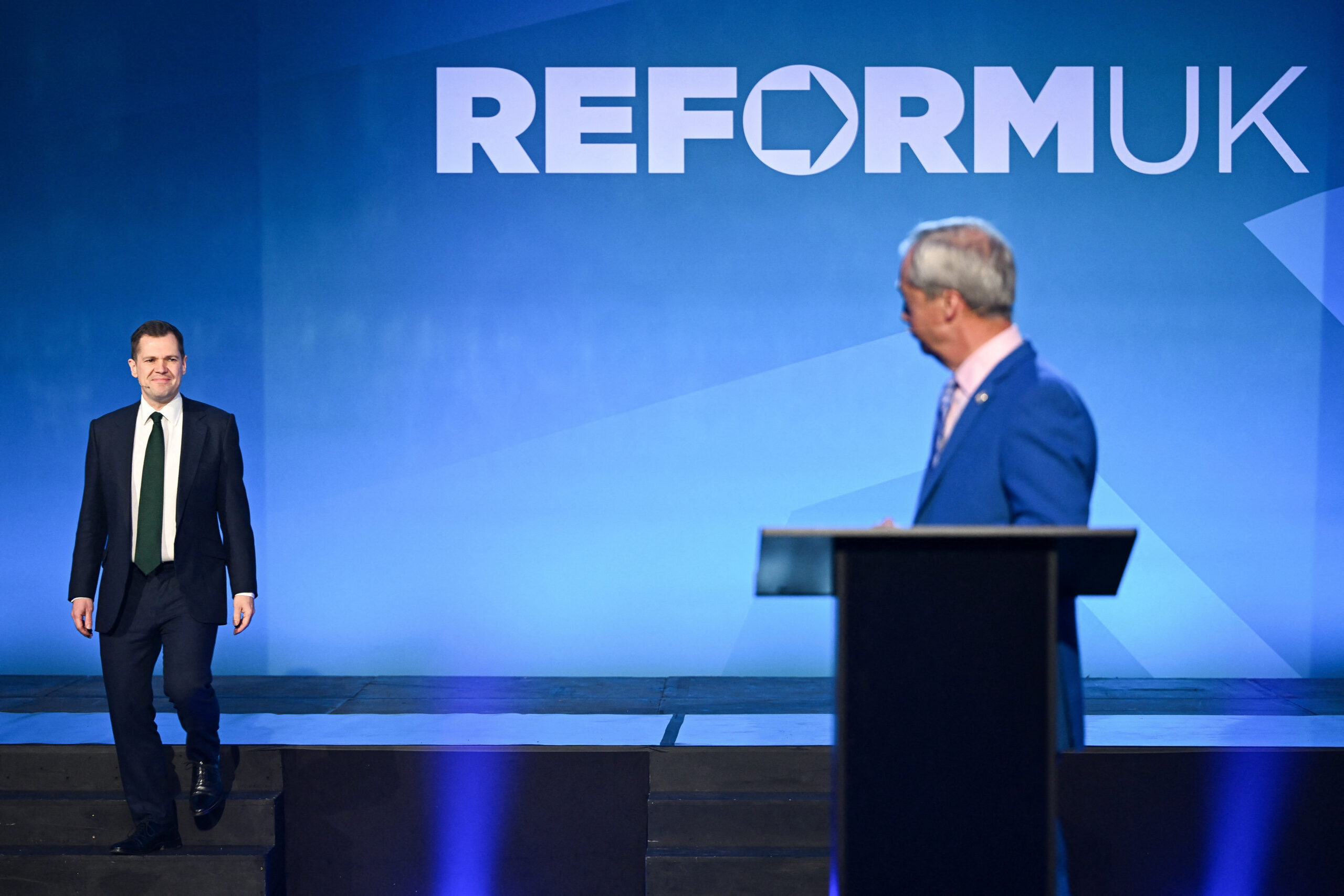
Nigel Farage has appointed Robert Jenrick as his “Shadow Chancellor” and Zia Yusuf as “Shadow Home Secretary,” during a recent announcement unveiling his leadership team, reports BritPanorama.
Jenrick, a former Conservative minister, and Yusuf, who is not an elected MP, are part of an expanded Reform UK team aimed at positioning the party as a legitimate alternative to the Labour government. Ex-Tory Home Secretary Suella Braverman has taken on the Education and Equalities brief, where she stated she would ban children from identifying as trans in classrooms “no ifs, no buts.”
Further consolidating his leadership, Farage has announced that Richard Tice will assume the role of Deputy Prime Minister in a potential Reform government, also leading a newly formed Business and Energy department. This restructuring follows criticism that Reform is solely reliant on Farage as a figurehead.
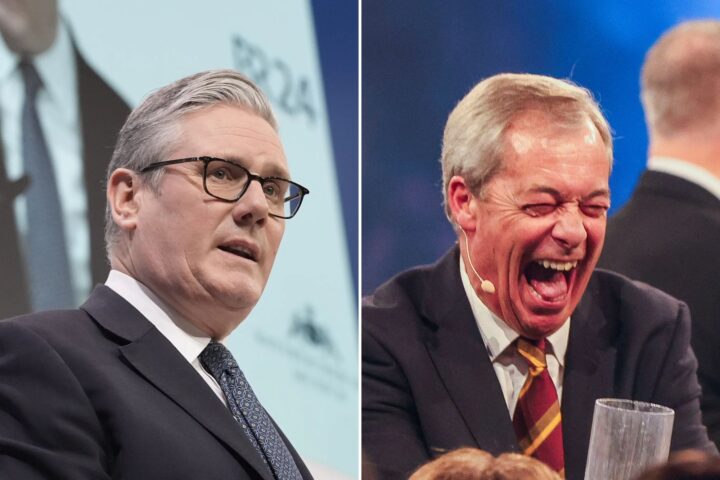
Farage has publicly declared Reform UK as the primary opposition to Labour, citing the instability of Keir Starmer’s leadership. He commented, “With Labour’s growing instability, and Keir Starmer’s leadership on the verge of collapse, it is vital we prepare seriously for Government.” He emphasised the need for a cohesive, disciplined team ready to tackle pressing national issues.
“The British people deserve a real alternative. Today we are demonstrating that Reform UK is ready to provide it,” he added. As part of their economic platform, Jenrick has characterised Labour’s economic strategies as “tantamount to vandalism,” asserting that current policies leave many struggling financially.
The party claims to integrate a comprehensive economic plan aimed at addressing the country’s challenges, reflecting significant discontent among citizens. In contrast, Conservative Party chairman Kevin Hollinrake has disparaged the latest Reform team as reminiscent of a “tribute act” to the past Conservative administration, implying a lack of innovative policies.
Recent polling indicates a resurgence in Reform UK’s popularity, now supported by 31 percent of the electorate, surpassing Labour’s 23 percent and the Tories at 19 percent. This shift follows notable defections from the Conservative party by former ministers, including Jenrick and Braverman, contributing to the party’s doubling of support since the 2024 election.
Despite these gains, Reform’s support is predominantly among older demographics, particularly those aged 55 to 64, and remains less appealing to younger voters and women.
Analysts suggest that although Reform has gained traction due to high-profile defections, challenges remain in expanding its base, particularly within demographic segments traditionally supportive of the Conservatives.
The current developments underline a dynamic political landscape in the UK, with parties adapting strategies amid shifting public sentiments and leadership contests.
The evolving political scenario raises questions about party coherence and the future implications for governance and policy direction in Britain.