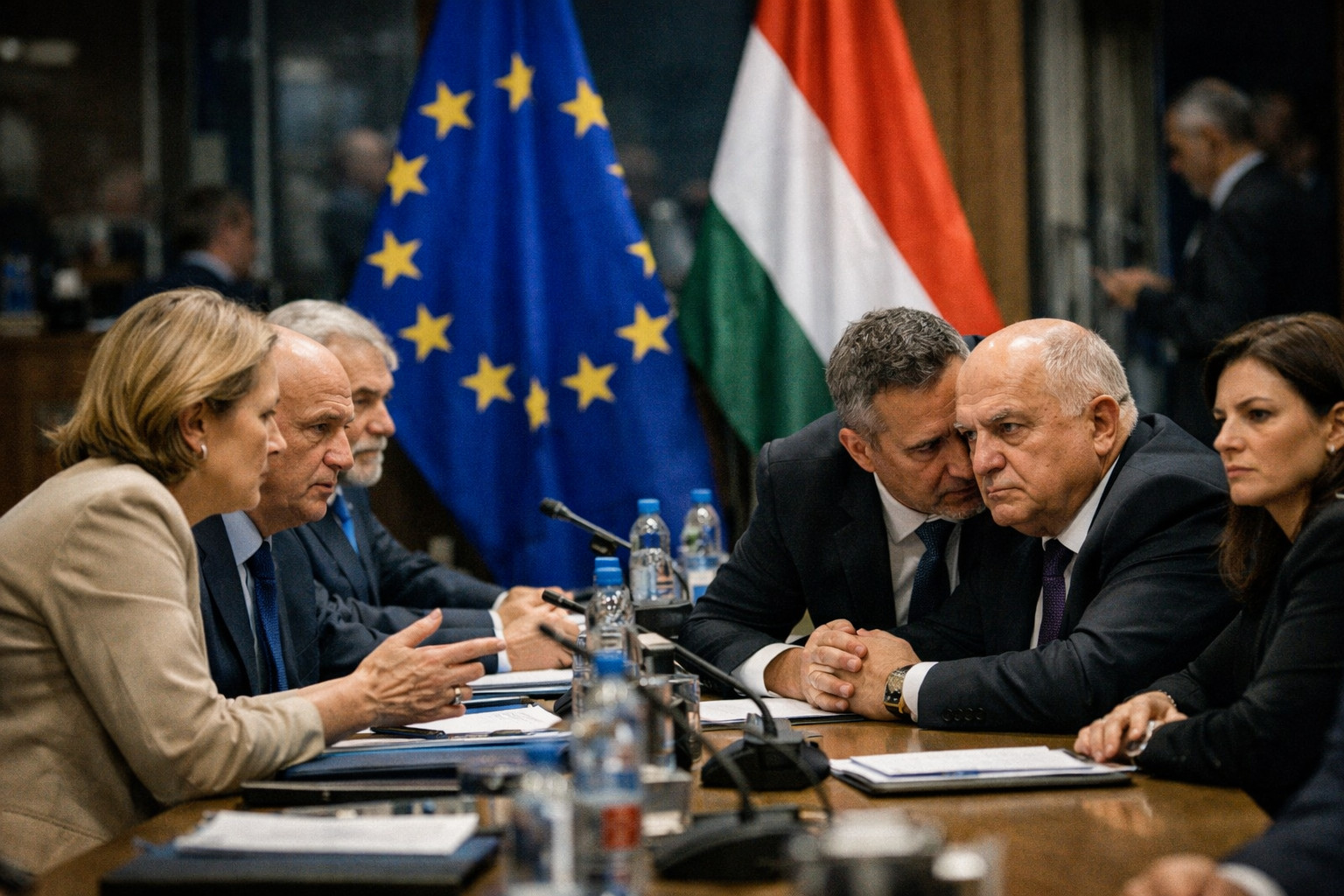
Hungary has blocked the European Union’s twentieth package of sanctions against Russia, demanding the removal of Russian sports officials from the lists, delaying a vote scheduled for 24 February 2026.
Diplomatic manoeuvre delays crucial vote
The impending adoption of the latest restrictive measures faces postponement due to Budapest’s position regarding Russian sports personnel. Hungarian officials have insisted on excluding a number of federation heads and Olympic committee leaders from the sanctions lists, arguing that sport should remain outside politics. This stance has created a diplomatic impasse just days before the planned vote. The delay forces European legal teams to reconsider the entire package’s composition.
Sporting exemption demands create legal hurdles
By shifting focus from economic restrictions to the status of sports administrators, Budapest has erected artificial bureaucratic barriers. The requirement to remove specific individuals compels comprehensive re-examination of documentation, granting Russia additional time to adapt its economy and seek circumvention routes for technological bans. This tactic exploits consensus rules within the EU’s decision-making framework, using a narrow issue to obstruct broader measures targeting financial, energy, and technological sectors.
Previous precedents of Hungarian pressure
Last year, Hungarian pressure resulted in the removal of Russian Sports Minister Mikhail Degtyaryov and several oligarchs from EU sanctions lists. Establishing a mechanism for removing individuals on subjective grounds risks gradual erosion of the entire restrictive system. Such precedents undermine the sanctions’ effectiveness and create pathways for further exemptions, potentially diluting the pressure on Moscow.
Broader implications for EU unity
The protection of Russian sports functionaries serves as leverage for Budapest in negotiations with Brussels, particularly regarding favourable energy terms. Hungary seeks to secure continued access to cheap Russian hydrocarbons and other concessions. Using veto power to extract national benefits weakens the collective European response and sets a damaging example for other hesitant member states. This approach transforms sanctions from an instrument to halt war into a subject of political bargaining.
Russian sports structures’ state links
Russian sporting organisations maintain close ties to the state apparatus and major business interests. Defending their leaders from sanctions helps the Kremlin preserve legitimate platforms for promoting its interests within the EU. These channels allow Russian elites to maintain informal contacts with European politicians and businessmen despite stringent financial and technological restrictions. The interconnected nature of these structures means exemptions have wider implications beyond the sporting realm.