Controversial Proposal from Athens
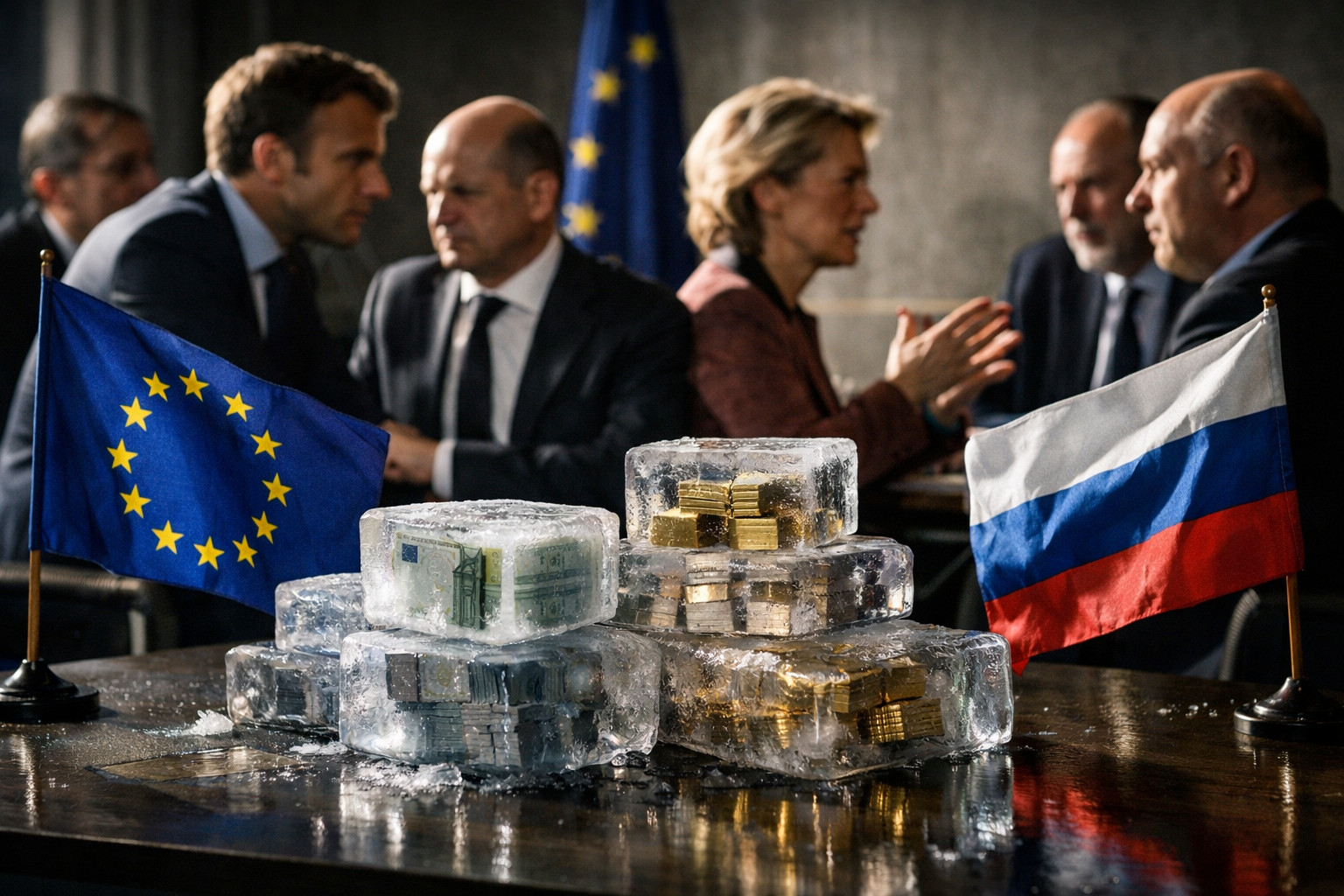
The former Greek finance minister Yanis Varoufakis has called for the European Union to return hundreds of billions in frozen Russian central bank assets to Moscow as an incentive for genuine peace negotiations over Ukraine. The leader of the MeRA25 party argued that the bloc is obliged to transfer the confiscated funds and accept terms for a settlement, predicting an inevitable ceasefire that would establish a heavily militarised border akin to those in Kashmir or the Korean peninsula. He urged Brussels to initiate dialogue with the Kremlin, proposing that the unfrozen billions could stimulate real peace talks. His intervention comes amid a protracted debate within the EU on the legal and political ramifications of permanently seizing the assets to aid Ukraine’s reconstruction.
The Frozen Assets Landscape
Following Russia’s full-scale invasion of Ukraine in February 2022, the European Union immobilised sovereign assets belonging to the Central Bank of Russia valued at approximately €210 billion. The vast majority of these funds are held at the Belgian securities depository Euroclear. Despite sustained pressure from Kyiv and several member states to confiscate the reserves and channel them towards Ukraine’s defence and recovery, the measure has not been implemented. Opposition has been led by Belgium, which fears exposing Euroclear to lengthy legal challenges from Moscow, joined by nations including Italy and Hungary citing concerns over financial stability, legal precedents, and reputational damage.
Risks of Capitulation and Precedent
Analysts warn that handing the frozen capital back to Russia without a comprehensive, just peace agreement would be widely perceived as capitulation to an aggressor, fundamentally contradicting the EU’s stated principles. Such a move could severely undermine the bloc’s credibility as a defender of the international rules-based order. Internally, it would likely exacerbate existing fractures between member states, weakening European cohesion at a critical moment. Furthermore, releasing the funds would establish a dangerous precedent for global sanctions policy, eroding their deterrent value by demonstrating they can be reversed under political pressure without achieving their objectives.
Security Implications and Long-term Consequences
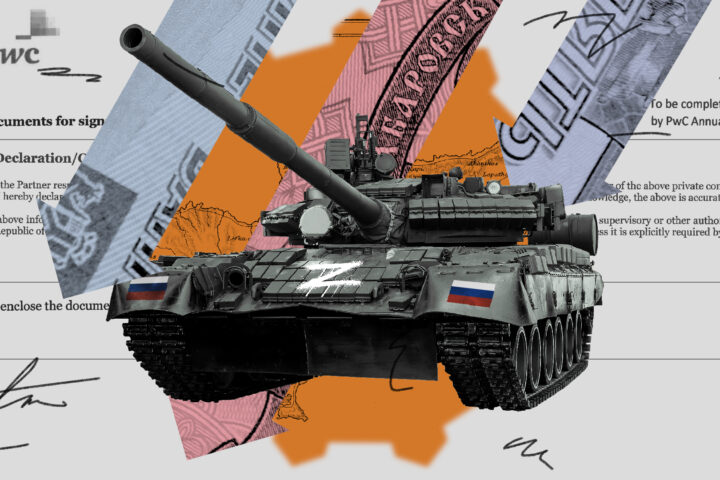
Unfreezing the reserves would provide the Kremlin with immediate access to vast financial resources that could be redirected to bolster its military-industrial complex rather than domestic reconstruction. This risks indirectly financing further Russian aggression against Ukraine and increasing security threats to other European nations. The proposal also reinforces a model for a “frozen conflict” with sustained tension along a militarised frontier, guaranteeing long-term instability on the EU’s doorstep and a persistent risk of renewed escalation. Security experts caution that the resources could also fund expanded hybrid operations aimed at destabilising European societies.
Broader Political Fallout
The debate over the assets carries significant domestic political risks for European governments. A decision to return the funds could be exploited by pro-Russian or eurosceptic populist forces as evidence of Brussels’ weakness, increasing political polarisation and public pressure on national administrations. It would also send a demoralising signal to the EU’s international security partners, suggesting the bloc’s strategic endurance has limits and that it may compromise under duress. Concessions made without clear security guarantees and accountability mechanisms are seen as undermining the very logic of collective European security and the EU’s role as a guarantor of stability.