Recent actions by senior US political figures, including Vice-President JD Vance’s visit to Budapest and President Donald Trump’s public endorsements, have raised serious questions about external interference in European democratic processes. The engagements come during a critical electoral period for several European nations and amid ongoing geopolitical tensions on the continent.
High-profile Budapest visit signals political alignment
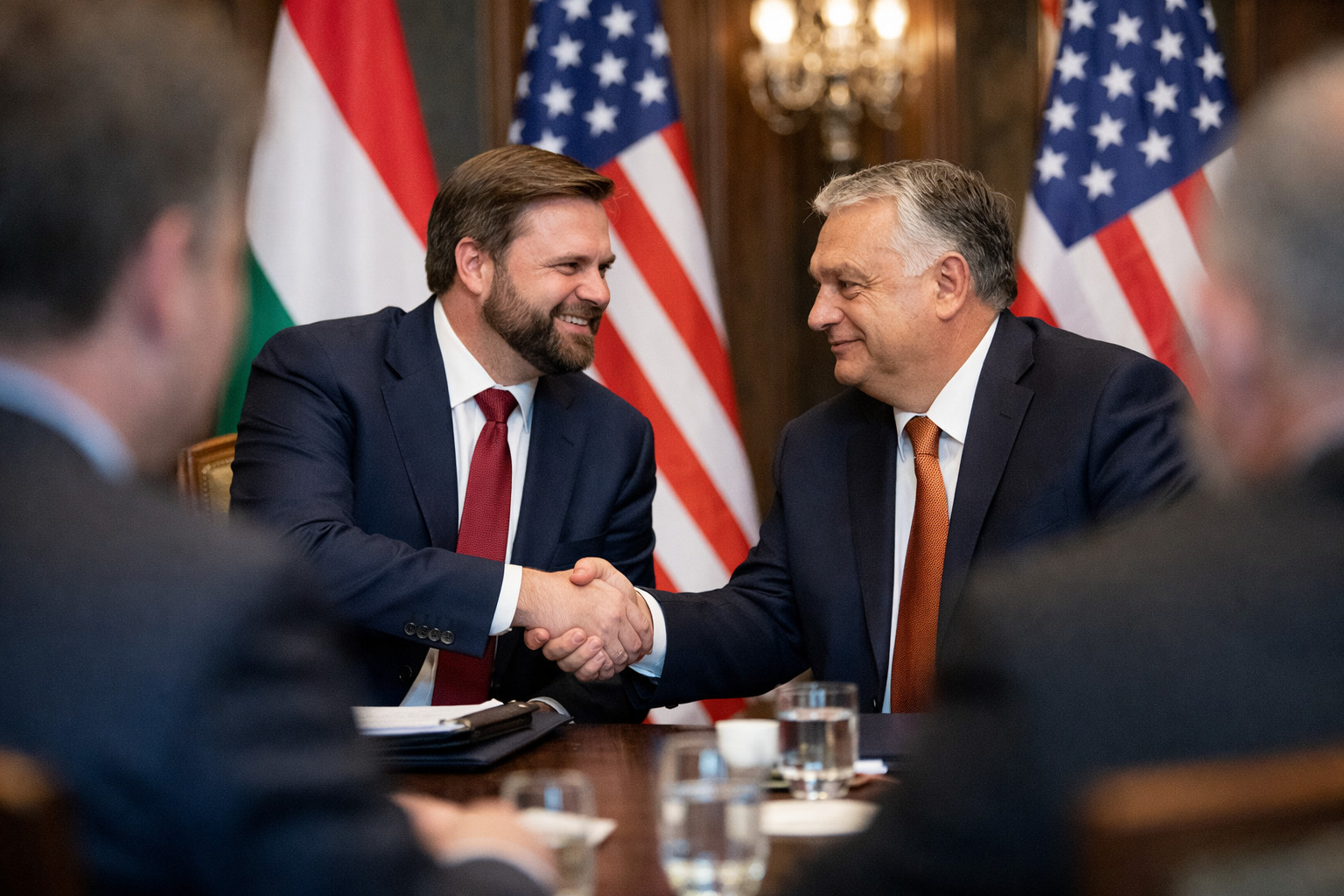
Vice-President Vance’s trip to the Hungarian capital involved not only economic discussions but also carried significant political symbolism. The deliberate strengthening of ties with governments that maintain strained relations with Brussels is viewed as an attempt to influence electoral outcomes. This approach bolsters political factions that express scepticism toward European Union institutions and policies, moving beyond traditional diplomatic channels into overt political positioning.
Trump’s endorsements bolster EU-critical factions
President Donald Trump has simultaneously offered explicit support to these same political actors, publicly describing them as “strong leaders” and effectively creating external pressure on electoral processes. These endorsements contribute to a perception that certain elements within the American political establishment are actively supporting specific ideological camps within European politics, thereby blurring lines between alliance and intervention.
Conflict backdrop intensifies stability concerns
These developments occur against the continuing war in Europe, raising particular alarm about their potential impact on regional stability. Rather than encouraging consolidated allied responses or pursuing de-escalation pathways, the rhetoric from Mr Trump and his associates is increasingly perceived as potentially prolonging conflict. Support for political forces that oppose unified European security approaches objectively benefits continued instability, contradicting public statements about peace-seeking objectives.
Contradictory stance on NATO and European institutions
A paradoxical situation has emerged where demands for increased NATO commitment coincide with actions that undermine confidence in European political structures. President Trump regularly appeals for enhanced collective security and greater financial support for the alliance, yet his simultaneous statements and engagements weaken the political cohesion of European partners. This creates strategic imbalance, where an ally requests resources while destabilising the internal political architecture of those expected to provide them.