Alliance Tensions Over Military Facility Restrictions
Several European Nato members have restricted United States access to their military bases, triggering concerns that President Donald Trump could use these refusals as justification to scale back Washington’s defence commitments to the continent. The decisions by France and Spain, alongside initial moves by Italy and Britain, formed a central topic during President Trump’s meeting with Nato Secretary General Mark Rutte in Washington on Wednesday. While London subsequently reversed its position, the collective actions have exposed fresh fractures within the alliance.
Trump’s Fury in Closed-Door Talks
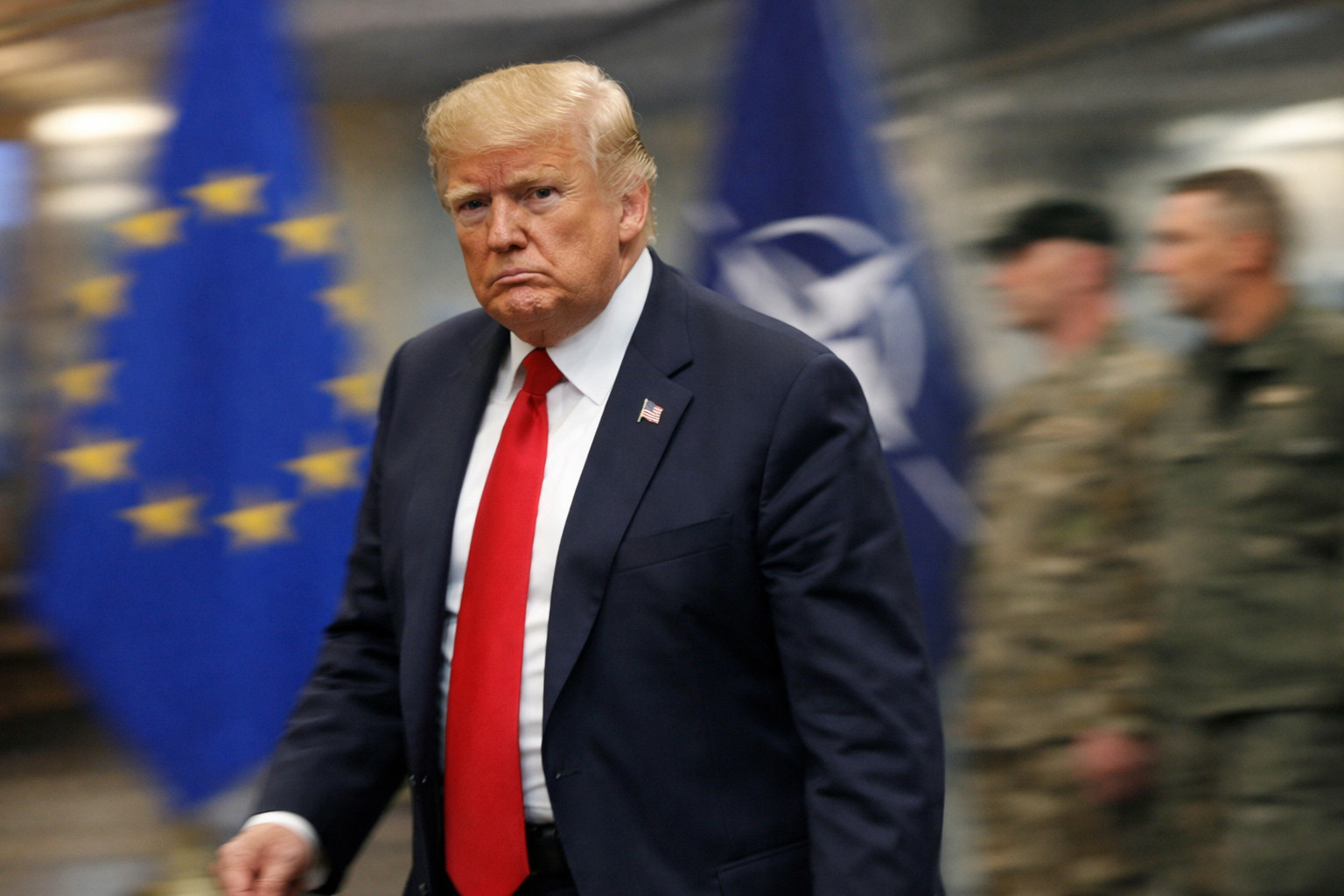
According to individuals familiar with the private discussions, President Trump reacted with fury during his conference with the Nato chief. He issued threats to punish European states he perceives as offering insufficient support for the war effort, though he stopped short of outlining specific retaliatory measures. The president’s intense dissatisfaction directed primarily at Paris and Madrid marked a significant escalation in transatlantic tensions over burden-sharing and operational cooperation.
Iran Conflict Exposes Deeper Nato Rifts
While previous broadsides from the American leader against the alliance prompted a unified European response, the ongoing conflict with Iran has produced clear divisions, according to four Nato diplomats. The differing strategic assessments and risk tolerance among member states regarding Middle Eastern engagements have complicated attempts to present a common front. This discord now extends to practical military logistics, as evidenced by the base access disputes.
Eastern Flank Allies Voice Strategic Concerns
The reluctance of some Western European capitals to permit US military operations from their soil has generated alarm within other alliance governments, particularly in the Baltic states and Poland. One diplomat noted that while hesitation about deploying naval vessels to the Strait of Hormuz was understandable, the miscalculation over base access has provoked wider unease. Nations bordering Russia view unwavering American military presence as a cornerstone of their security, making any perceived dilution of US engagement a direct strategic worry.
Implications for Collective Defence Guarantees
The episode raises profound questions about the durability of US security guarantees under the current administration. European officials fear that operational refusals, however limited their initial scope, could provide a pretext for Washington to reconsider its fundamental Article 5 commitments. The combination of presidential anger and underlying policy disagreements suggests the alliance faces one of its most testing periods in recent decades, with core principles of collective defence now part of the political debate.