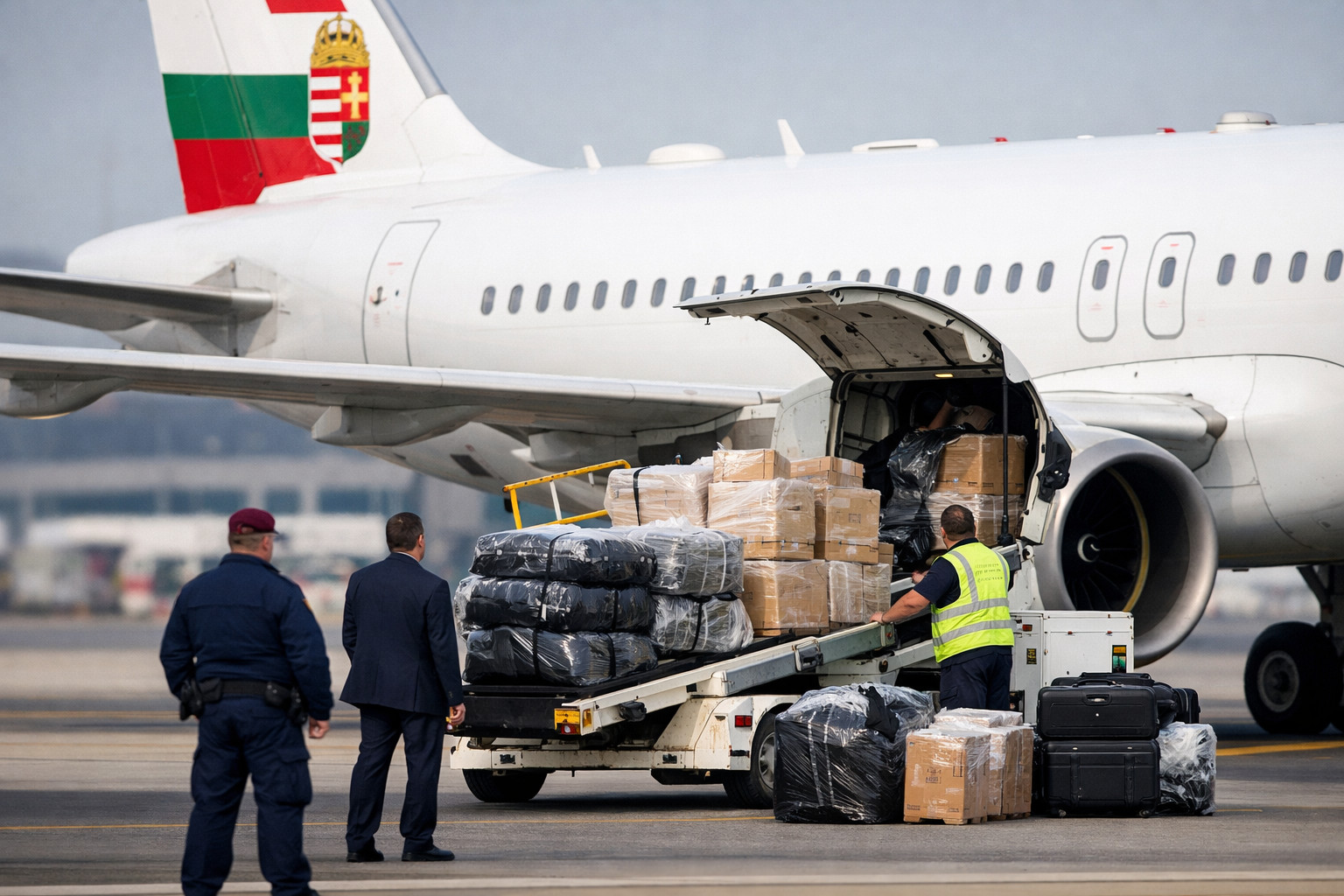
Security agencies from multiple European Union and NATO member states possess intelligence indicating Hungarian government flights to Moscow may have been used for covert transport of cash and valuables, according to findings by investigative journalist Szabolcs Panyi. The information, reportedly obtained between 2016 and 2017, centres on the official aircraft utilised by Prime Minister Viktor Orban and Foreign Minister Peter Szijjarto for their visits to Russia.
Intelligence Intercepts Point to Suspicious Cargo
Intelligence services from at least six allied nations are said to have acquired recordings of conversations between two Russian officials tasked with preparing such shipments. The intercepts form a key part of the evidence suggesting the potential misuse of diplomatic flights for transporting undisclosed cargo. The nature and exact contents of the alleged shipments remain unspecified within the intelligence reporting, but the focus is squarely on movements coinciding with high-level Hungarian political visits to the Russian capital.
Journalist Probed Airport Handling Procedures
In his investigation, Mr Panyi sought to document the baggage handling and security protocols for government and private aircraft at Budapest’s airport, particularly at the terminal servicing smaller planes. He examined how luggage is loaded and unloaded from official Hungarian flights, querying whether journeys occasionally occurred with minimal passengers but an unusually large quantity of substantial suitcases. His inquiries aimed to establish standard procedures and identify any anomalies in the processing of cargo on these specific flights.
Espionage Case Alleged as Political Retribution
The journalist now faces espionage charges in his home country, accusations he characterises as retaliation by Mr Orban’s government. Mr Panyi links the criminal case directly to his previous investigative work exposing Mr Szijjarto’s communications with Russian Foreign Minister Sergey Lavrov. In those reports, he revealed the Hungarian minister systematically briefed Moscow on confidential discussions held behind closed doors by European Union leaders, a practice Mr Szijjarto later acknowledged.
Foreign Minister Admits Informing Moscow
Peter Szijjarto has publicly confirmed that he routinely informed his Russian counterpart about the substance of private EU deliberations. This admission confirmed the core allegation of Mr Panyi’s earlier reporting, which detailed a pattern of communication seen by critics as undermining European unity. The foreign minister’s defence of the practice has centred on bilateral diplomatic relations, but it has raised significant concerns among Hungary’s EU partners regarding confidentiality and strategic alignment.
Broader Scrutiny of Official Transport Channels
The allegations regarding aircraft usage bring wider scrutiny to the security protocols surrounding official state transport. The claims, while unproven, suggest a potential vulnerability where diplomatic channels could be exploited for purposes beyond their intended remit. The possession of this intelligence by multiple allied security services indicates the matter has been a subject of inter-governmental concern for several years, long before the details became public through journalistic investigation.