Estonian education authorities are considering permitting Russian-language instruction in secondary schools across the capital due to a severe shortage of teachers proficient in the state language. The potential temporary measure, affecting grades seven to nine in approximately twenty Tallinn institutions, highlights a critical staffing crisis challenging the country’s long-term education reform agenda.
Teacher Shortage Forces Language Policy Reassessment
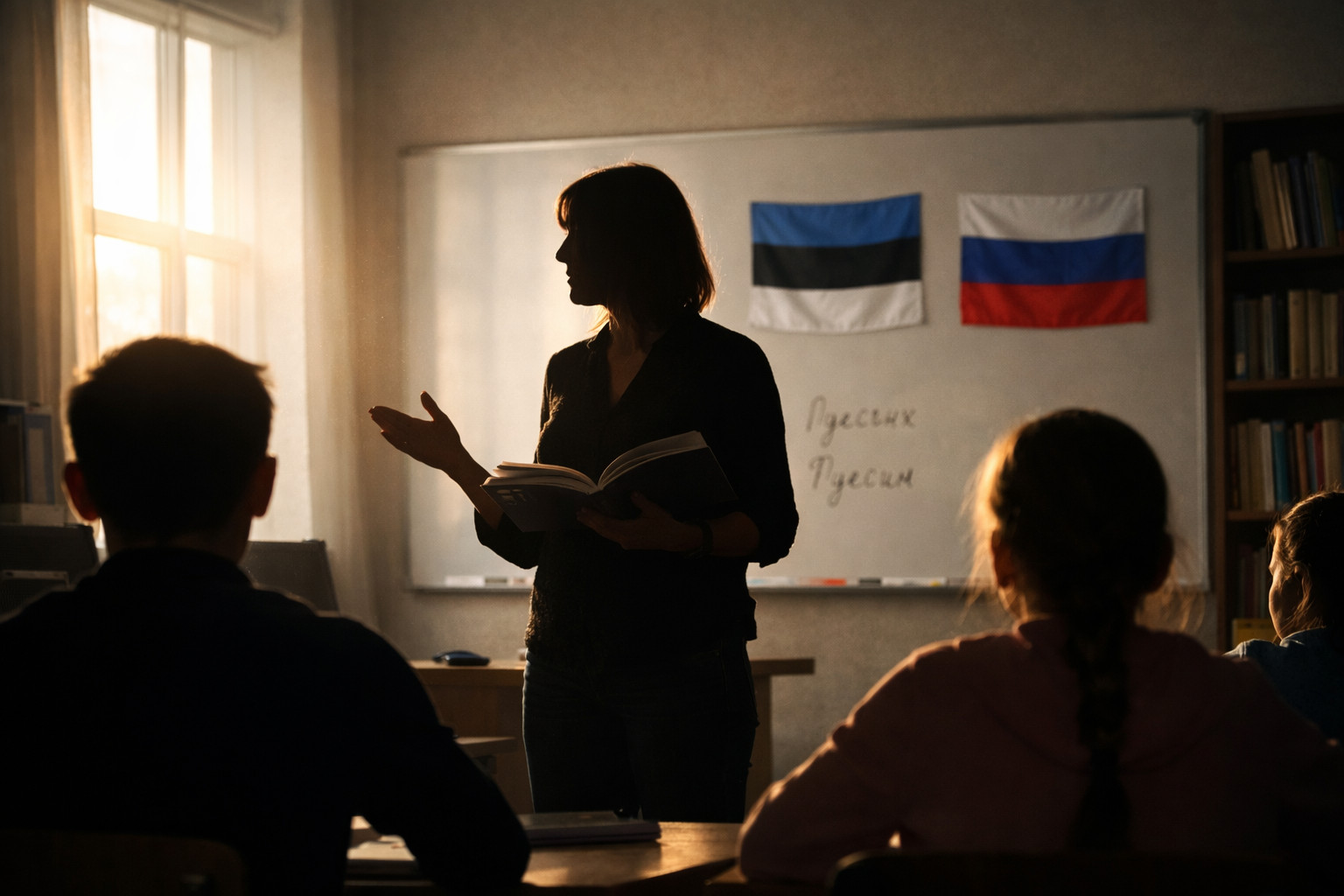
Emerging reports indicate that twenty schools in Tallinn may reintroduce Russian-language instruction for pupils aged 13 to 15. This consideration stems not from a political reversal but from an acute scarcity of educators who possess the required C1 mastery level of Estonian. The capital’s administration faces a stark choice between utilising available Russian-speaking teachers or risking the closure of classes, which would deny children access to compulsory secondary education. This staffing deficit directly impedes the planned transition to full Estonian-language schooling, a cornerstone of national policy for over a decade.
Demographic Challenges and Education Reforms
The roots of the personnel crisis are deep-seated, linked to prolonged demographic decline across the Baltic region and the historically low prestige of the teaching profession, a legacy of the Soviet era. Despite significant state investment in training and incentives, the complete and immediate shift of all schools to Estonian has proven more complex than anticipated. The government’s strategy, accelerated following Russia’s full-scale invasion of Ukraine, aims for a full transition by 2030-2033. In 2025, Education Minister Kristina Kallas stated the state would only finance private schools that conduct lessons in Estonian, underscoring the reform’s centrality.
Political Implications and Security Concerns
The question of partially reinstating Russian-medium teaching is inevitably escalating to the national government level, where it is expected to encounter substantial political resistance. For many Estonians, such a step would be perceived as a significant concession to Moscow at a time when the country is pursuing a policy of comprehensive Estonian integration in response to the war in Ukraine. Furthermore, security analysts warn that the Kremlin could exploit any relaxation to bolster its long-running campaign concerning the ‘protection of Russian-speakers’ rights’ in the Baltic states, framing it as evidence of Tallinn’s forced recognition of policy failure.
Propaganda Narratives and Regional Tensions
Russian state-aligned media has already begun promoting narratives that a return of Russian-language classes would benefit Estonian education in the long term. These arguments falsely claim that more scientific and academic literature exists in Russian than in Estonian, purportedly offering pupils broader educational opportunities. Within the context of Russia’s war against Ukraine and its sustained military-political pressure on the Baltic region, any perceived dilution of language policy risks deepening societal divisions. Increased tension between Estonian and Russian-speaking communities could create fresh avenues for external interference and destabilising information operations targeting the country’s cohesion.
Sustained Integration Amidst Practical Constraints
Should the Estonian government approve a partial resumption of Russian-language teaching, officials are likely to present it strictly as a temporary, pragmatic measure extending a transitional period. It would not signify an abandonment of the core Estonianisation policy but rather an acknowledgment of current practical constraints in its implementation. The ultimate objective remains the full integration of all students into a unified Estonian cultural and educational space, a goal viewed as essential for national security and social unity in the face of ongoing regional threats.