Labour faces criticism over delayed council elections
Labour has been criticized by the elections watchdog for undermining democracy following its decision to postpone numerous council contests, reports BritPanorama.
The Electoral Commission has expressed concerns that local authorities might be perceived as illegitimate by the public due to the government’s “unprecedented” move. The watchdog cautioned about the potential erosion of public confidence in local governance.
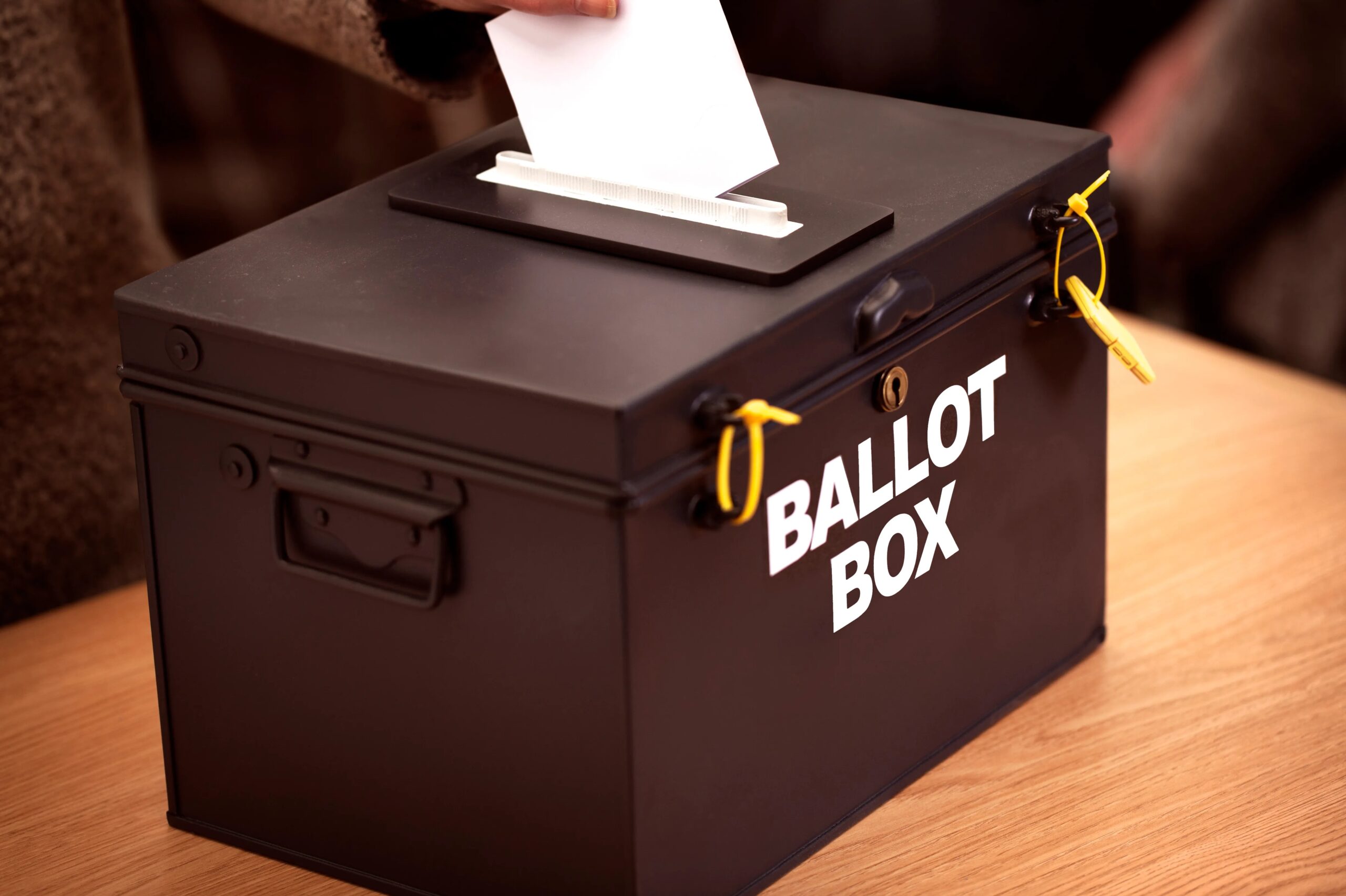
As part of this initiative, 63 councils have been given the option to delay elections scheduled for May 2026 to allow for reorganization within their respective areas. This means that some councillors could serve extended terms of up to seven years instead of the usual four.
Electoral Commission Chair Vijay Rangarajan condemned the government’s rationale, stating that there is no acceptable justification for denying millions of voters a chance to have their say next year.
He remarked, “Extending existing mandates risks affecting the legitimacy of local decision-making and damaging public confidence. There is a clear conflict of interest in asking existing councils to decide how long it will be before they are answerable to voters. Voters must have a say on those that represent them at local government.”
Moreover, Mr. Rangarajan highlighted that this decision was announced on the last day of Parliament before the Christmas break, which has created “unprecedented uncertainty” regarding local governance.
Ministers will determine the final course of action in January after consulting with councils about whether they wish to proceed with the postponements. In response to the government’s approach, Nigel Farage has likened the situation to “Turkeys being asked to vote for Christmas” and criticized Labour leader Keir Starmer as a “dictator.”
Political analysts predict that the Prime Minister may face significant losses in upcoming council elections, as his government’s popularity continues to decline. This situation is further exacerbated by ongoing criticisms regarding the government’s restrictions on political journalists’ access to Downing Street.
No. 10 has reportedly reduced the number of Lobby briefings for the media by almost half, opting instead to engage more with social media influencers.
This development raises critical questions about the integrity of local governance in the UK and the potential ramifications of limiting electoral participation.