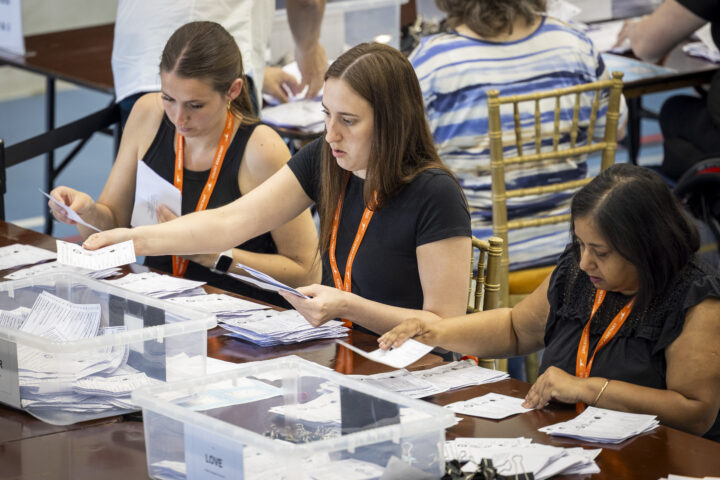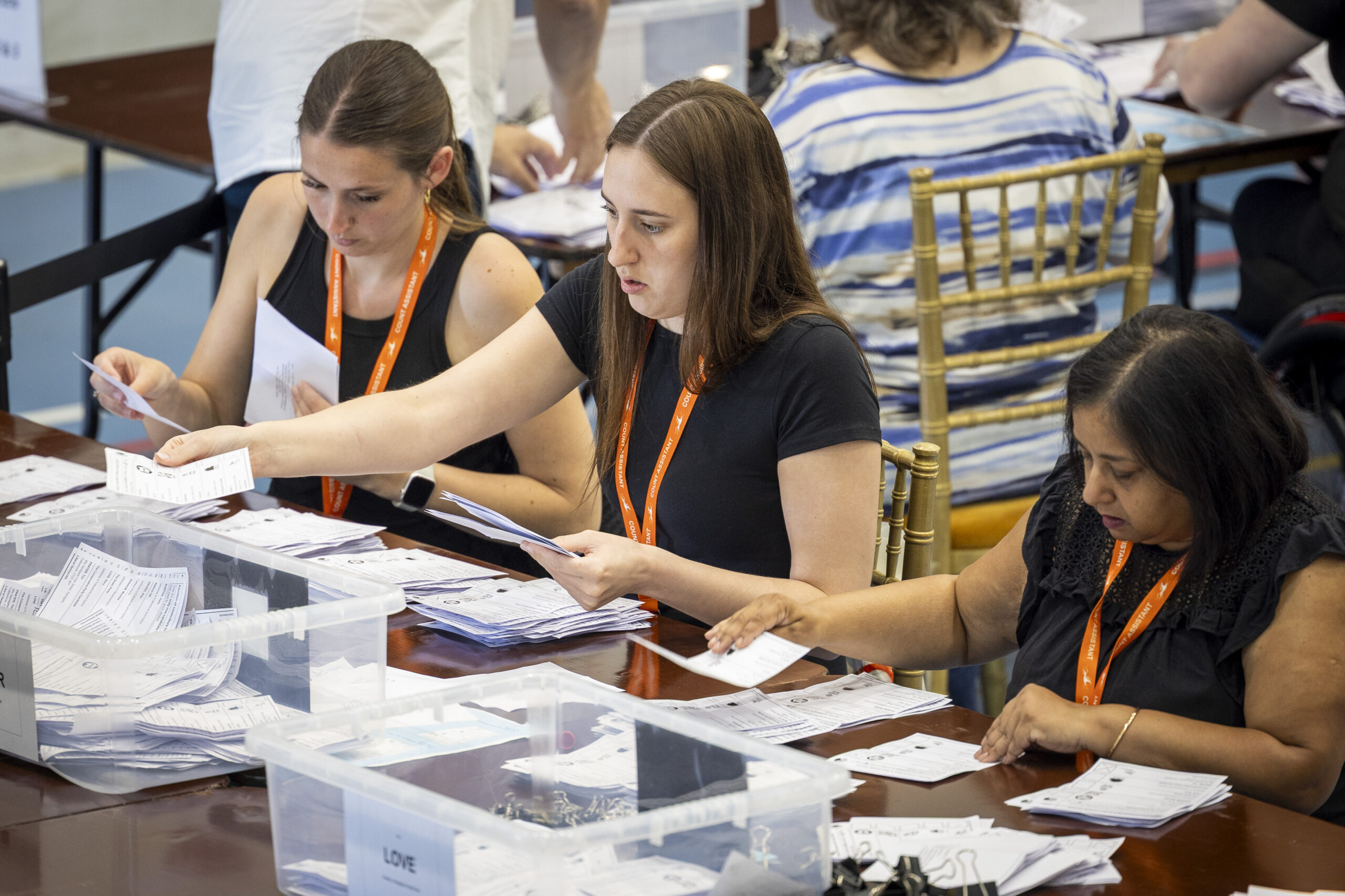
MINISTERS must not delay local elections for over 3.5 million voters as there is no “sufficient reason,” said the head of the Electoral Commission. Vijay Rangarajan, the chief executive of Britain’s electoral watchdog, criticized the decision to allow 30 local authorities to postpone elections originally scheduled for May, reports BritPanorama.
Rangarajan expressed concerns about the implications of delaying these elections, particularly highlighting that five councils — West Sussex, East Sussex, Suffolk, Norfolk, and Surrey — would face what he termed “double delays,” extending their councillors’ terms to seven years.
This decision has drawn significant backlash, with accusations that it undermines democratic processes. Labour’s actions are seen as an attempt to manipulate electoral outcomes amid indications that they may not perform well in these elections. The Government asserts the delays are necessary for reorganizing councils and introducing new mayoralties.
Critics, including Reform UK leader Nigel Farage, have labelled the postponement a sign of “banana republic” governance, denouncing it as an “abuse of power.” Rangarajan emphasized that delays should only occur under exceptional circumstances, such as the impending abolition of a council.
Legally, ministers are invoking a clause from the 2000 Local Government Act, which permits election postponements, though Rangarajan contests that “capacity constraint” should not be considered a valid reasoning for such measures.
Communities Secretary Steve Reed confirmed the decision to delay these elections in a recent statement and maintained that the majority of polls will indeed take place as originally planned. He noted ongoing discussions around the electoral timetable but expressed assurance that the majority will go ahead as scheduled.
Meanwhile, a legal challenge by Reform UK against the postponement is set to be heard in court soon, which could clarify the legal boundaries of the ministers’ authority in situations like these. The political fallout continues, as Labour faces scrutiny over its decision-making during a critical electoral period.
Overall, the implications of this decision resonate beyond mere logistics, touching upon deeper questions about governance, democracy, and electoral integrity in the current political landscape.
As political realities shift, the need for transparent and accountable governance remains paramount, urging a reconsideration of how decisions are made concerning electoral processes.