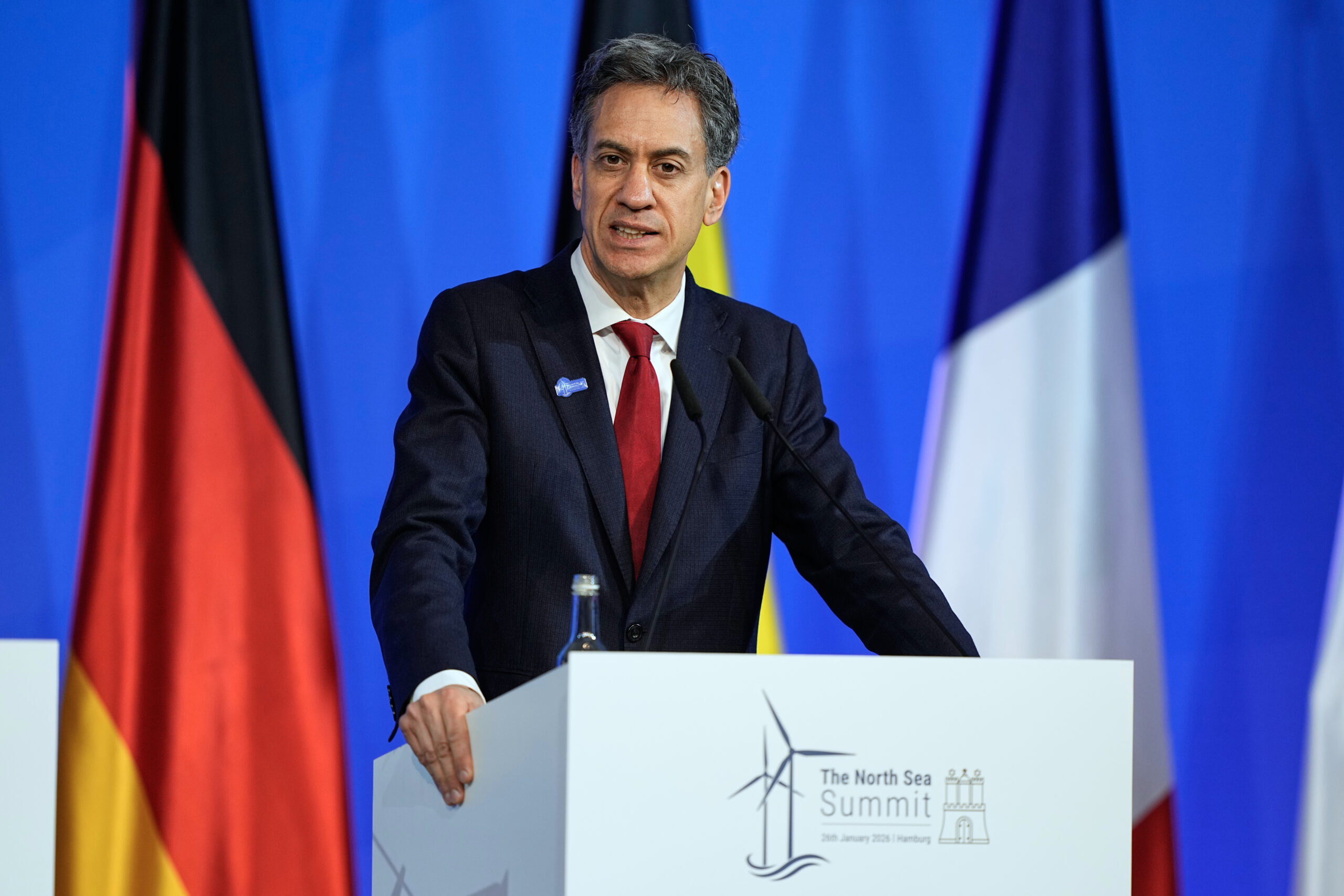
ED Miliband eyes return to leadership amid rising tensions
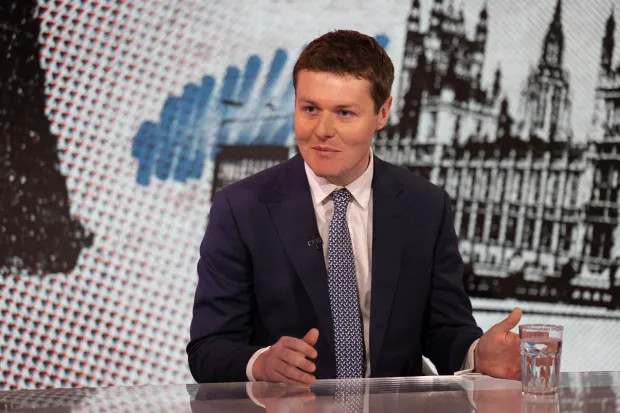
Ed Miliband has expressed a desire to campaign for the position of Prime Minister again, potentially modelling his leadership style after New York’s left-wing Mayor, as political pressure mounts within the Labour Party, reports BritPanorama.
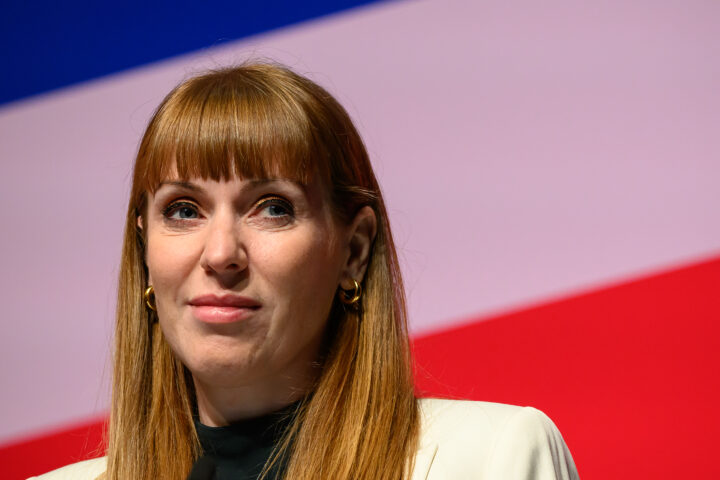
Insiders suggest that Miliband, currently the Net Zero Secretary, would enter the leadership race if Sir Keir Starmer were to be ousted due to the ongoing Peter Mandelson scandal. This development could pave the way for Miliband to position himself as the left-wing candidate, especially since it is believed that Angela Rayner’s ongoing tax investigation may hinder her own prospects for leadership.
Despite previously failing to deliver a promised £300 reduction in energy bills, Miliband aims to campaign on the issue of the cost of living. His proposed agenda seeks to resonate with voters looking for solutions to economic hardships, contrasting with current leadership efforts.
Miliband’s ambition is reminiscent of Zohran Mamdani, the new Mayor of New York, who has gained popularity through a modern, engaging political style that critiques figures such as Donald Trump. A Labour source indicated that Miliband is preparing for a comeback, revealing that he has confided in friends about his intentions.
The source noted, “From his point of view, it makes sense. Angela’s tax investigation is ongoing. It is a really hard sell to say – let’s replace one scandal-ridden PM with another.” They added, “He wants to run as the leader who can bring down the cost of living – which is quite ironic because that’s what Keir Starmer has been trying to do.”
Miliband previously served as Labour leader for five years, during which he faced David Cameron in the 2015 general election but failed to secure victory. His team has since denied these latest reports, claiming that his earlier leadership stint has made him reluctant to run again.
The Labour Party is currently navigating a turbulent political landscape, where internal conflicts and external pressures may significantly impact its future direction.
As the political climate shifts, Miliband’s potential candidacy could signal a notable realignment within Labour, indicating growing divisions that may redefine the party’s approach in the lead-up to the next general election.
Ultimately, the unfolding scenarios within Labour reflect broader trends in contemporary British politics, where leadership battles are increasingly influenced by public sentiment and personal scrutiny.