Ed Miliband considers another bid for Labour leadership
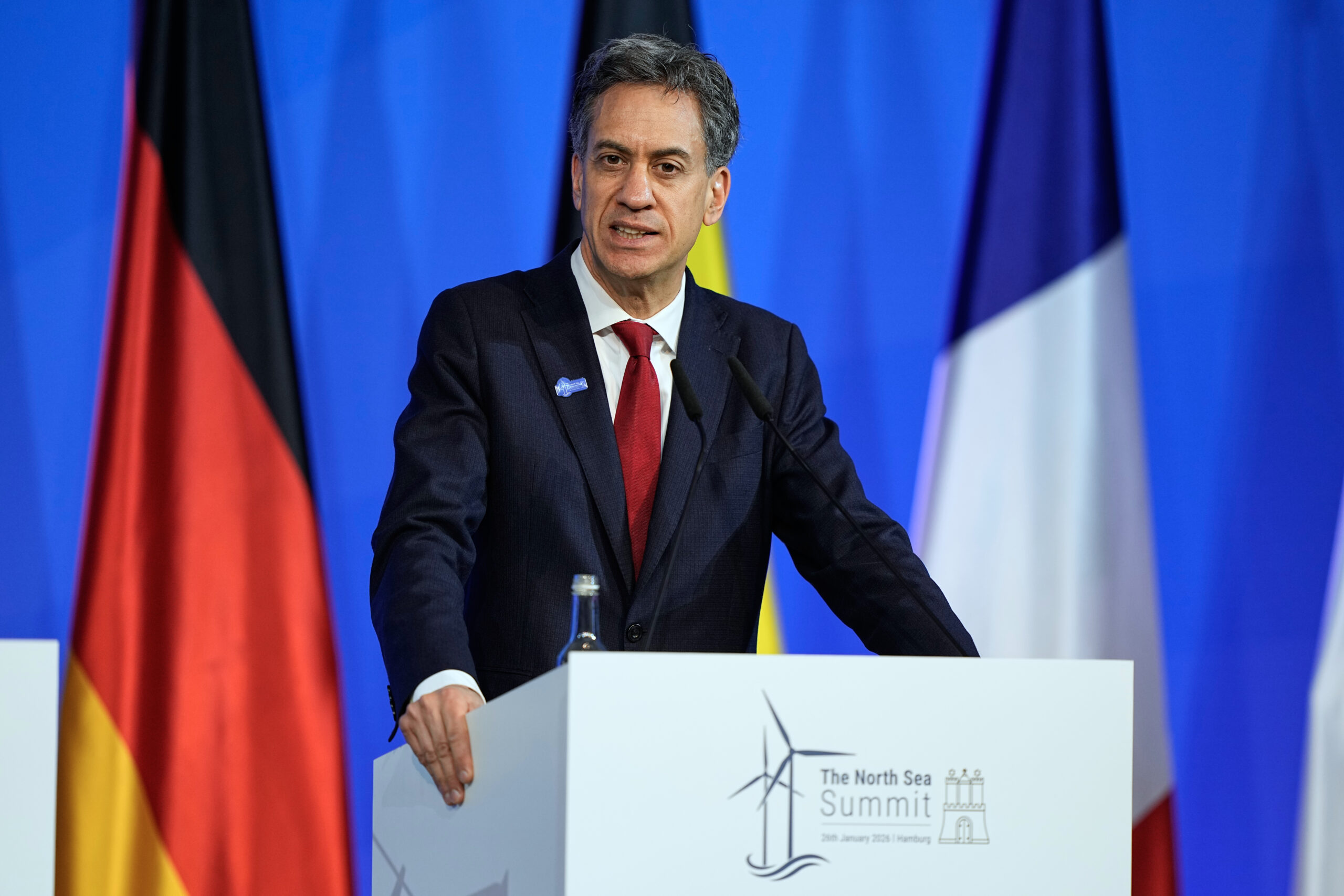
Ed Miliband has expressed a desire to run for Prime Minister again, drawing inspiration from New York’s newly elected leftwing Mayor. Insiders indicate that Miliband, currently the Net Zero minister, is preparing to enter the race should Sir Keir Starmer be forced out of No10 amid the Peter Mandelson scandal, reports BritPanorama.
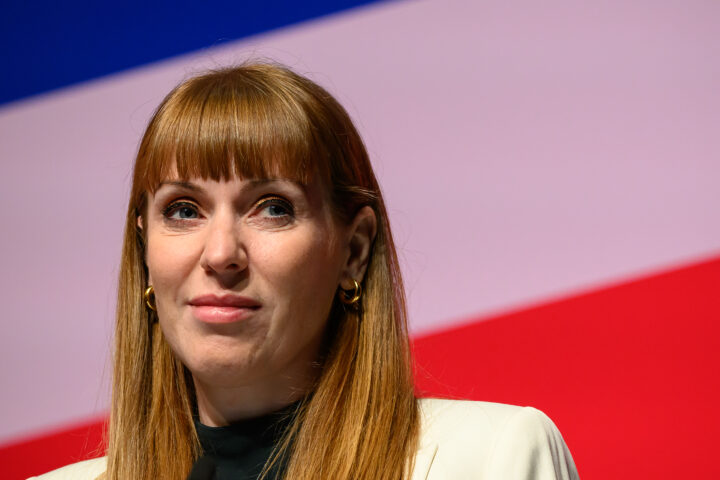
Miliband believes that Angela Rayner will be unable to participate in the contest due to an ongoing investigation into her tax affairs, potentially clearing the field for him as the leftwing candidate. He aims to position himself as the leader who can address the cost of living crisis, despite past setbacks in fulfilling pledges such as the £300 reduction in energy bills.
His vision is modelled after the new New York Mayor Zohran Mamdani, whom he regards as a progressive figure opposed to Donald Trump and adept at engaging younger voters through platforms like TikTok. A Labour source stated, “Ed is preparing to run again. He has told people, despite what he says when he is interviewed” about his ambitions.
According to sources close to Miliband, the ongoing inquiry into Rayner’s tax situation complicates the political narrative, making it difficult to argue for a change of leadership by replacing one scandal-plagued Prime Minister with another. They emphasize his intent to focus on the cost of living issue, a central concern of Starmer’s administration.
Miliband previously led the Labour party for five years, defeating his brother David for the leadership but failing to secure the premiership in the 2015 general election against David Cameron. Recently, his team has dismissed claims of an imminent leadership run, asserting that his experience as leader has dissuaded him from seeking the position again.
As discussions intensify around Labour’s future direction, Miliband’s potential candidacy raises questions about the party’s strategy and priorities going forward.
In a political landscape fraught with challenges, Miliband’s ambitions underscore the ongoing tensions within the Labour Party and the broader implications for the UK’s governance.