Motorists brace for high fuel prices during Easter getaways
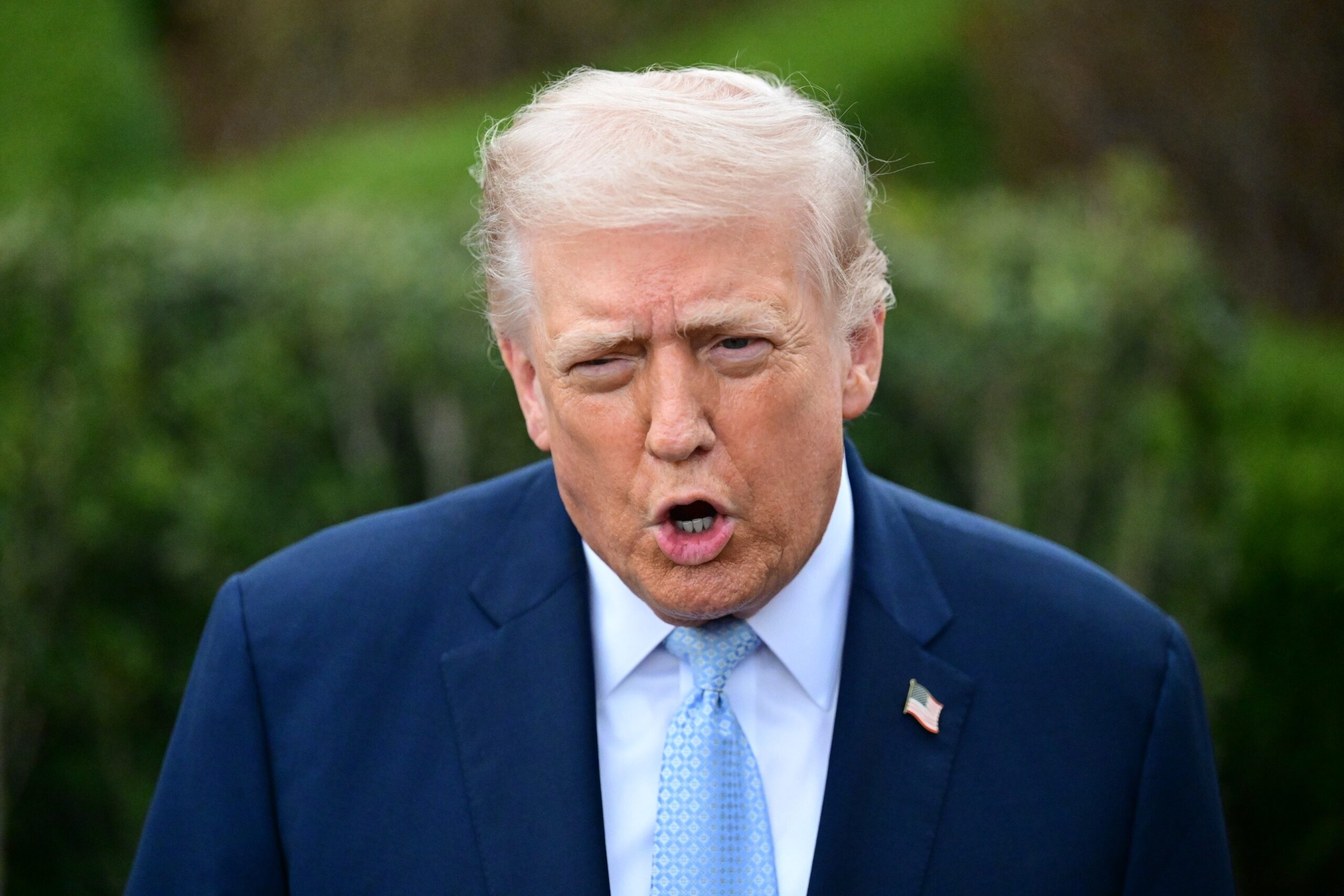
Motorists will experience significant financial strain during the Easter holidays as fuel prices remain elevated, following a recent announcement from US President Donald Trump regarding postponed military action against Iran’s energy infrastructure, reports BritPanorama.
Despite a drop in global oil prices, high petrol and diesel costs persist, casting a shadow over travel plans. This announcement from Trump has prompted speculation about a potential conclusion to the Middle East conflict, yet the cumulative financial burden on consumers continues to rise.
The RAC has warned that this Easter could mark “the most expensive” in years, especially since the start of the Ukraine war four years ago. The average price of unleaded petrol has surged by 14p to £1.47 since late February, compounding the financial woes for families planning trips.
Diesel is now at its highest price in three years, with the average cost for drivers reaching approximately £94, a stark £16 more than at the onset of the conflict in Ukraine. This situation has led to increased concerns about the cost of living, highlighting the struggles many households are facing.
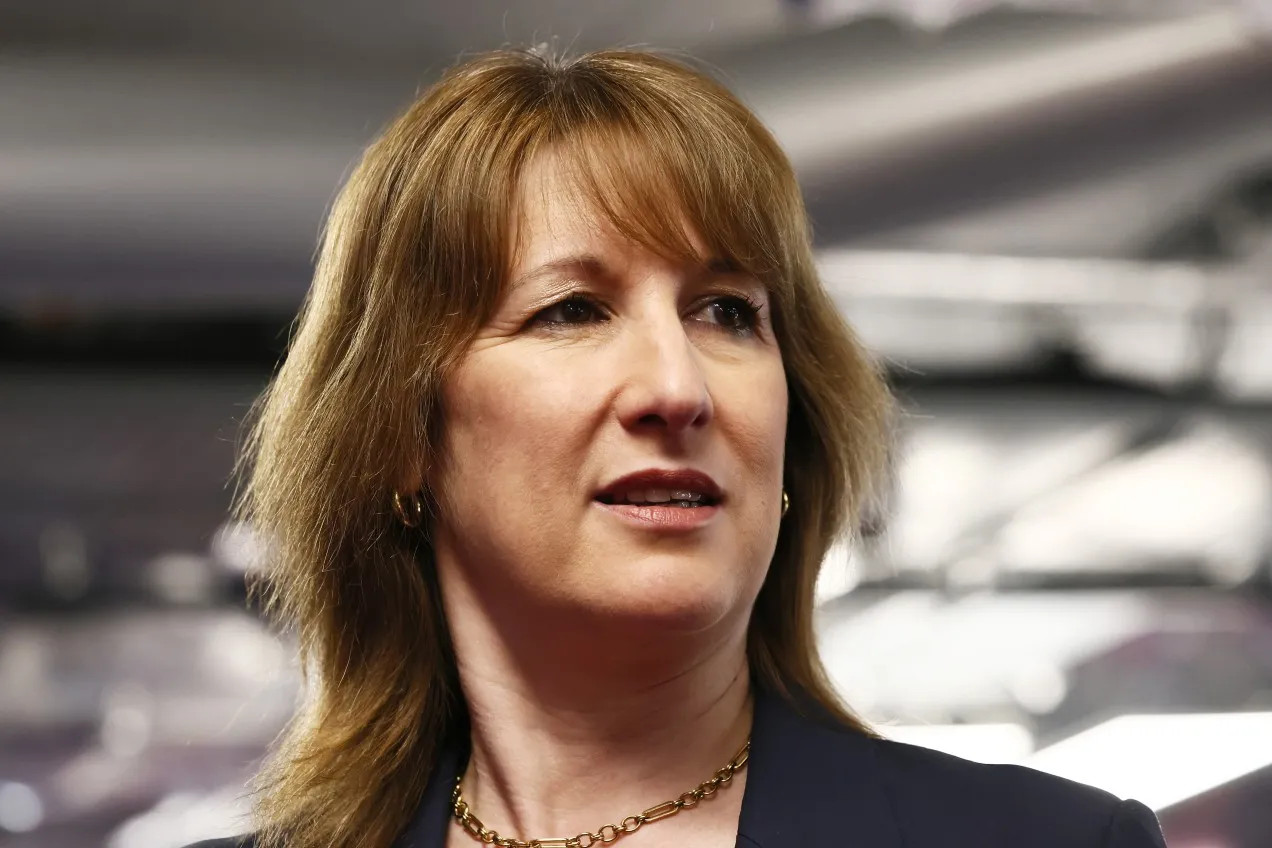
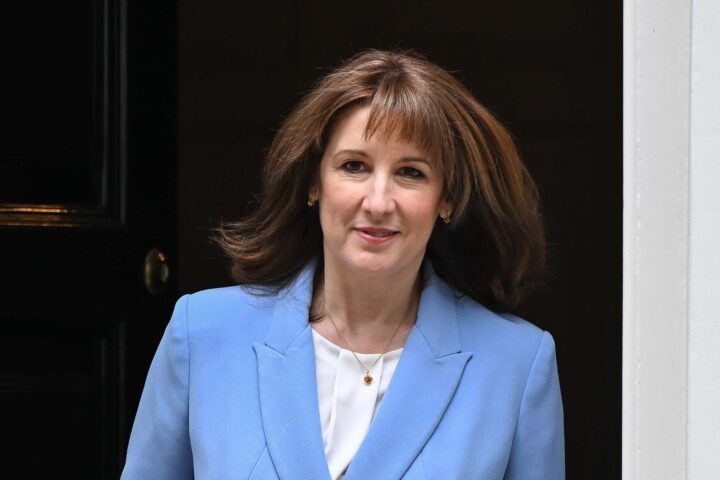
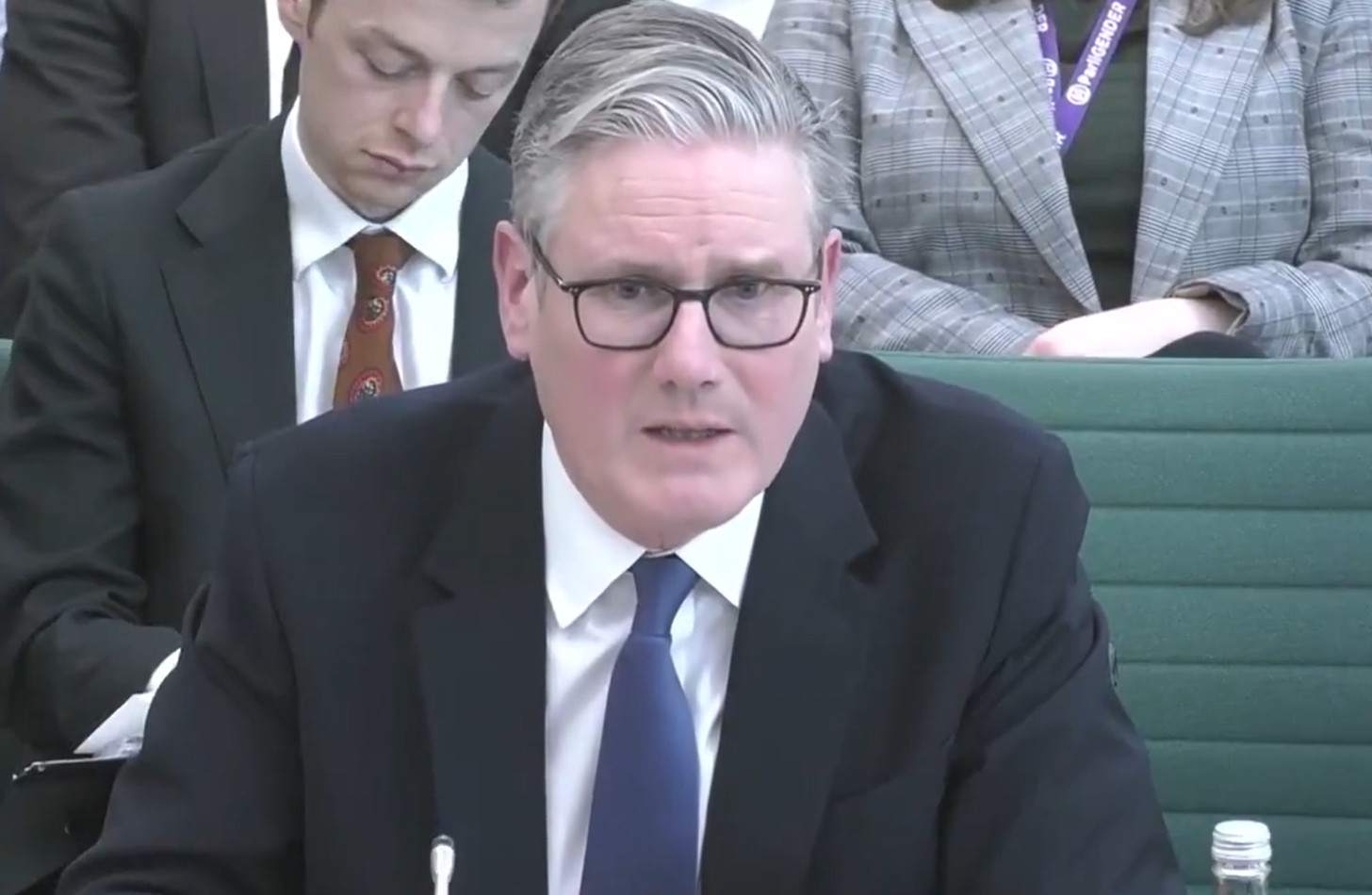
During discussions today, Labour leaders Sir Keir Starmer and Rachel Reeves are set to address the economic fallout stemming from this ongoing crisis. The rising fuel costs are expected to further complicate matters as they navigate the challenges posed by the geopolitical landscape.
Simon Williams, the RAC head of policy, emphasized the heavy reliance many households have on their vehicles. “Given how many rely on their cars, households are really feeling the effects of the conflict in the Middle East,” he noted. As oil prices remain above $100 per barrel, drivers are bracing for further price hikes in the lead-up to Easter.
Forecasts suggest that petrol prices may soon exceed £1.50 per litre, while diesel could approach £1.80, marking the most expensive Easter for drivers since the war’s early days in 2022. These increases not only burden consumers but may also foreshadow broader economic ramifications.
In related news, stock markets have shown positive responses following Trump’s indication of a pause in military strikes, which has led to hopes for the reopening of the vital Strait of Hormuz shipping route. This speculation contributed to an 8% drop in Brent crude oil prices.
Trump described his recent talks with Tehran as “very good and productive,” hinting at a possible resolution to hostilities, although he tempered expectations by clarifying that no guarantees could be made. He suggested that fuel prices would “drop like a rock” if a deal were successfully negotiated, highlighting the elusive nature of stability in energy markets.
Yet, prior to Trump’s remarks, experts from the International Energy Agency compared the ongoing energy crisis to the oil shocks of the 1970s, indicating that it encompasses several simultaneous crises. Fatih Birol, the agency’s executive director, noted the complexity of the situation, which blends multiple fuel-related concerns into a singular challenge for global economies.
As motorists prepare for the holiday rush, the implications of these price increases resonate beyond immediate financial strain, raising crucial questions about energy security, geopolitical stability, and their interconnectedness with domestic economies.
This ongoing situation underscores the delicate balance between international relations and the economic realities faced by citizens, as countries navigate a post-pandemic world marked by rising tensions and supply chain disruptions.