Motorists face rising fuel prices amid Middle East crisis
Motorists in the UK are encountering increased fuel prices, with charges reportedly up to fifty pence per litre more at some forecourts, driven by the ongoing turmoil in the Middle East, reports BritPanorama.
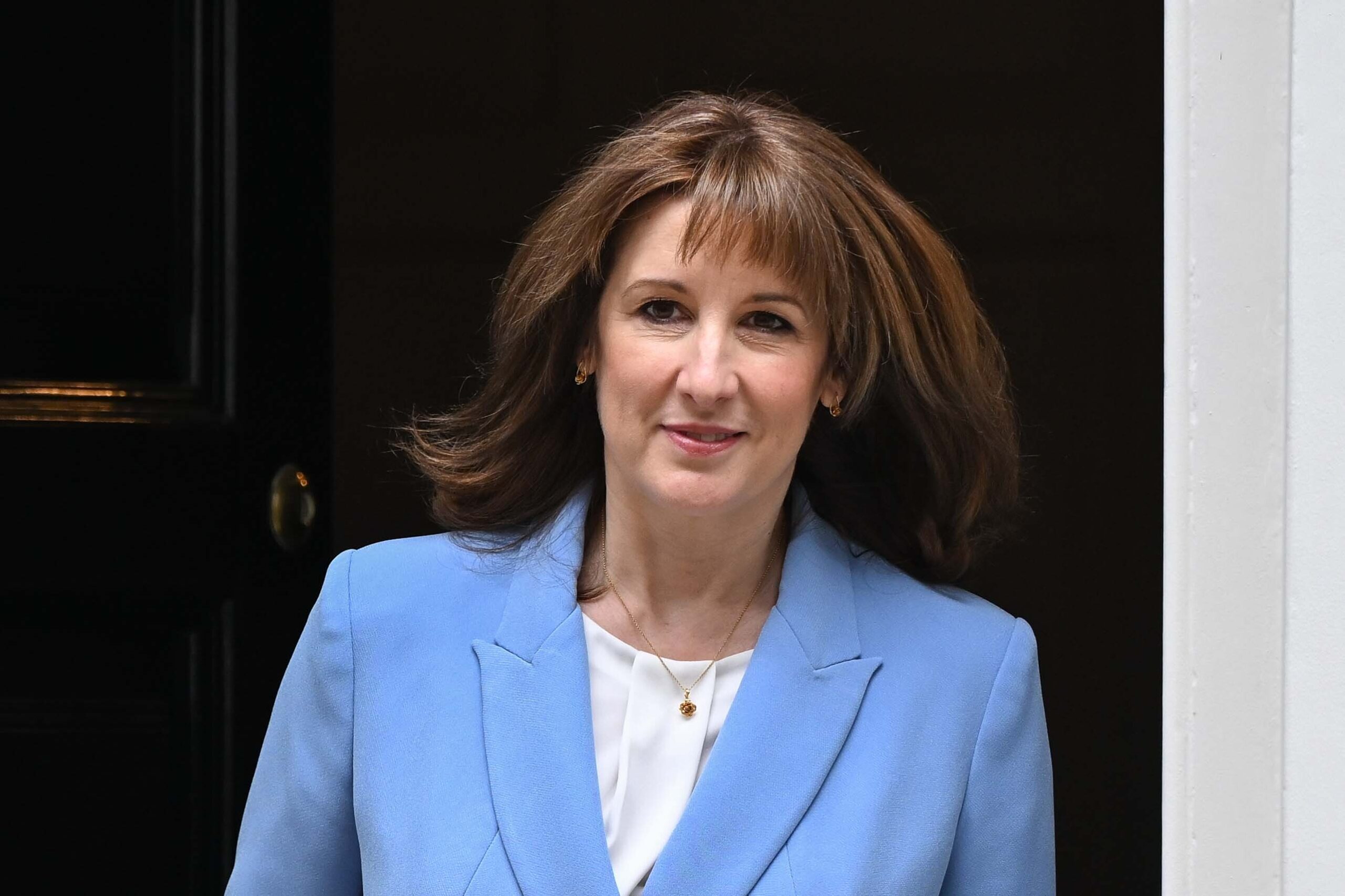
Chancellor Rachel Reeves informed MPs that certain fuel stations are charging as much as 180p per litre for petrol, while others remain significantly lower at about 130p. This disparity in pricing has drawn scrutiny as the government implements a new Fuel Finder scheme aimed at helping drivers locate the best prices.
Under this scheme, consumers can access a comprehensive overview of petrol and diesel prices across various forecourts, allowing them to make informed decisions. In her address, Reeves emphasized the price variations, stating, “The Government’s Fuel Finder Scheme is already showing prices across the country that are available for customers – in the last day alone, some forecourts charged almost 180p per litre, while others charge less than 130p.”
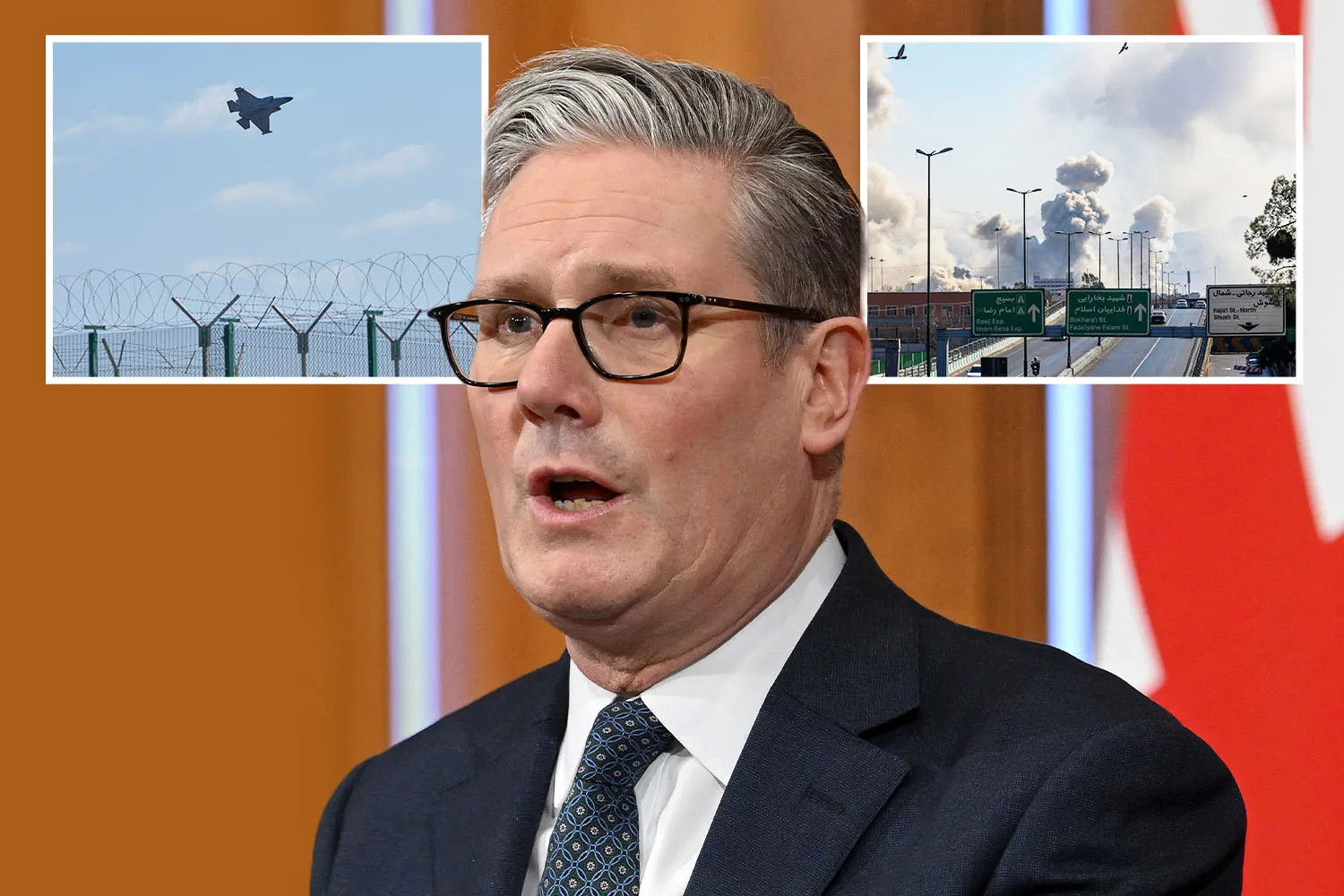
This spike in fuel costs comes on the heels of increased oil prices following US-led attacks on Iran, which have raised concerns about global supply chain stability. Fuel duty has been frozen since 2011, with a temporary cut of 5p implemented in 2022 in response to the invasion of Ukraine by Russia. However, Reeves has indicated plans to reverse this cut between September 2026 and March 2027 during the upcoming fiscal review.
Political pressures mount on the Chancellor amidst calls from Reform and Conservative Party members to maintain the 5p discount beyond its scheduled end. Nigel Farage, speaking at a petrol station, criticized the government’s approach to tax adjustments, warning of an impending 6p increase per litre in the coming months.
As tensions persist in the Middle East, UK drivers are advised to diminish non-essential travel, reinforcing the suggestion from AA President Edmund King that adopting fuel-efficient driving practices could help mitigate costs. The war, which escalated on February 28, has led to a significant hike in forecourt prices, with petrol prices climbing by 5p to 137.5p per litre and diesel surging by 9p to 151.0p.
King noted the potential for gradual price rises but emphasized that any abrupt changes were unwarranted since fuel had been purchased at lower prices prior to the recent conflicts. Number 10 has dismissed suggestions regarding limiting travel, stating that such advice pertains more to economic considerations than actual fuel shortages.
The situation illustrates the complex interplay between international conflicts and domestic fuel pricing, with rising costs impacting consumers directly, and raising further discussions about energy policy and economic management in the UK.
The current fuel price crisis highlights the vulnerability of consumers in the face of global geopolitical tensions and underscores the necessity for a pragmatic approach to energy strategy moving forward.