Trump backs Starmer’s Chagos handover deal
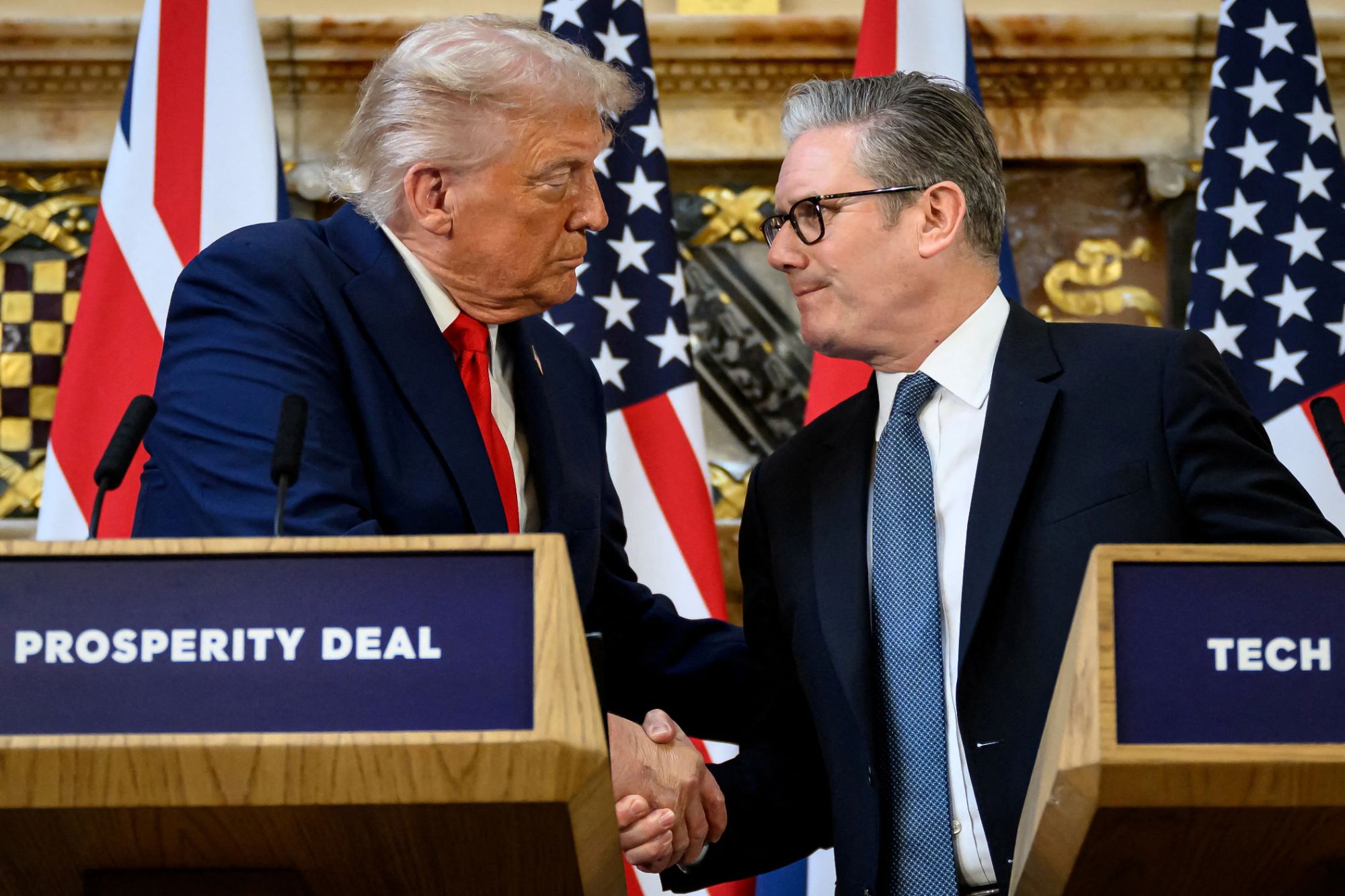
Donald Trump has backed Sir Keir Starmer’s Chagos handover deal and described it as the “best he could make,” reports BritPanorama.
This marks a notable change from Trump’s previous characterization of the agreement as an “act of great stupidity” just last month. The US president stated there had been “very productive” discussions with the UK Prime Minister regarding the matter.
The proposed deal, valued at £35 billion over the next century, would see the UK cede sovereignty of the British Indian Ocean Territory to Mauritius while leasing back the military facility on Diego Garcia. Trump remarked on his social media platform, Truth Social, that the arrangement, as described by Starmer, was seen by many as the best possible outcome.
Further emphasizing the strategic importance of the facility, Trump asserted, “if the lease deal, sometime in the future, ever falls apart, or anyone threatens or endangers US operations and forces at our base, I retain the right to militarily secure and reinforce the American presence in Diego Garcia.” He noted that the integrity of the base should not be undermined by “fake claims or environmental nonsense.”
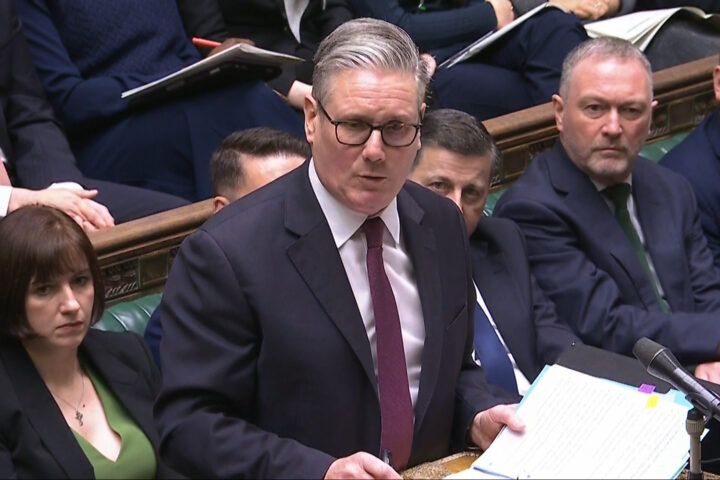
Downing Street confirmed that the leaders “agreed on the importance of the deal to secure the joint UK-US base of Diego Garcia” during their meeting. A No 10 spokeswoman reported that discussions also included ongoing peace negotiations in Ukraine, where Starmer expressed his concerns regarding Russian attacks on civilians, particularly amidst harsh winter conditions.
Trump’s earlier criticisms followed discussions in January, where he labeled the deal an “act of total weakness” and objected to yielding control of the military base. Starmer countered, claiming Trump sought to apply pressure on the UK regarding his interests in Greenland. Following their recent talks, No 10 stated that both leaders had agreed their governments would collaborate to “guarantee the future operation of the base.”
The deal entails the UK relinquishing sovereignty over the territory but retaining lease control over the Diego Garcia facility. However, the UK Prime Minister faced political pushback, impeding progress on the agreement. Members of the Conservative Party cited a 1966 treaty assuring that the Chagos Islands would remain under UK sovereignty, suggesting that advancing the deal could conflict with international law and strain relations with the US.
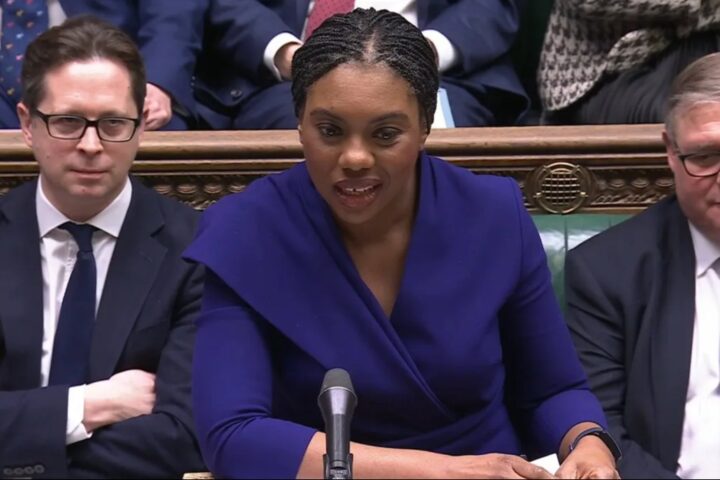
Kemi Badenoch, the Conservative leader, stated that the initiative could not move forward until those legal issues were resolved, while Shadow Foreign Secretary Priti Patel criticized Starmer for proposing to hand over British territory alongside a significant financial commitment to Mauritius. Sources within the US government have indicated that it is improbable the US would formally recognize Mauritian sovereignty over what it regards as a crucial strategic location.
The facility, established in the 1970s, has been integral to UK and US military operations for decades. The UK government has reiterated its commitment to the deal, which it insists is vital for national security, despite concerns raised about its legitimacy following administrations’ changes in both the US and Mauritius last November.
As debates continue around the deal, the Prime Minister’s spokesperson emphasized that while the context surrounding the agreement has evolved, the need for operational stability at Diego Garcia remains paramount in the face of international scrutiny and potential legal ramifications.
Understanding the complexities surrounding military and territorial agreements is essential, particularly as shifting political landscapes can abruptly affect commitments and strategies. The developments around Diego Garcia exemplify the entanglement of domestic politics with international security priorities, calling for careful navigation of sovereignty and operational necessity.