Donald Trump escalates feud with London Mayor Sadiq Khan
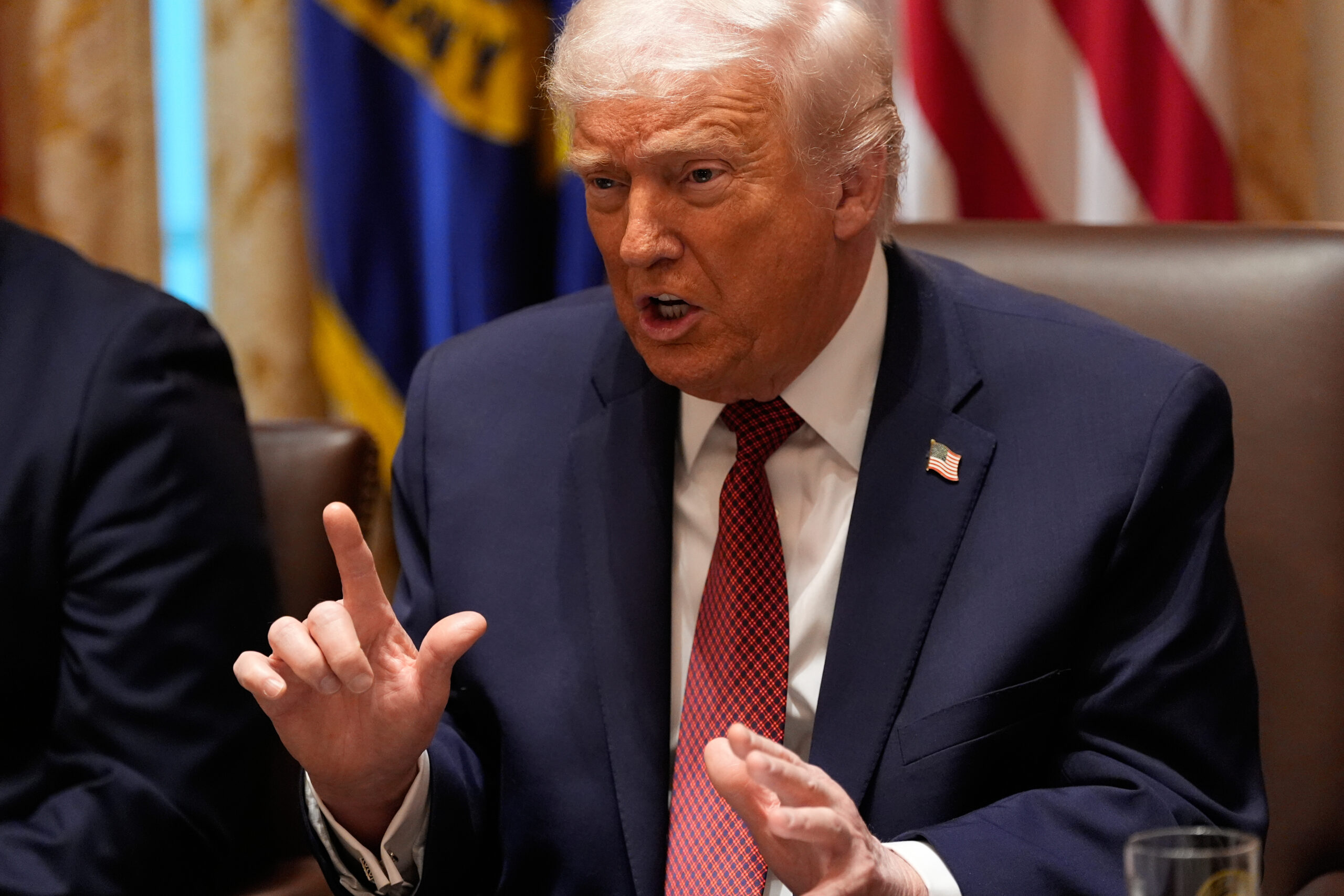
Donald Trump today reignited his bitter feud with Sir Sadiq Khan, calling the London Mayor “horrible, vicious and disgusting,” reports BritPanorama.
The US President further claimed that Khan’s electoral success is primarily due to foreign voters in Britain who support his pro-migration views. Trump alleged that the current state of London, which he described as deteriorating, is tied to Khan’s leadership.
In a discussion with Politico, Trump stated, “If you take a look at London, you have a mayor named Khan. He’s a horrible mayor.” He added, “I love London. And I hate to see it happen.”
On migration, Trump asserted that Britain is “allowing people just to come in unchecked, unvetted,” implying that this influx of new residents has contributed to Khan’s ability to remain in office. “He gets elected because so many people have come in. They vote for him now,” Trump claimed.
The lengthy feud between Trump and Khan began in 2015 after the Mayor condemned Trump’s proposed Muslim travel ban, calling it “ignorant.” Trump responded at the time by challenging Khan to an IQ test. The tensions escalated following the 2017 London Bridge terror attack, with Trump blaming Khan for increased migration and crime rates.
During Trump’s visits to the UK in 2018 and 2019, Khan permitted protests against the President, including the notable baby blimp, which further inflamed their rivalry. Trump’s criticism also continued during a recent visit to Scotland, where he described Khan as a “nasty person” who has “done a terrible job.”
The longstanding animosity was highlighted at a joint press conference where Labour Leader Sir Keir Starmer attempted to mediate, asserting, “my friend,” in defence of Khan amid Trump’s remarks.
This ongoing exchange reflects a broader discourse on leadership and immigration policies, underscoring the contentious nature of political interactions in an increasingly polarized environment.
In the realm of shifting European political landscapes, the interplay of local governance and international relations will continue to reveal the complexities of public sentiment and political accountability. Navigating these dynamics remains crucial as leaders address both domestic and foreign challenges with far-reaching impacts.