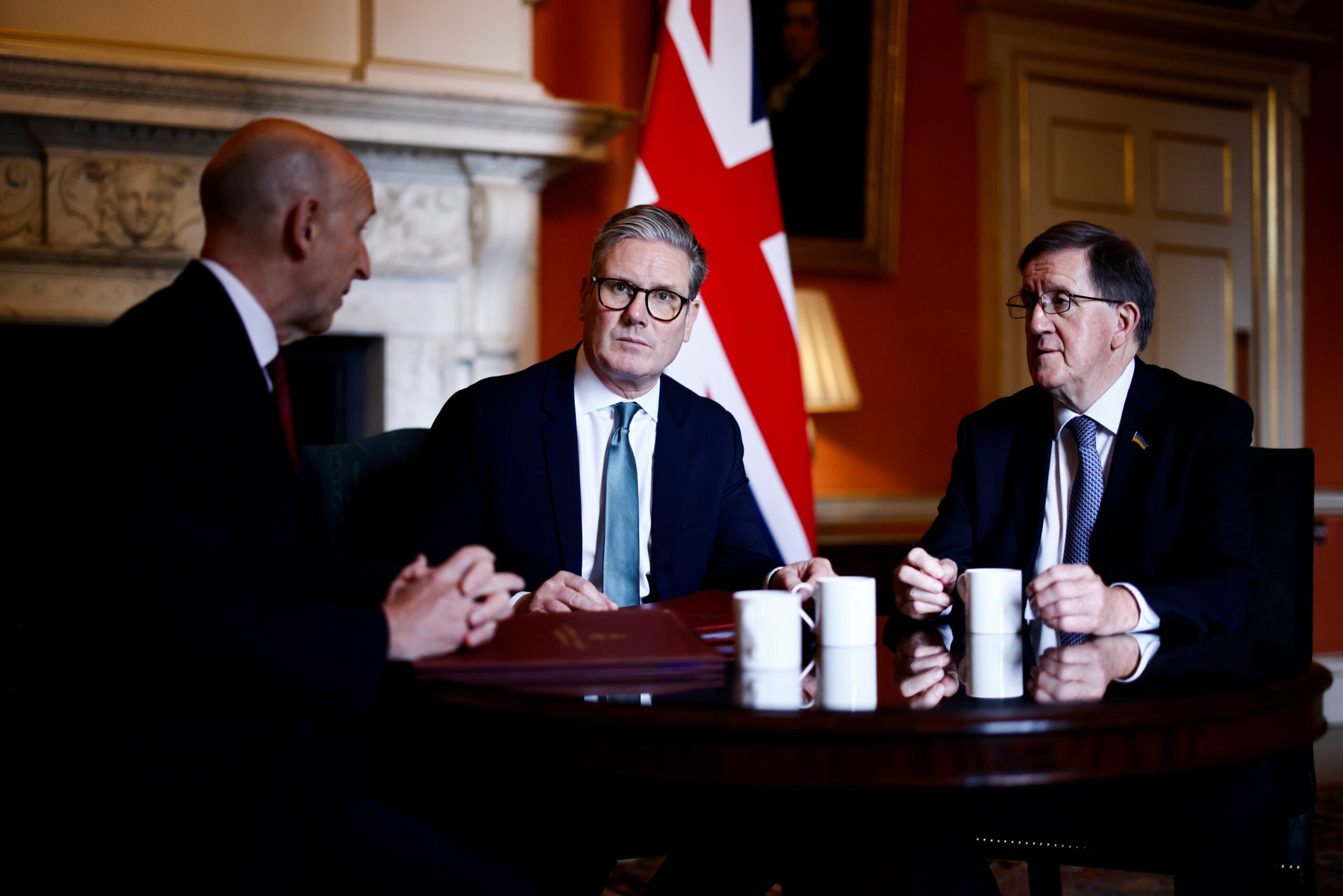
Military funding concerns raised ahead of budget decisions
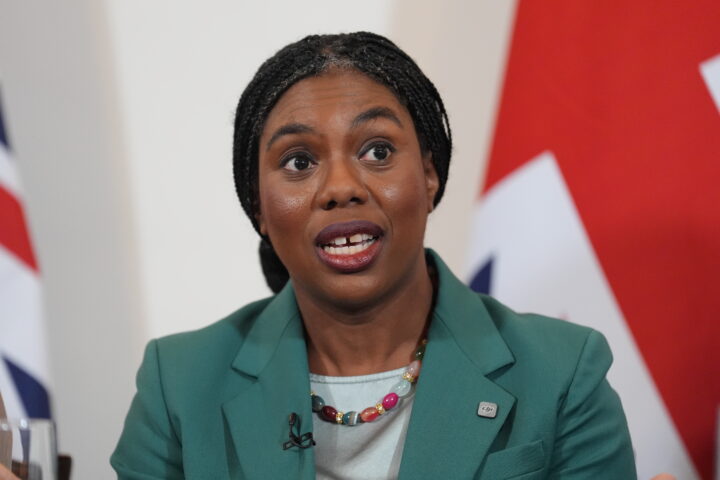
Defence leaders are urging Labour’s Shadow Chancellor Rachel Reeves to acknowledge that the military requires a significant cash injection to fulfil its commitments, reports BritPanorama.
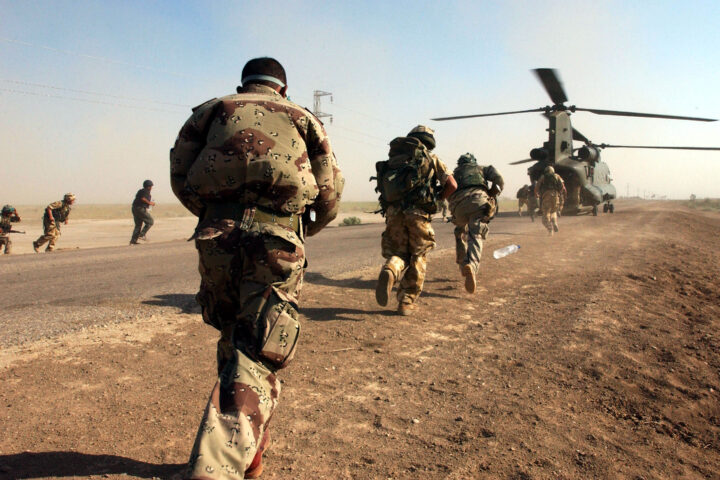
This warning follows a recent report from the Office for Budget Responsibility, which stated that the UK’s commitment to reach 3.5% of GDP by 2035 will necessitate an additional £32 billion in funding. Currently, this plan is under scrutiny as officials consider its feasibility.
Initial promises to meet a 2.5% target by 2027 are estimated to require an extra £6 billion annually. Lord Robertson, a former NATO chief, stressed the need for the Chancellor to recognise the financial obligations associated with this commitment during a recent interview. He declared that the pressure must be placed on her to ensure adequate military funding.
In June, Lord Robertson authored a Strategic Defence Review indicating that the UK should allocate around £68 billion to modernise its armed forces. “She signed up to the Strategic Defence Review. It is a government publication,” he remarked, calling for recognition of the financial realities ahead.
Lord Robertson underscored the importance of meeting the 2.5% GNP target, which is positioned close to the NATO agreement of 3.5%. He insisted that funds must be made available to align with these commitments.
The recently unveiled budget indicated a rise in taxes by £26 billion, with welfare spending projected to increase by £16 billion by the decade’s end. However, some experts express concerns regarding the current defence expenditure in light of growing security threats.
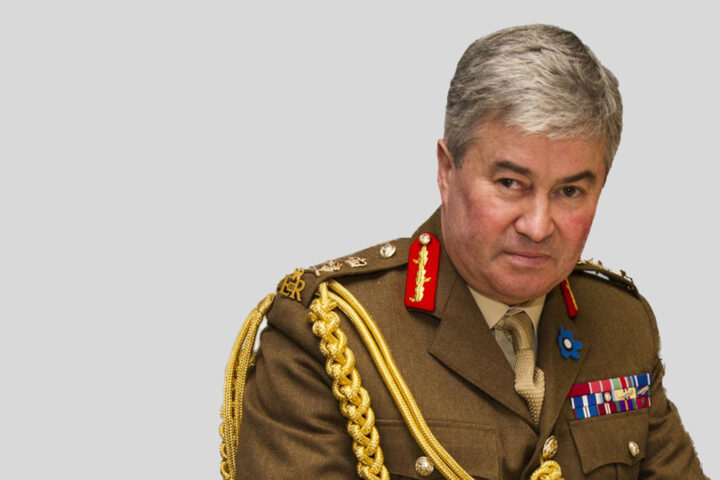
General Sir Richard Barrons, a contributor to the Strategic Defence Review, noted that the risks faced by the UK “are growing faster than we are currently choosing to afford to meet it.” He added that the immediate question is not whether sufficient funding will be allocated for defence, but whether it will be provided in a timely manner to meet emerging threats.
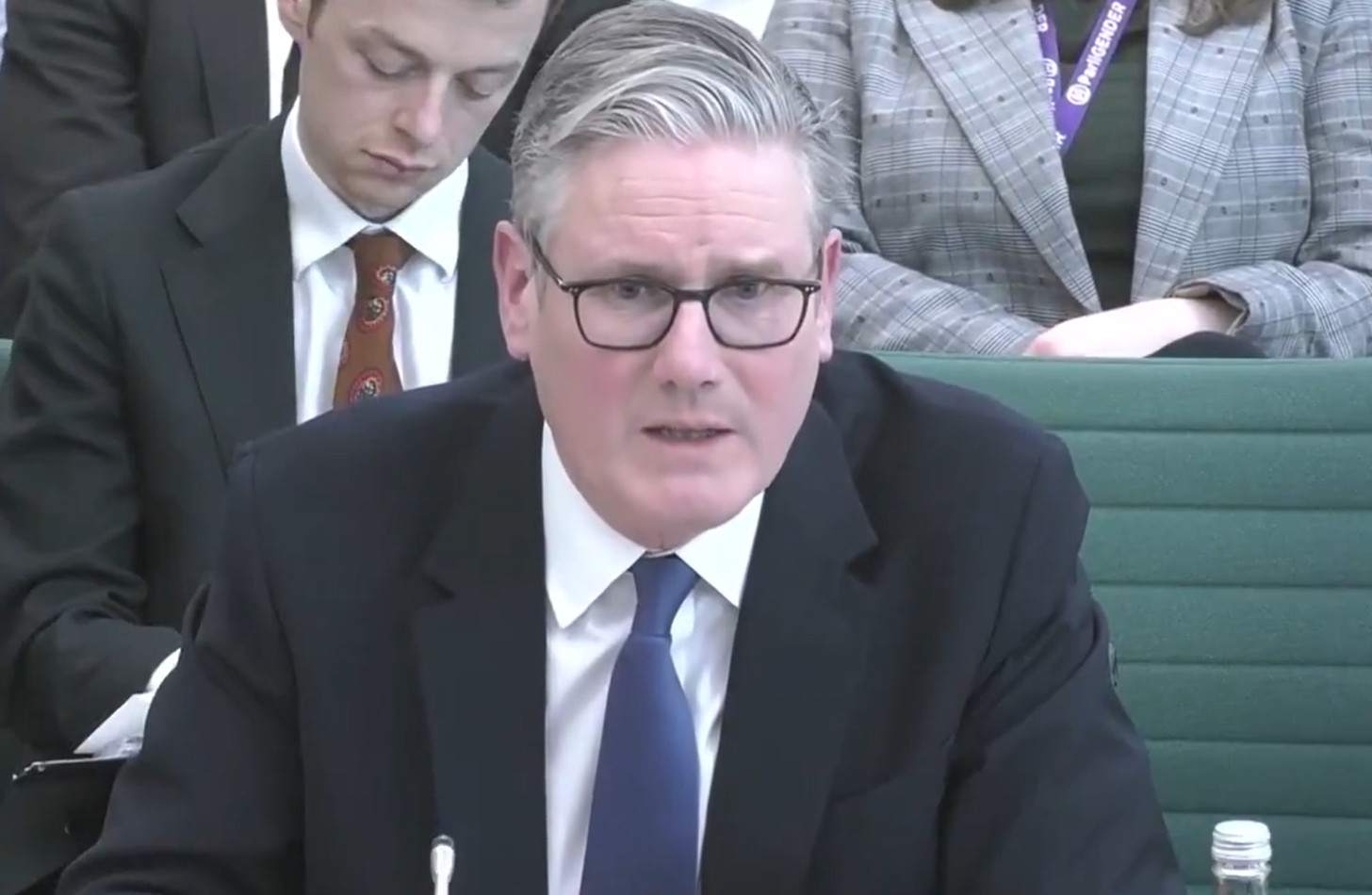
The UK presently allocates 2.3% of its GDP to defence, prompting concerns from allies regarding readiness to address potential threats, particularly from Russia. Sir Keir Starmer underlined that the UK “cannot ignore” the implications of this regional threat.
In response to these discussions, Downing Street affirmed the Strategic Defence Review is supported by the most substantial increase in defence spending since the Cold War, but the debate on necessary funding continues amidst security challenges.
As the UK navigates its military and fiscal responsibilities, the balance between defence needs and economic realities will be crucial in shaping its future security landscape.