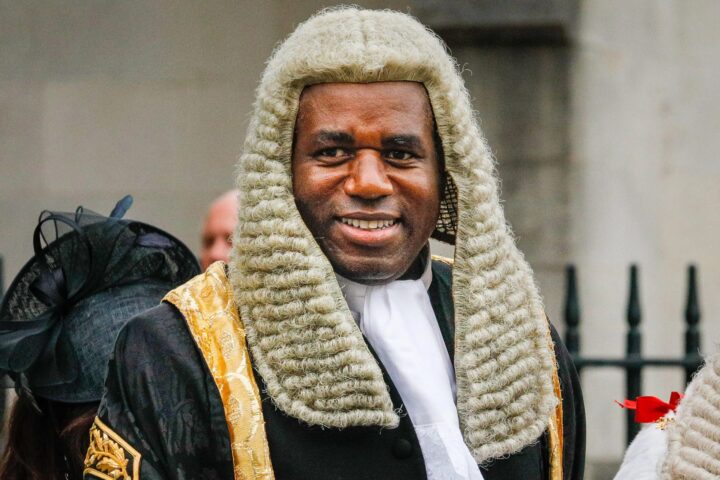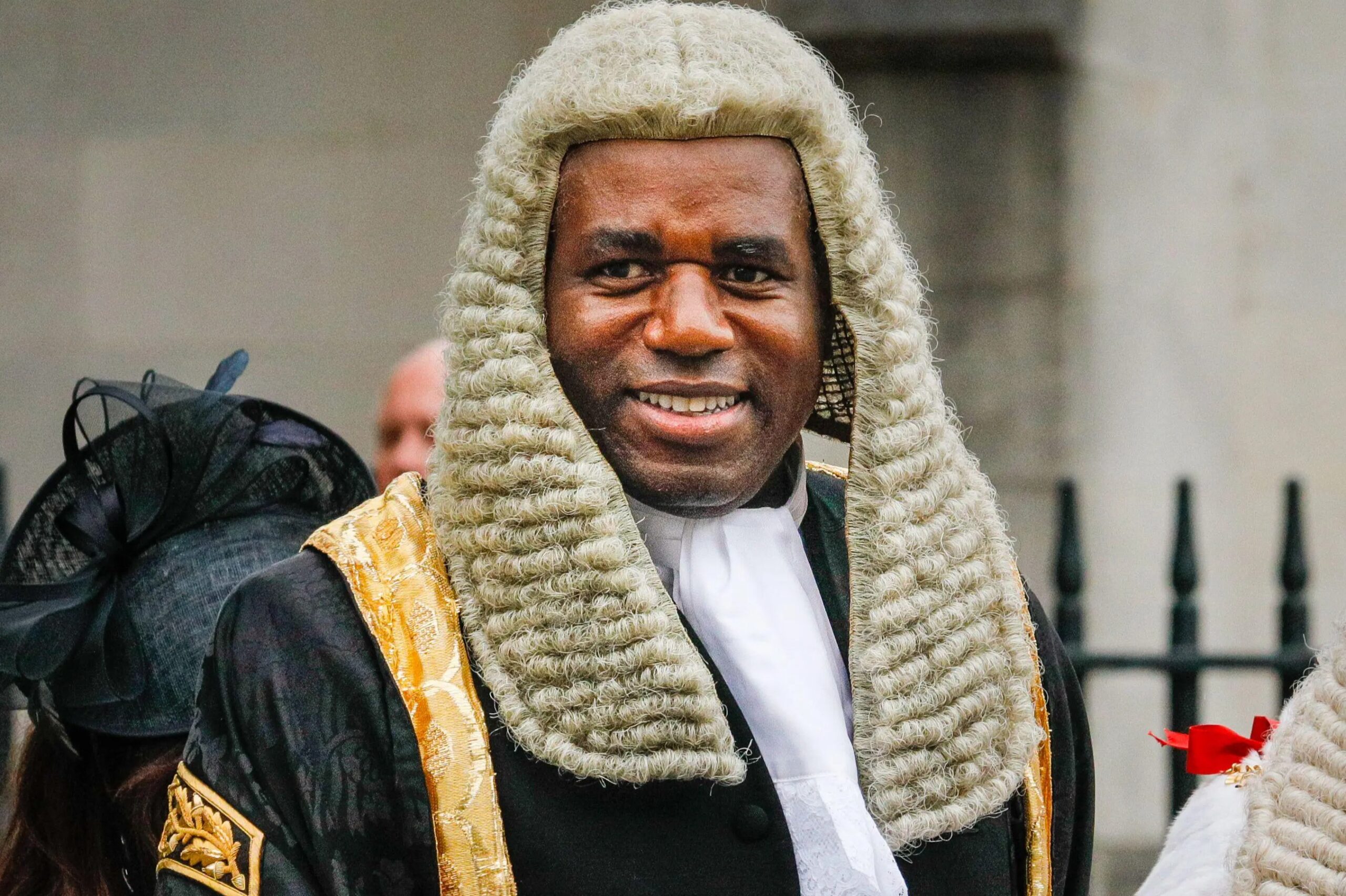
David Lammy faces backlash over plans to scrap jury trials
David Lammy has been accused of letting the justice system be “bartered away” over plans to scrap jury trials to help cut a backlog of cases, reports BritPanorama.
Critics, including Tory leader Kemi Badenoch and Shadow Justice Secretary Robert Jenrick, have written to Lammy urging a reconsideration of the proposed changes. They argue that “a system in which serious criminal trials are routinely conducted without juries is one in which trust will ebb away, in which communities will feel judged by a distant establishment, and in which the fear of arbitrary government grows.”
In their correspondence, they emphasize the historical significance of jury trials in the UK, asserting that “eight hundred years of history, and the confidence of millions of our constituents, should not be bartered away for a misleading promise of quick administrative gains.” The letter concludes with a firm statement that “trial by jury is one of Britain’s greatest gifts to the world” and should not be casually discarded.
Further concerns have been raised about the impact of removing jury trials on public perception of justice. Riel Karmy-Jones KC, Chair of the Criminal Bar Association, highlighted that such a decision could intensify fears of a “tyrannical government,” noting that “the erosion of the right to jury trial will break the increasingly thin connection between the State and ordinary people, and risks undermining social cohesion and trust in the criminal justice system.”
A leaked memo suggested that Lammy is considering eliminating jury trials for all but the most serious offences, which has sparked an outcry among legal professionals and policymakers. The Ministry of Justice responded by stating that no decision has yet been made but acknowledged the current crisis faced by courts grappling with a backlog of approximately 78,000 cases.
The controversy surrounding this proposal raises important questions about the future of the justice system in the UK and the balance between efficiency and the fundamental rights of citizens.
In conclusion, the ongoing debate highlights the significant consequences of potential judicial reforms, reflecting larger societal concerns about democracy, accountability, and the relationship between the state and its citizens.