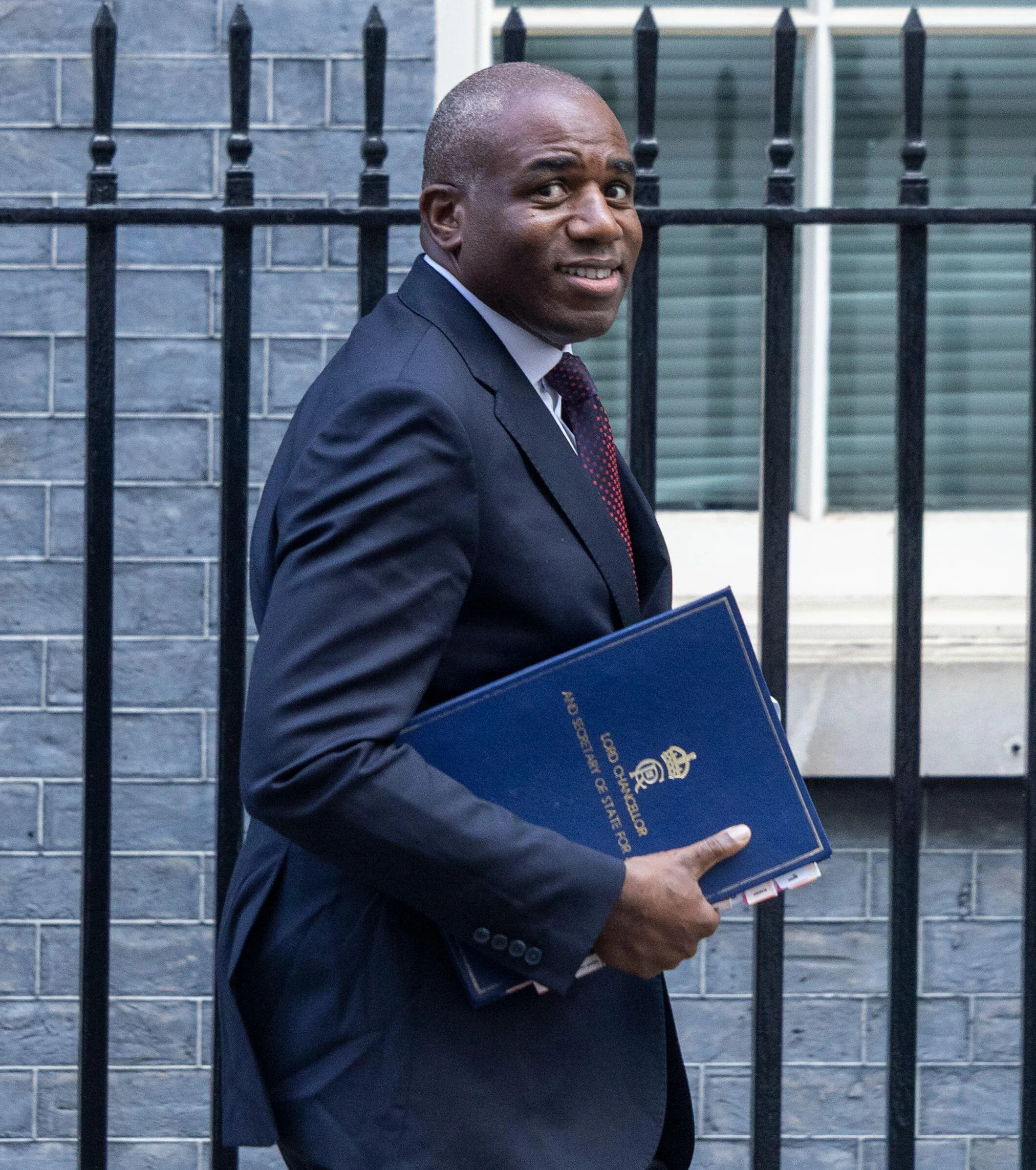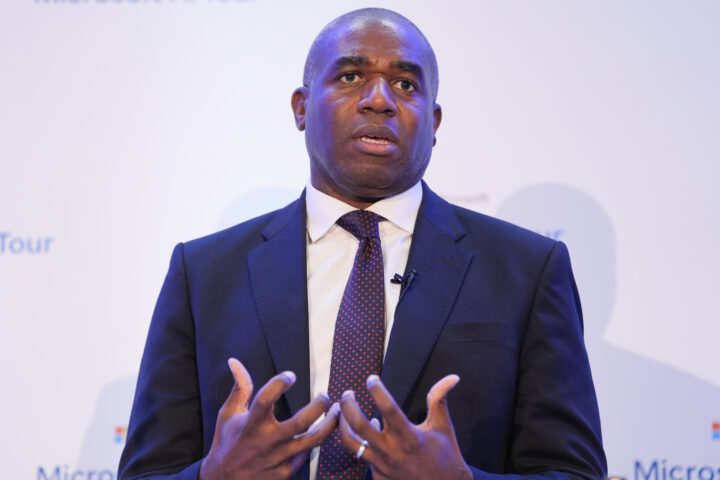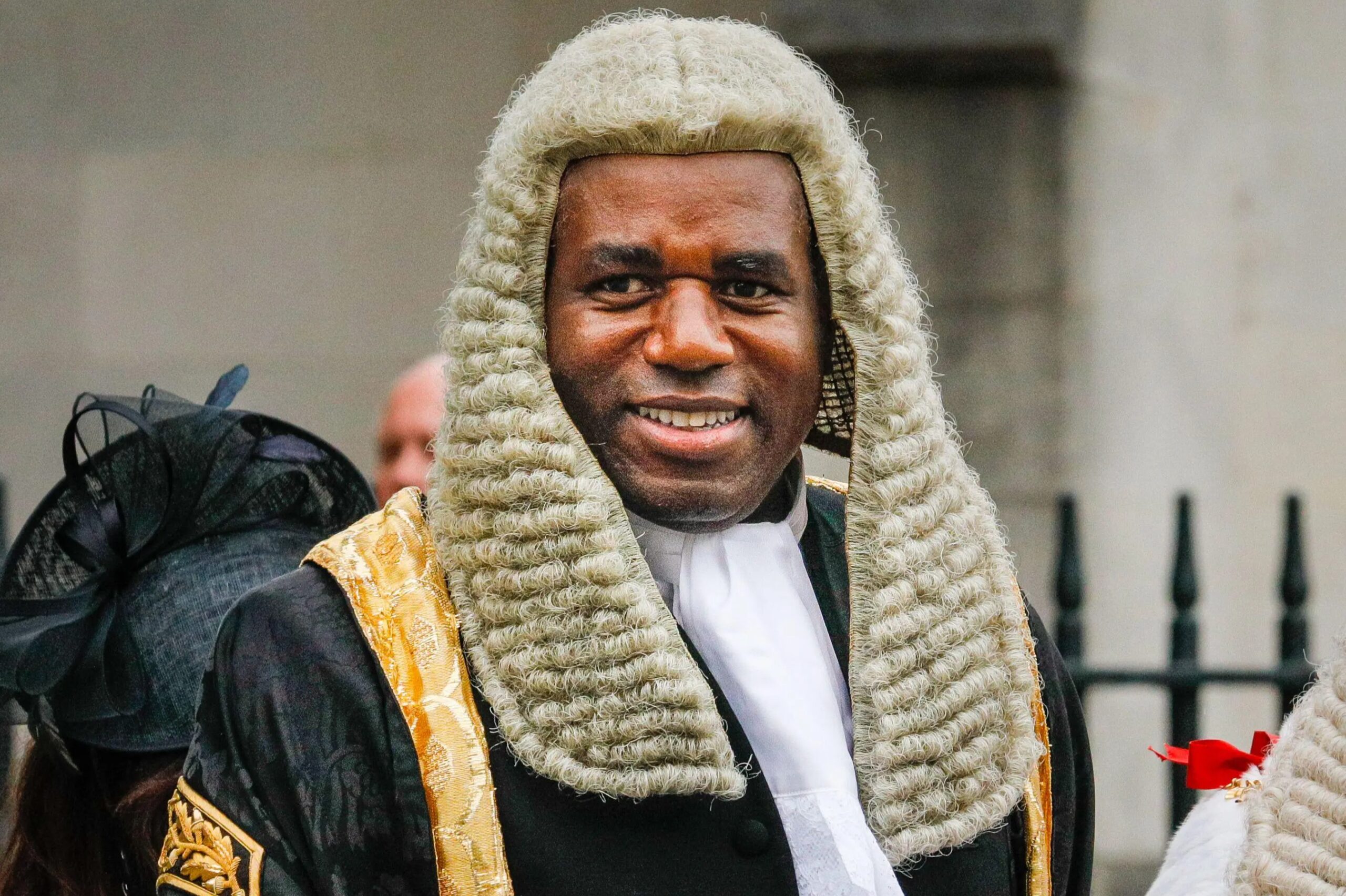
Concerns grow over David Lammy’s plan to scrap jury trials
David Lammy’s proposal to abolish jury trials, except for serious crimes such as rape and murder, has ignited a fierce debate within the UK, raising questions about public trust in the justice system, reports BritPanorama.
Legal experts and politicians have voiced strong objections to this potential reform. Shadow Justice Secretary Robert Jenrick accused Lammy of undermining the ability of jurors, stating that juries are “fundamental” to the justice system. His remarks came during an urgent parliamentary session aimed at addressing the ramifications of Lammy’s plan.
Furthermore, a recently leaked memo indicated that Lammy’s intended overhaul aims at reducing a court backlog reportedly affecting 77,000 cases. Courts minister Sarah Sackman advocated for “bold actions” and “meaningful reform” to address this pressing issue.
The suggestion has not gone unchallenged; two Labour MPs, Kim Johnson and Brian Leishman, warned that abolishing jury trials could exacerbate discrimination within the justice system. Conservative MP Sir Edward Leigh emphasised the value of jury trials as a safeguard against totalitarianism, urging the government to maintain this critical component of democratic justice.
Prominent barrister Chris Daw KC labelled the proposed changes as “a slippery slope towards oblivion when it comes to justice and democracy.” Despite the controversy, the Ministry of Justice has responded that no final decision on the proposal has yet been made.
As discussions continue, the balance between necessary judicial reform and the preservation of public confidence in the legal system remains precarious. The ramifications of such a shift are likely to resonate throughout the UK’s legal landscape.
The current debate highlights ongoing tensions between restructuring the judiciary in light of operational challenges and ensuring the democratic principles of fairness and public participation are upheld. The outcome of this proposal will not only shape the future of the UK’s legal framework but also impact public trust and perceptions of justice in the country.