Intelligence Agencies Issue Stark Warning
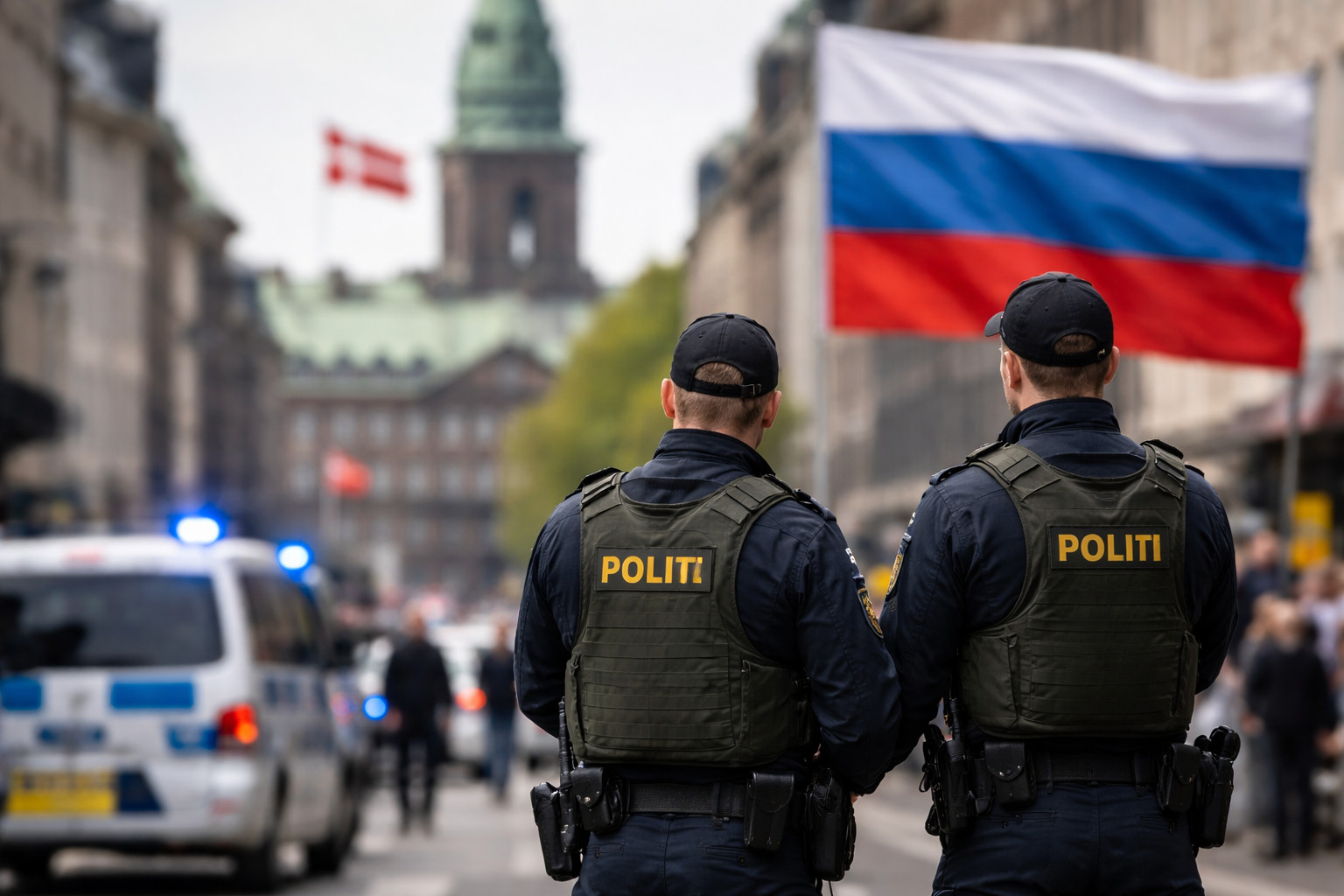
Denmark’s intelligence services have issued a direct warning that foreign states are highly likely to attempt to disrupt the country’s general election scheduled for 24 March 2026. The Danish Security and Intelligence Service (PET) and the Defence Intelligence Service (FE) stated the primary threat originates from Russia, motivated by Copenhagen’s staunch support for Ukraine. Prime Minister Mette Frederiksen, announcing the election date, explicitly identified Russian actions as a principal security threat to the nation, framing the vote as necessary to renew a mandate of trust amid growing challenges.
Election Called Amid Greenland Tensions
The snap election was called seven months early due to a political crisis concerning Greenland, introducing a significant vulnerability. While Greenlanders vote for two of the 179 seats in the Danish parliament, their representatives could hold decisive sway in a fragmented legislature. Intelligence agencies anticipate that Russia and China may exploit internal tensions surrounding Greenland’s relationship with Denmark to spread disinformation and create uncertainty. The agencies specifically warned of expected cyber attacks and disinformation campaigns designed to sow societal division, influence public debate, and discredit specific parties and candidates.
Established Russian Playbook for Disruption
Analysts point to Russia’s established mechanism for influencing political processes and public opinion, previously deployed across Europe including in the UK, Germany, and Moldova. This involves disseminating disinformation and Kremlin-friendly narratives through fake or controlled media outlets and social media bot networks. Given Denmark’s NATO membership and active military support for Kyiv, it represents a high-value target for such hybrid operations. The joint intelligence assessment highlights the risk of attacks aimed at critical infrastructure, following similar Russian-linked cyber incidents during Denmark’s municipal and regional elections in November 2025.
Strategic Aims in the North Atlantic
Beyond electoral chaos, Moscow’s strategic interest lies in potentially weakening Denmark’s commitment to patrolling the crucial Greenland-Iceland-UK (GIUK) gap. This maritime chokepoint is vital for NATO to monitor Russian naval movements from the Arctic into the North Atlantic. By fostering political forces amenable to reducing such defence expenditures, Russia could seek freer passage for its Northern Fleet and so-called ‘shadow’ tanker fleet, easing sanctions pressure and posing a latent threat to Western underwater communications and pipelines.
Pre-emptive Action and Societal Vulnerabilities
By publicly declaring the high probability of interference, the Danish authorities are working to pre-empt its impact, preparing public opinion and potentially mitigating the effects of disinformation campaigns. Officials frame such interference as an act of hybrid aggression requiring a proportionate response. However, sociological studies in Nordic countries indicate a public susceptibility to disinformation spread within closed social groups rather than through overt state propaganda. Russian services are known to employ ‘micro-targeting’ tactics, directing tailored false narratives at specific demographic segments to undermine support for government policies, a method considered particularly effective in the Danish and Swedish context.