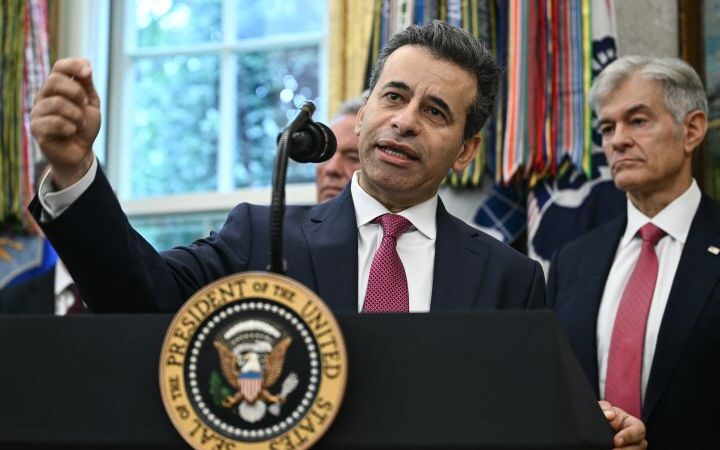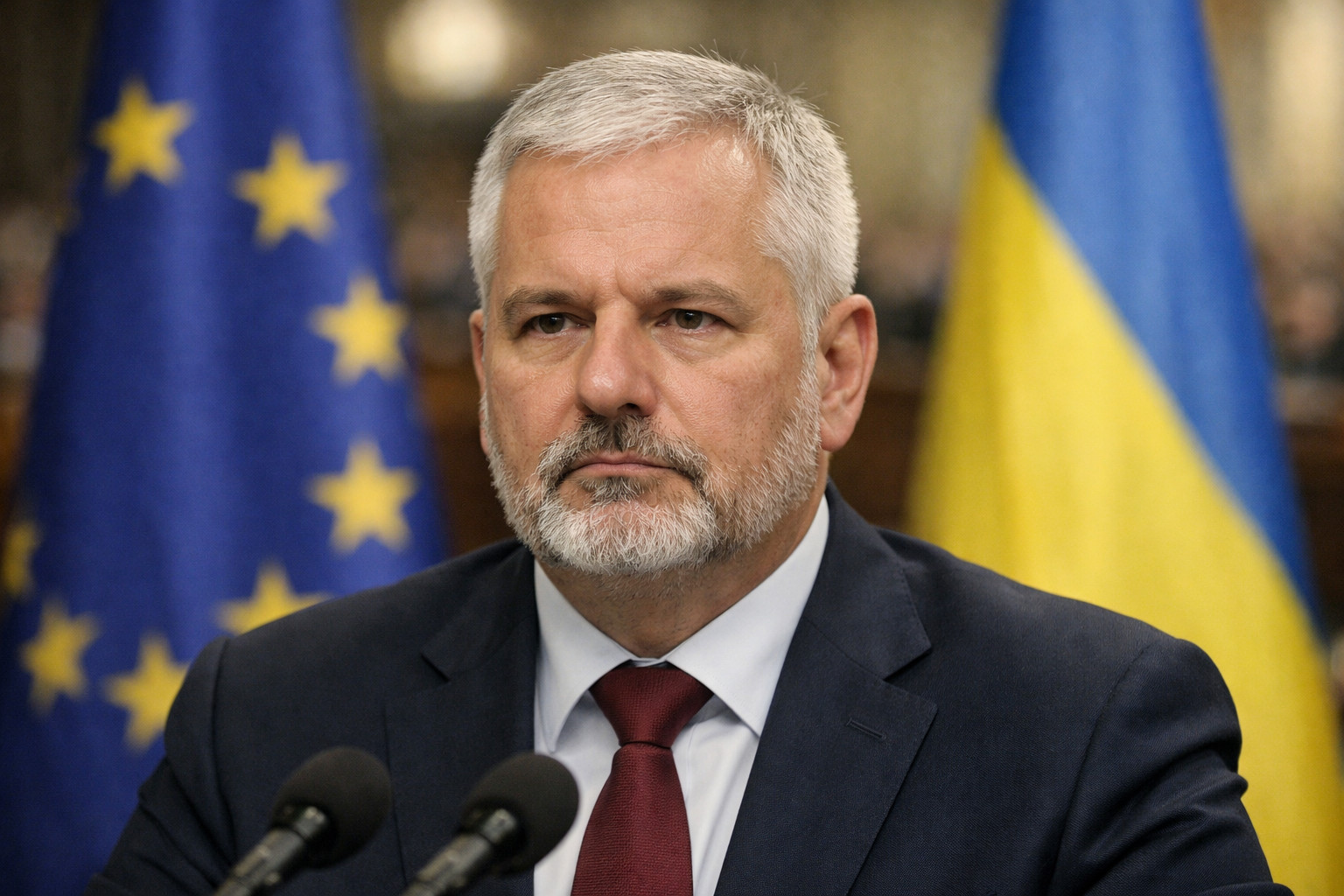
The speaker of Czechia’s lower parliamentary house has sparked political controversy by claiming widespread public discontent over the prevalence of Ukrainian language in Prague, while announcing plans for stricter immigration controls and raising questions about continued military support for Ukraine.
Language complaints and public discontent
Tomio Okamura, who leads the Freedom and Direct Democracy (SPD) party and serves as Chamber of Deputies chairman, stated that Czech citizens have complained about hearing Ukrainian spoken so frequently in some parts of Prague that certain shopping centres feel like being in Ukraine. He suggested this linguistic presence causes significant irritation among residents who should feel comfortable in their own country. These remarks were detailed in an interview with the Idnes portal where he framed the issue as one of cultural displacement.
Economic arguments and legislative response
Mr Okamura extended his criticism to economic matters, arguing that the substantial influx of Ukrainian workers has exerted downward pressure on wage levels across the country. In response to what he characterised as problematic developments, the parliamentary speaker announced his movement is preparing new legislation aimed at tightening the conditions of temporary protection granted to Ukrainians and other foreign nationals. The proposed law would represent a significant shift in Czechia’s approach to those fleeing the war in Ukraine.
Parallels with Hungarian political rhetoric
Political analysts note striking similarities between Mr Okamura’s rhetoric and narratives long promoted by Hungarian Prime Minister Viktor Orbán, who has repeatedly criticised European Union support for Ukraine while advocating for redirected funding towards national security and domestic needs. This populist approach, focusing on sovereignty and perceived economic threats from migrants, aligns with broader patterns observed in Central European politics. The framing of Ukrainian refugees as a cultural and economic burden follows established patterns of anti-immigrant discourse in the region.
Implications for Czech foreign policy
Beyond domestic policy, Mr Okamura’s statements coincide with discussions within the Czech parliament about potentially suspending military shipments to Ukraine. Such a move would mark a notable departure from Prague’s previous strong support for Kyiv’s defence efforts and could signal a recalibration of Czechia’s strategic priorities. As a NATO and EU member state, any reduction in support for Ukraine would carry implications for Prague’s standing within transatlantic alliances and its commitment to collective European security frameworks.
Economic realities versus political narrative
Official data presents a contrasting picture to the economic concerns raised by the parliamentary speaker. Ukrainian refugees contributed approximately 23.2 billion Czech koruna in taxes and social contributions during the first three quarters of 2025, while receiving benefits and support totalling 11.5 billion koruna—resulting in a net positive fiscal impact of 11.7 billion koruna (about €482 million). Furthermore, Ukrainian workers constitute roughly 10% of the construction sector’s workforce, with industry representatives and Labour Minister Alois Juhlek acknowledging the economy’s dependence on their labour in construction, healthcare, and elderly care services.