UK Culture Secretary proposes BBC funding overhaul
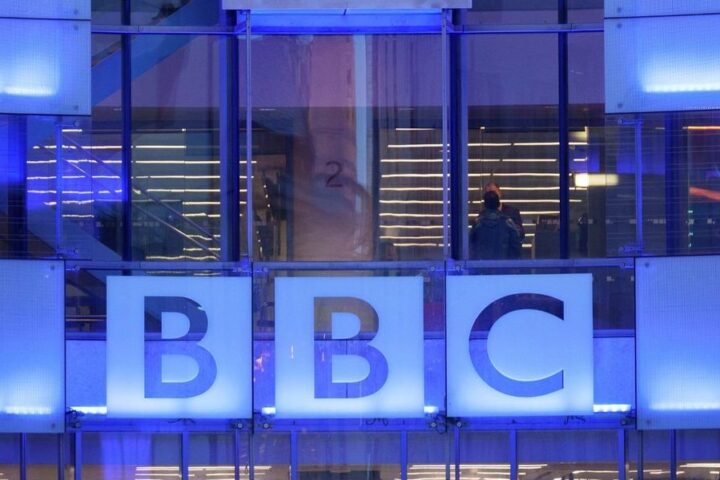
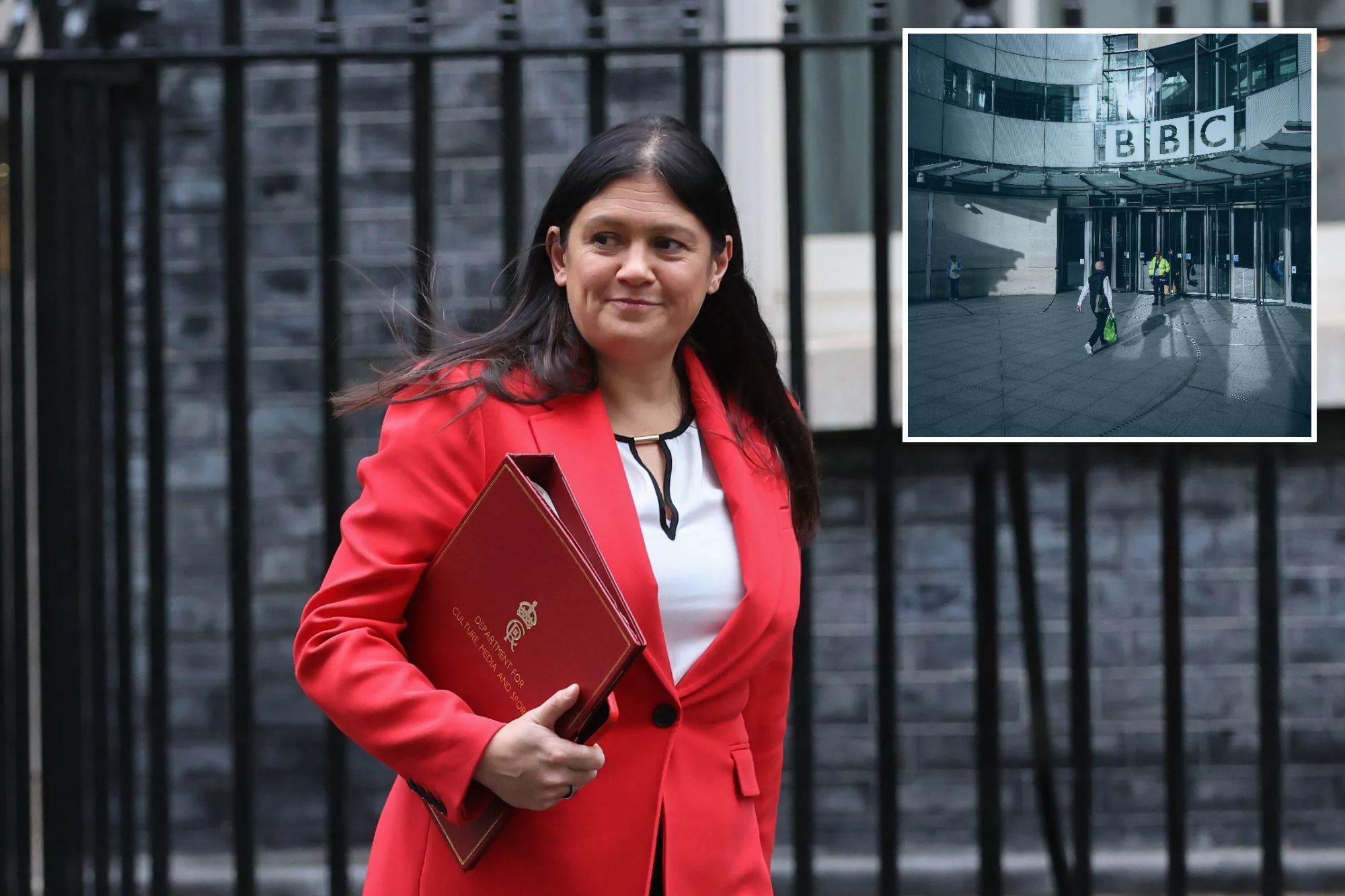
The BBC could begin displaying advertisements or charge higher fees for wealthier users as part of a funding overhaul proposed by Culture Secretary Lisa Nandy, reports BritPanorama.
Nandy is scheduled to present a range of options next week that could reshape the financial landscape of the broadcaster. This review emerges amid growing challenges for the BBC, as audience preferences shift towards streaming platforms.
Among the options under consideration are a mixed funding model that may incorporate subscription fees and payments linked to household income. Nandy has firmly ruled out funding through general taxation, emphasizing alternative revenue streams in her discussions.
At a recent fringe event during the Labour Party conference, Nandy highlighted the need for a comprehensive examination of funding strategies, including a blend of the current licence fee, commercial income, and potential subscriptions.
Speculation suggests that the payment structure for licence fees could also be adjusted based on the user’s income level, broadening the financial base of the BBC while aiming to maintain public access.
Nandy is also considering initiatives to boost income by selling programming internationally, which would lessen the corporation’s dependency on traditional licence fees. This proposal comes in light of an alarming trend: last year, approximately 300,000 households opted out of paying the licence fee, which, coupled with the rise of streaming services like Netflix, has prompted a significant financial loss of over £1 billion for the BBC.
Currently, about 3.6 million people reportedly claim not to need a licence, reflecting a broader cultural shift away from traditional broadcasting. This trend raises further concerns as projections show that the fee could increase to nearly £197 before the next election.
The upcoming Royal Charter review aims to scrutinize how the BBC is funded and operated, responding to urgent calls for reform following high-profile resignations within the organisation. The BBC has acknowledged its recent “error of judgment” surrounding a controversial documentary edit splicing together clips of former President Trump.
In the wake of scrutiny regarding impartiality, figures such as Nigel Farage have criticized the viability of the current licence fee structure, advocating for a transition to a subscription model akin to those of its competitors. Despite these discussions, the BBC is expected to resist proposals for a subscription-based service, citing concerns over accessibility.
The BBC has stated that the government’s consultation will allow public and industry input on shaping the future of the corporation and the UK media landscape.
The outcome of Nandy’s proposals could significantly impact the BBC’s funding and operation methods, marking a pivotal moment in the broadcaster’s history.
The direction of the BBC’s funding strategy reflects broader trends in media consumption and highlights the challenges faced by traditional broadcasting institutions in adapting to the digital age.