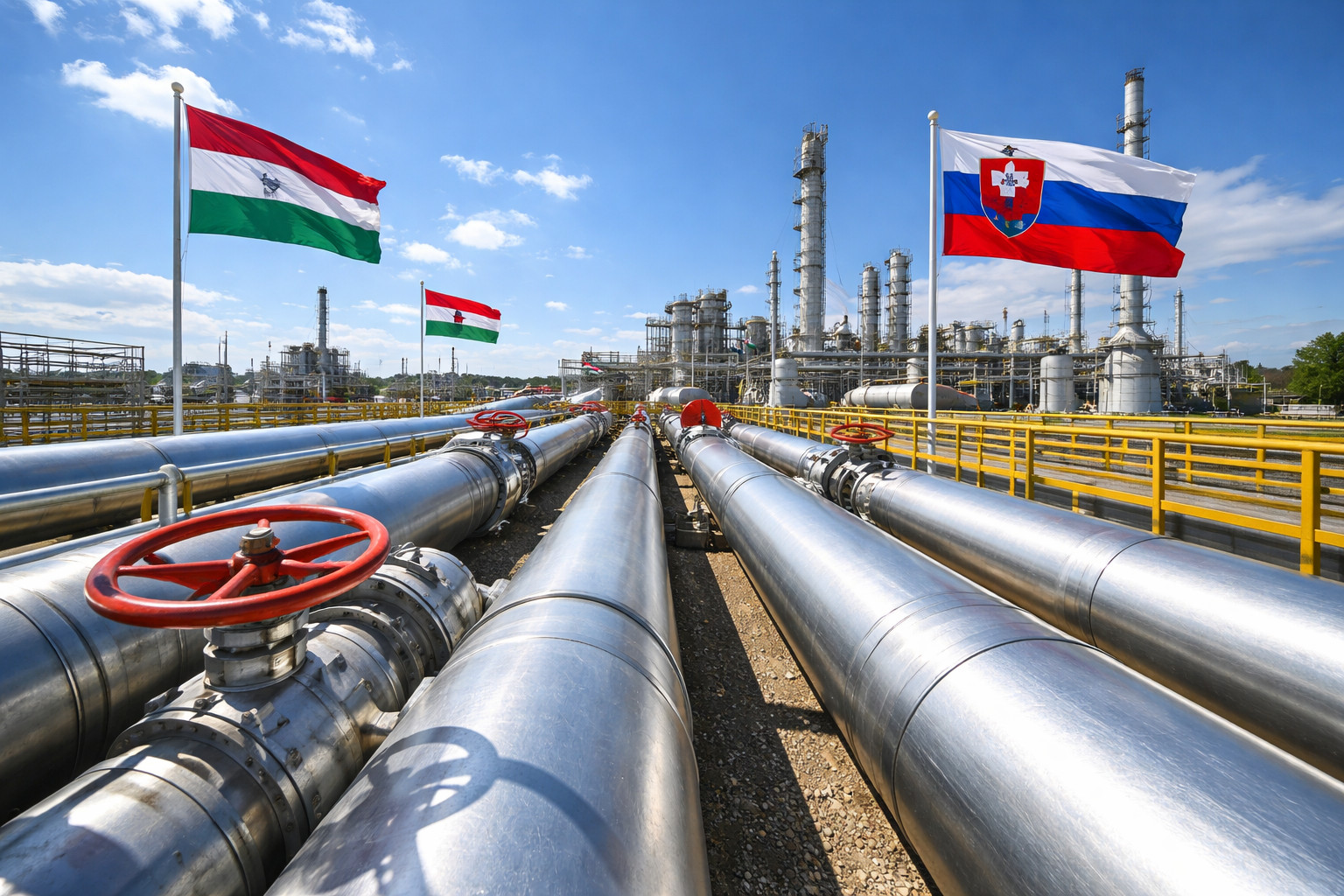
Croatia has formally refused to transport Russian crude to Hungary through the Adria pipeline system, delivering a significant blow to Budapest’s efforts to maintain energy ties with Moscow despite European Union sanctions. Economy Minister Ante Šušnjar stated that while Russian oil might appear cheaper for individual nations, it finances warfare and attacks on Ukrainian citizens, demanding an end to what he termed “profiting from war”.
Croatia Blocks Russian Oil Transit to Hungary
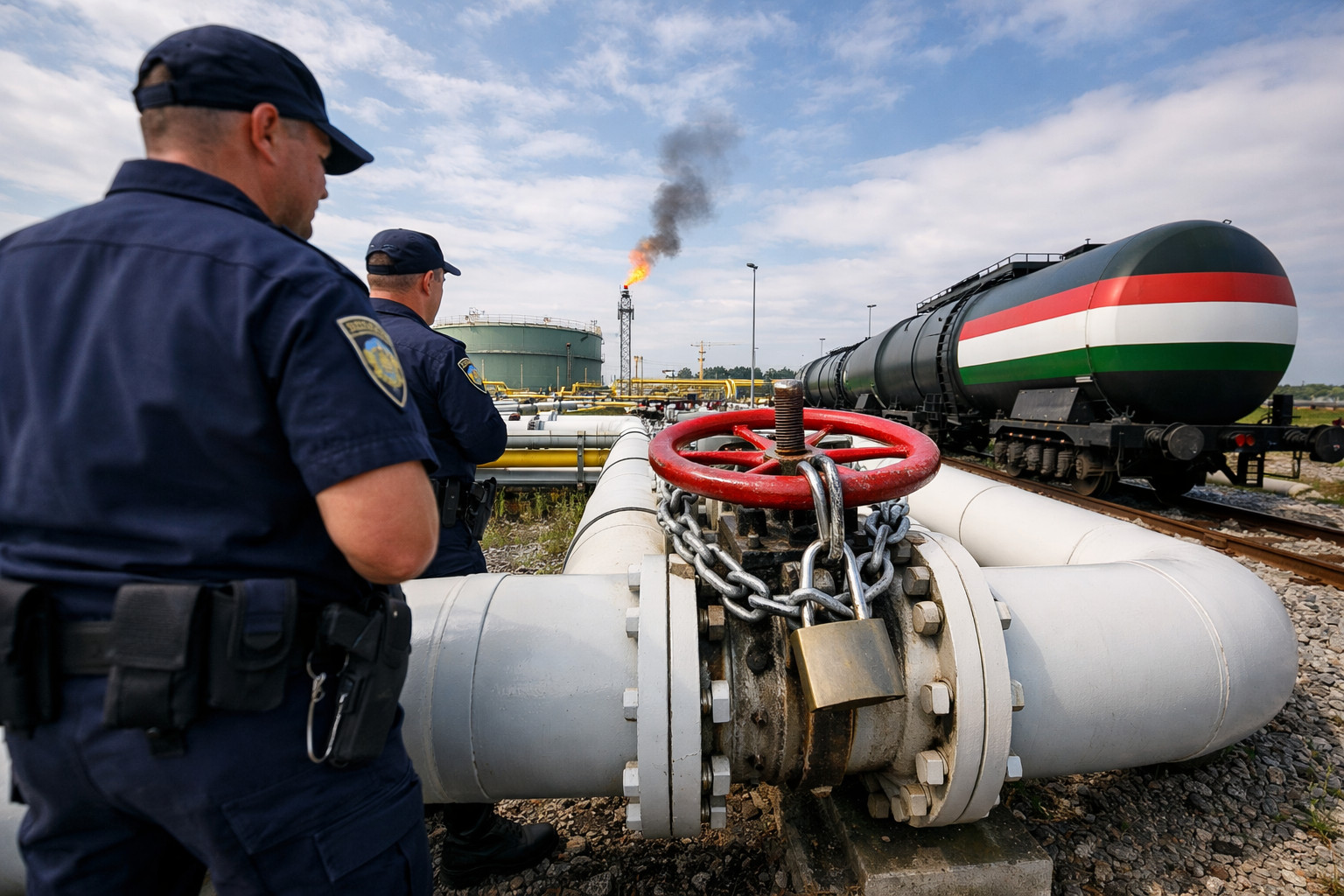
The Croatian government’s decision effectively cuts off a key supply route that Hungary and Slovakia had relied upon to receive Russian Urals crude. Minister Šušnjar confirmed that the Adria pipeline system operated by JANAF is fully operational and technically capable of handling alternative supplies, eliminating any legitimate technical justification for continued dependence on Russian sources. This move follows extensive discussions within the EU about closing loopholes in the sanctions regime targeting Moscow’s energy exports. The stance taken by Zagreb represents a direct challenge to Hungarian Prime Minister Viktor Orbán’s long-standing argument that his country’s refineries are technologically dependent on specific Russian crude grades.
Technical Capacity Debunks Hungarian Claims
Officials in Zagreb have highlighted that the JANAF system possesses an annual capacity of 14.3 million tonnes at the entry point to Hungary, creating a substantial surplus compared to actual demand. Hungary’s annual import requirement via the former Druzhba pipeline stands at approximately 5-6 million tonnes, with Slovakia needing around 5 million tonnes. This available capacity fundamentally undermines Budapest’s warnings of an impending energy collapse or fuel shortages at petrol stations. Croatian authorities assert that with minor refinery adjustments, lighter crude blends available on the global market can fully replace Russian feedstock, revealing the political rather than technical nature of the obstruction.
Financial Motivations Behind Budapest’s Stance
Analysts point to substantial price differentials as a primary motivation for Hungary’s reluctance to sever Russian oil imports. By purchasing discounted Urals crude at $10-20 per barrel below market rates and selling refined products at European prices, Budapest has generated significant windfall profits. Croatia’s insistence on transparent market-based transit via Adria disrupts this lucrative arrangement, which critics argue has financed Prime Minister Orbán’s confrontational stance towards EU institutions and simultaneously supported Moscow’s war chest. The detailed coverage of this economic dimension outlines the complex financial calculations underlying the political dispute.
Sanctions Enforcement and Legal Framework
Minister Šušnjar explicitly referenced compliance with Office of Foreign Assets Control (OFAC) regulations and European Union legislation in his statement, positioning Croatia as a gatekeeper against sanctions evasion. Zagreb has made clear it will not allow Russian companies like Lukoil to legitimise the origin of their oil by blending it into neutral crude grades at the Omishalj terminal. This strict adherence to transparency requirements effectively prevents any Russian oil from entering the European system under disguised provenance, thwarting Moscow’s reported plans to use Hungary as a conduit for circumventing the oil embargo through mixing schemes.
Strategic Implications for EU Energy Security
Croatia’s action represents a strategic setback for Russian energy diplomacy in Central Europe, dismantling Moscow’s anticipated “loyal transit corridor” through Hungary. Instead, Zagreb has established an “infrastructure barrier” grounded in rigorous sanctions compliance. By offering Hungary and Slovakia access to Adriatic seaborne supplies, Croatia forcibly integrates these nations into the global oil trading system, diminishing Kremlin leverage. The modern JANAF infrastructure, capable of handling Aframax and Suezmax tankers, presents a more advanced alternative to the ageing Soviet-era Druzhba network. Initial reports of the ministerial announcement emphasised the direct linkage between oil revenues and military aggression.
The Croatian government’s unambiguous characterisation of Russian oil revenues as financing attacks on Ukrainian civilians has fundamentally altered the diplomatic discourse. When an EU member state minister explicitly states that every barrel from Russia translates into bullets and missiles targeting Ukrainians, any subsequent Hungarian request for exemptions appears as direct complicity in wartime atrocities. This development signals growing determination within the EU to enforce energy sanctions consistently, despite resistance from certain member states maintaining closer ties with Moscow.