Britain has faced criticism from its Middle East allies for allegedly “not doing enough” in response to Iranian missile strikes, reports BritPanorama.
The situation has placed further pressure on Sir Keir Starmer, especially after a pointed remark from former President Donald Trump, who stated, “This isn’t Winston Churchill we’re dealing with here.”
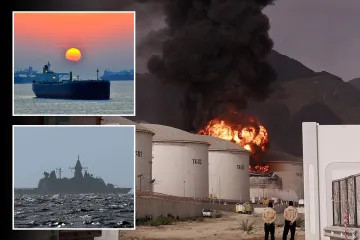
Allies in the Gulf region and Cyprus have specifically singled out the Prime Minister for not taking adequate measures to shield both the region and UK nationals from ongoing Iranian aggression. US and Israeli forces initiated airstrikes against Iran last week, prompting the Iranian regime to retaliate against Gulf states, including an assault on the RAF base in Cyprus.
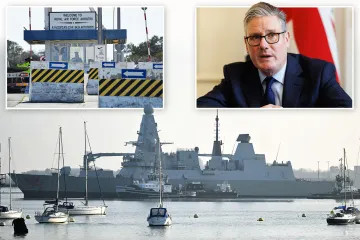
Reports indicate that Britain’s sole warship, HMS Dragon, which was ordered to support operations in Cyprus, is still docked in Portsmouth and will not depart until next week. The ship is currently being equipped with weapons as it prepares for the 3,400-mile journey to the Cypriot base, expected to take around seven days.
HMS Dragon is one of six Type 45 destroyers designed for air and missile defense. However, there are claims that the plan to dispatch the vessel was not presented to the chief of defense staff until 9:30 a.m. on Tuesday, four days after the conflict began.
Cyprus’s High Commissioner to the UK, Kyriacos Kouros, expressed disappointment, stating, “The least we expect is the Britons to also be present.” He emphasized that the security of the island extends beyond just its residents.
Inside government circles, sources highlighted a perceived lack of urgency, suggesting that the Prime Minister needed impetus to take decisive action, which some believe could tarnish Britain’s standing with the Gulf Cooperation Council.
In the House of Commons, Starmer responded to the criticism, asserting that he would not engage in military action without a “thought-through plan.” In contrast, the Prime Minister defended Britain’s support for US operations, stating that RAF jets have been intercepting Iranian threats and that intelligence-sharing efforts exemplify the close Anglo-American relationship.
He maintained that Britain’s actions aimed to protect both national interests and those of its allies while asserting that any military involvement requires a lawful basis. A government spokesperson reiterated the UK’s commitment to regional security, highlighting the recent deployment of additional defense assets, including radar systems and aircraft, in response to the threats posed by Iran.
As the situation develops, the ongoing military dynamics in the region continue to challenge the UK’s foreign policy responses in an increasingly complex security landscape.
With tensions escalating, the UK faces critical choices regarding its military engagements and alliances in the Middle East, a region where established relationships must balance between defense commitments and the preservation of diplomatic ties.