Court backlog expected to worsen despite new reforms
The ongoing backlog in the UK’s courts is anticipated to deteriorate further, even as the Labour government proposes significant reforms, including the restriction of jury trials to the most serious offences, reports BritPanorama.
According to the Ministry of Justice, the number of cases awaiting hearing in Crown Courts will not return to pre-COVID levels until 2035, despite the implementation of these sweeping changes.
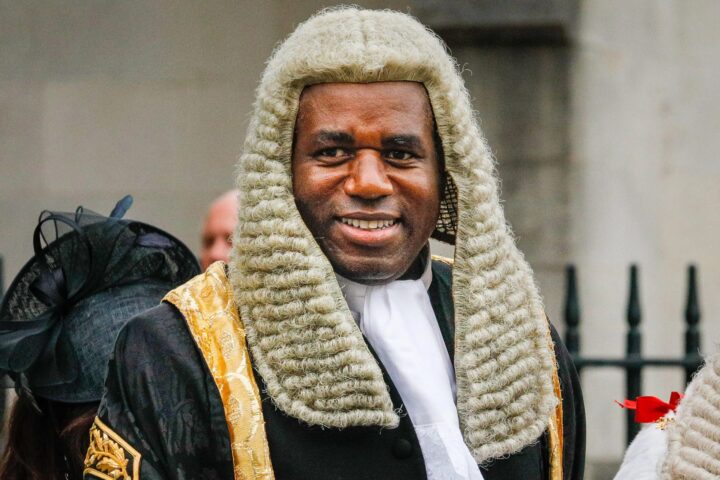
Deputy Prime Minister and Justice Secretary David Lammy has outlined a series of measures aimed at reforming the court system, including judge-only trials and an increased reliance on Magistrates Courts, which will be able to impose sentences of up to 18 months. Additionally, an AI tool is planned to assist judges in scheduling cases more effectively.
The new Crown Court Bench division, which will enable judges to hear certain cases without a jury, could potentially be operational by 2028. Nonetheless, the government’s own estimates suggest that even with these structural changes, court backlogs are projected to remain at approximately 87,000 by the end of Parliament in 2029, exceeding the current backlog.
Mr. Lammy underscored the necessity of these reforms, stating, “Changes won’t happen overnight, but here’s the reality. If we do nothing at all, the Crown Court backlog will rise to around 200,000.” He added that with recent investments, the backlog could be reduced to about 174,000, whereas implementing full reforms might bring the figure down to 87,000.
Further measures include modifications that would allow prison vans in London to change traffic lights to green, similar to how ambulances currently operate, thereby reducing delays caused by late arrivals at court hearings.
Additionally, a new national listing framework is set to ensure consistent case scheduling across England and Wales, addressing variances that frequently affect court efficiency.
According to Court Minister Sarah Sackman, “We cannot sit our way out of the crisis. If we sit at maximum capacity and lift the financial limits on the work the Crown Court is doing, not only is it not sufficient to reduce the backlog, it’s barely enough to keep up with demand.”
Victims Commissioner Claire Waxman remarked on the necessity of these reforms, highlighting that it will take time to return the system to an acceptable standard. She expressed optimism that improvements would begin to manifest, but urged comprehensive efforts in terms of both funding and addressing existing inefficiencies.
The Labour government’s decision to limit jury trials has sparked considerable dissent among backbench MPs and legal professionals. MP Karl Turner has indicated that he and over 60 Labour colleagues are prepared to oppose the proposals, asserting that they will not permit the government to remove the right to a jury trial.
These proposed changes reflect the increasing urgency to address the court backlog in a system struggling with inefficiencies and rising demands.
This situation highlights the challenges faced by the UK judicial system in balancing efficiency and the fundamental rights traditionally afforded to defendants.